Can Bad Ball Joints Cause Uneven Tire Wear? [3 Key SYMPTOMS]
Can Bad Ball Joints Cause Uneven Tire Wear?

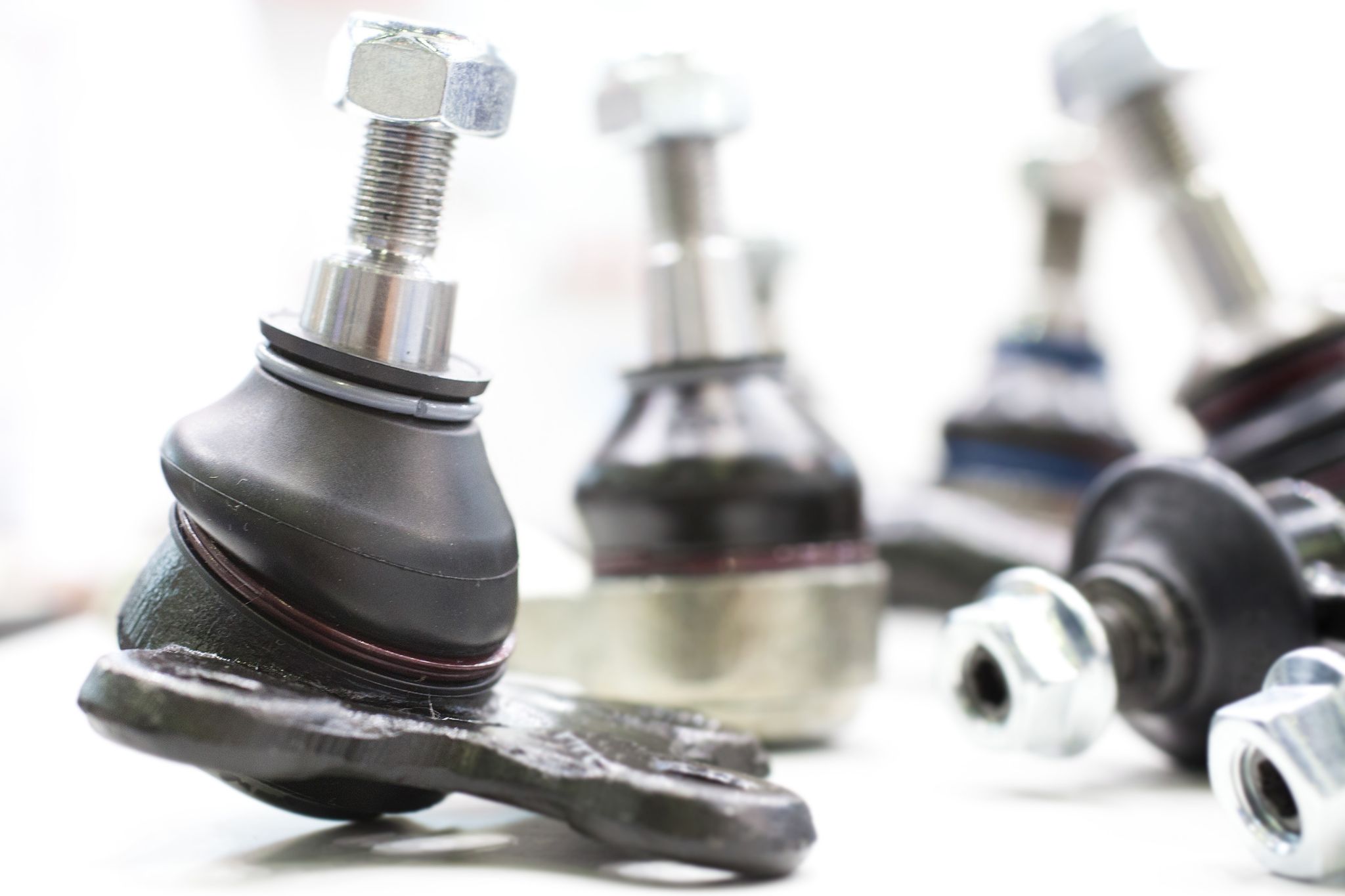
When it comes to car maintenance and repair, many vehicle owners don’t realize how important ball joints are. Without them, a car’s suspension would not be able to absorb bumps in the road properly, leading to uncomfortable rides and excessive tire wear. But, can bad ball joints cause uneven tire wear? It is possible that bad ball joints can lead to uneven tire wear. As the ball joint wears down, it affects the ability of the suspension system to function normally, resulting in unequal weight distribution across the tires. This can cause uneven wear on certain spots of the tire and affect overall handling performance. Can Bad Ball Joints Cause Uneven Tire Wear? Uneven tire wear is a common problem that multiple factors can cause, and bad ball joints can certainly be one of them. When ball joints become worn out due to age, road conditions, or lack of maintenance, it can lead to uneven weight distribution across the tires, resulting in unwanted wear and tear. Aside from uneven tire wear, failing ball joints also cause numerous other problems. For example, you may hear a loud clunking sound coming from underneath your vehicle when driving or turning corners. You may also notice vibrations through the steering wheel or find it difficult to control your vehicle’s direction. Therefore, it is important to get regular inspections done to identify any issues before they worsen. If the ball joint is causing uneven tire wear on your car, it needs to be addressed immediately, as this could put your safety at risk. The best way to do this is to have a professional mechanic inspect and replace these components as required. To ensure that there are no further issues related to bad ball joints and uneven tire wear, ensure you keep up with regular maintenance checks on all car components. In addition to bad ball joints, other potential causes of uneven tire wear include poor alignment, underinflated tires, and unbalanced wheels. Therefore, vehicle owners need to check their tires regularly for signs of abnormal wear and tear so that they can take corrective measures accordingly if needed. Also Read: Can a Bad Wheel Bearing Cause Uneven Tire Wear [Know EVERYTHING!] Symptoms of Bad Ball Joints Regarding car maintenance, having a faulty ball joint can spell trouble. Not only does it put your safety at risk, but it can lead to other problems, such as uneven tire wear. But how do you know if the ball joints on your vehicle are bad? Here are some of the common symptoms that you should be aware of. One of the more obvious signs is a loud clunking noise from underneath the vehicle when driving or turning corners. This is usually caused by worn ball joints unable to properly support the suspension components, resulting in rattling and other odd noises. You may also notice vibrations coming through the steering wheel, indicating that something isn’t quite right with your suspension system. Bad ball joints can also cause unnecessary tire wear due to unequal weight distribution across the tires. If any area of the tire is getting more pressure than the rest, it could show signs of excessive wear and tear over time. It’s important to keep an eye out for these issues as they could indicate a problem with your ball joints or other suspension components. Is it Dangerous to Drive with a Bad Ball Joint? Car owners should always be aware of their vehicle’s ball joints‘ condition as they play an essential role in connecting the suspension system. Having a faulty ball joint can not only lead to further problems but can also put your safety at risk. So is it really dangerous to drive with a bad ball joint? The answer is yes. One of the more obvious signs of bad ball joints is a loud clunking noise from underneath the vehicle when driving or turning corners. This usually indicates that the components cannot properly support the suspension, resulting in rattling and other odd noises. In addition, bad ball joints can cause uneven tire wear due to unequal weight distribution across tires. This makes controlling your vehicle’s direction difficult and increases the chances of suddenly losing control while driving – making it dangerous for you and everyone around you on the road. Can Bad Ball Joints Cause Tire Wear? Car owners should always be aware of their vehicle’s ball joints’ condition as they play an essential role in connecting the suspension system. Having a faulty ball joint can not only lead to further problems but can also cause premature tire wear. So can bad ball joints cause premature tire wear? The answer is yes. One of the more obvious signs of bad ball joints is a loud clunking noise from underneath the vehicle when driving or turning corners. This usually indicates that the components cannot properly support the suspension, resulting in rattling and other odd noises. Aside from this, vibrations coming through the steering wheel could signal an issue with your ball joint or other parts of your car’s suspension system. Bad ball joints can also cause uneven tire wear due to unequal weight distribution across tires. If any area of the tire is getting more pressure than the rest, it could show signs of excessive wear and tear over time if left unchecked. Can Bad Ball Joints Cause Tire Cupping? Car owners should always be aware of their vehicle’s ball joints’ condition as they play an essential role in connecting the suspension system. Having a faulty ball joint can not only lead to further problems but can also cause tire cupping. So can bad ball joints cause tire cupping? The answer is yes. One of the more obvious signs of bad ball joints is a loud clunking noise from underneath the vehicle when driving or turning corners. This usually indicates that the components cannot properly support the suspension, resulting in rattling and other odd noises. Bad ball joints can also lead to uneven tire wear … Read more
Can Uneven Tire Wear Cause Vibration? [A MUST Read!]

Can Uneven Tire Wear Cause Vibration?

Can uneven tire wear cause vibration? Well, tires are an integral part of any vehicle, and it is essential to maintain them regularly to ensure safety. One common issue with tires is vibration, which can have a variety of causes, including uneven tire wear. What’s more, this problem can be challenging to diagnose, as it can affect the steering and braking of your vehicle. All these factors highlight the importance of understanding whether uneven tire wear can cause vibration and, if so, what steps you should take to reduce or prevent it. This article will explore the question “can uneven tire wear cause vibration?” by looking into how vibration can be caused by worn Also Read: Can a Cracked Rim Cause Vibration [3 Signs To Look Out For]  Can Uneven Tire Wear Cause Vibration The answer to the question “can uneven tire wear cause vibration?” is yes. Uneven tire wear can lead to some issues that cause vibration, including tread separation and misalignment. As the age of your tires, the tread starts to break down and separate from the tire’s body. This causes an imbalance in your tires, leading to vibration and poor handling. In addition, improper alignment of the tires can lead to vibration due to uneven wear. When wheels are out of alignment, the tread on your tire does not evenly contact the road surface, leading to more wear on one side than another.  Ultimately, it is crucial to have your tires regularly checked and maintained to avoid vibration caused by uneven wear. If you notice any signs of vibration, it is best to inspect your vehicle immediately to address the issue before it leads to further damage. Can Worn Tires Cause Vibration? The tread on your tire is responsible for providing traction and helping to absorb road noise, so when it wears down due to age or improper alignment, it can lead to vibrations in the steering wheel or when braking. Tires that are not regularly rotated can cause uneven wear, leading to vibrations. This is because the front tires tend to wear more quickly than the rear ones due to extra weight from steering and to turn. Rotating your tires every 5-7 thousand miles is essential to evenly distribute the wear across all four tires. Yet also, tires that are over or under-inflated can cause vibration. Too much air pressure can cause the center of the tire to wear faster than the edges, while too little air pressure will make it difficult for your tires to maintain their shape, leading to vibrations in the steering wheel. Can Uneven Tire Wear Cause Vibration in the Steering Wheel? Uneven tire wear can cause vibration in the steering wheel. When your tires are worn or improperly aligned, it makes them less able to absorb road noise, leading to vibrations that you feel through the steering wheel. In addition, when one side of your tire wears more quickly than the other due to misalignment or improper rotation, this can cause the vehicle to pull to one side, leading to vibrations in the steering wheel. Aside from uneven tire wear, other factors can also contribute to vibration in the steering wheel. Worn-out suspension components and poor alignment of your wheels can also lead to vibration in the steering wheel. Therefore, check your tires regularly for wear and have them rotated as the manufacturer recommends. In addition, you should also ensure that your wheels are aligned correctly to avoid vibrations caused by uneven tire wear. Can Uneven Tire Wear Cause Vibration When Braking? Unevenly worn tires are less able to absorb road noise and shock as you brake, leading to vibrations in the steering wheel or other parts of your vehicle. This is especially true if one side of your tire has more wear than the other due to misalignment or improper rotation. In addition, if your brakes are misaligned or worn out, they can also cause vibrations when braking. This is because the brakes may not evenly contact the rotors, leading to uneven braking and vibration. It is essential to take your vehicle in for regular brake maintenance to ensure that it works correctly and that any wear is addressed. Something more, worn shock absorbers can also lead to vibration when braking. Shock absorbers are responsible for helping to reduce road shock and noise as you drive. Hence, if tires are worn out or need repair, they can cause vibrations throughout your vehicle. It is crucial to have your shocks checked regularly and replaced if necessary. Can Uneven Tire Pressure Cause Vibration? When one side of your tire has more air than the other, it can lead to an imbalance in the wheel, leading to vibrations as you drive. In addition, when tires are over- or underinflated, they can cause vibration. Tire pressure should be checked regularly and kept at the manufacturer’s recommended level. Additionally, if you are driving with an uneven load in your vehicle, you may need to adjust tire pressure accordingly to maintain a balance. Finally, tires that have been damaged or punctured can also cause vibration. Any time a tire is damaged, it should be inspected and, if necessary, replaced to avoid impaired performance and vibration. Also Read: Is Uneven Tire Pressure Bad?Find Out Conclusion Taking your vehicle in for regular maintenance and inspections is essential to identify any tire wear problems or pressure-causing vibration. Having tires rotated, aligned, and inspected for signs of wear can help you avoid vibration caused by uneven or worn-out tires. Also, regularly checking your brakes and shock absorbers can help reduce vibration when braking. It is essential to take necessary repairs and maintenance steps to ensure your vehicle is running correctly. Following these tips can help minimize the risk of vibration caused by uneven tire wear or pressure.

What Wheels Fit S10 4X4? [Know The ANSWERS!]

What Wheels Fit S10 4X4?

When choosing wheels for your Chevy S10 4×4, there are many options. It is good to take your time and do thorough research on what type of wheels fit your Chevy S10 4×4. But, what wheels fit s10 4×4? This always depends on the look and performance you’re going for. You can choose from various sizes and styles. Generally, larger wheels are the way to go if you’re looking for an aggressive look and improved performance. For example, 15 x 8-inch wheels with a 4-4.5 inch backspace offer great looks and improved handling. What Wheels Fit s10 4×4 You may be wondering what wheels are compatible with the Chevrolet S10 4×4. The answer is that several options are available, depending on your preferences. Choosing the right wheels for your vehicle is important, ensuring it works optimally and keeps you safe on the road. Regarding the S10 4×4, your options may include the following; 1. 17″ to 19″ wheels – These are standard sizes that fit the S10 4×4 and come in various styles. You can find the perfect set for your vehicle, from classic steel wheels to modern alloy rims. You may also opt for custom wheels to give your car a unique look. 2. 22″ wheels – If you’re looking to give your S10 4×4 a more modern and aggressive look, 22″ wheels are the way to go. These will deliver an eye-catching look without compromising your vehicle’s ride quality or performance. When selecting a set of 22″ wheels for your S10 4×4, choose the right size to ensure that they fit properly and your vehicle can handle them. 3. 14″ to 16″ wheels – If you’re looking for more off-road-friendly wheels, 14″ to 16″ wheels are your best bet. These are designed for off-roading and give you the maximum grip and control when driving in challenging terrain. You’ll also find that these wheels provide a smoother ride than smaller ones, which is ideal if you’re planning to take your S10 4×4 out on longer trips. 4. Mud Terrain tires – If you’re looking for a tire that can handle off-road conditions, mud terrain tires are the way to go. These tires provide optimal traction and grip, allowing you to tackle any terrain confidently. Mud terrain tires are also designed to be puncture-resistant, so you won’t have to worry about your tires getting damaged on the trail. Mud terrain tires are available in various sizes and styles so that you can find the perfect ones for your S10 4×4. Also Read: Will Dodge 8-Lug Wheels Fit Chevy [Here’s The ANSWER] Understanding Wheel Sizes and Fitments If you want to buy new wheels for your S10 4×4, you must ensure they fit correctly. When shopping for new wheels, knowing what sizes and fitment work best for your S10 4×4 is essential to ensure you select the right product. Wheel sizes refer to the diameter and width of the wheel, which are usually written as a string of numbers (e.g. 18×8). The diameter refers to the overall size of the wheel, while the width is the measurement between the inner and outer edges of the wheel. The most common size for S10 4×4 wheels is 15×7, but you can choose larger or smaller sizes depending on what look and performance you’re after. Stock Wheel Sizes for Chevrolet S10 4×4 If you are looking for what wheels fit on your Chevrolet S10 4×4, you are in the right place. The stock wheel sizes for a Chevrolet S10 4×4 vary from model to model, so be sure you know exactly what year and trim your vehicle has. It is essential to determine what wheels fit s10 4×4 before you make any purchases, as incorrect wheels can cause damage to your vehicle or create poor performance. You should always check the manufacturer’s specifications before you start shopping. The standard wheel sizes for the Chevrolet S10 4×4 vary from 15″ to 16″ and range widths from 6.5″ to 8″. You can find a detailed list of the wheel sizes for each year and trim on the Chevrolet website.  Upgrading Wheels for Chevrolet S10 4×4 Sometimes you may find that the wheels on your Chevrolet S10 4×4 could be performing better than you would have hoped. Whether you’re looking for a better performance wheel, a more stylish option or simply something to give your ride a unique look, upgrading wheels for your Chevrolet S10 4×4 can be an excellent choice.  You need to know what wheels fit S10 4×4 to ensure you get the best performance from your new wheels. Fortunately, various wheel sizes, styles, and materials are available to fit your S10 4×4. Common wheel sizes for the Chevrolet S10 4×4 range from 14″ to 22″, but it is best to consult a professional to ensure you get the correct size and fit. Many wheels are available, including steel and alloy, chrome and black. The type of wheel you choose will depend on what look you’re trying to achieve and what performance you need. Conclusion You should be able to find what wheels fit S10 4×4 without too much trouble. The key is to make sure that the bolt pattern matches what you have and that the wheel is designed to fit your vehicle. You should also be aware of what size wheels you need, as this will depend on what type of tires you plan to use. With all this information in hand, you should be able to find what wheels fit your Chevy S10 4×4 with no problem. Good luck!

Can a Bad Wheel Bearing Cause Uneven Tire Wear [The ULTIMATE Truth!]

Can a Bad Wheel Bearing Cause Uneven Tire Wear

Can a bad wheel bearing cause uneven tire wear? This is a question you might have asked yourself once or several times. In this article, we get to dive deep into whether a bad wheel bearing can cause uneven tire wear or not. Read on! Can a Bad Wheel Bearing Cause Uneven Tire Wear Wheel bearings are steel balls that connect the wheel and axle and are held in place by a metal ring. They are very important parts of the wheel because they take part in the car’s braking, suspension, and steering systems. They also ensure the wheels can rotate freely with minimum resistance from friction. So, the real question here is whether, in the case of a defect in these wheel bearings, it is possible for them to cause uneven tire wear. But first things first, what is uneven tire wear? This is where one set of tires or just one tire wears out faster than the other tires because of a defect on some wheel component. What may cause this uneven tire wear? As stated earlier, wheel bearings do have a very active role in car steering control systems. The most common causes of these defect are bad wheel alignment, overinflation or underinflation, and unbalanced wheels, which all, in close analysis, seems to affect this very car steering control system. In particular, the defect of bad wheel alignment and unbalanced wheels do have a close connection with the wheel bearings.  This is because these wheel bearings are what connect the wheel and axle, which are crucial parts in a car’s wheel rotation process and what constitutes the wheel balance and alignment process in assembly. Therefore, a bad wheel bearing can cause unevenness by causing wheel imbalance and misalignment. Also Read: Can a Wheel Fall off From a Bad Wheel Bearing? Do Bad Wheel Bearings Affect Alignment? In our previous discussion, it is possible for a bad wheel bearing to be the cause of uneven tire wear. Moreover, one factor contributing to this fact-finding is either a direct or indirect relationship between the wheel bearings and the wheel alignment process.  But what is this wheel alignment? This is the process of adjusting the vehicle’s suspension systems and wheel angles to ensure that the car moves in a straightforward manner, reducing the tire’s level. The elephant in the room is now the query of whether bad wheel bearings can affect this wheel alignment.   Well, the wheel bearings are at the core of the suspension system, the same in the alignment process, as they are responsible for keeping the wheels firmly attached to the vehicle and allowing them to rotate freely. Wheel bearings also connect the wheel and axle; therefore, a defect in these wheel bearings will affect their structure and function, consequently affecting wheel alignment. What Causes Tires To Wear Out Unevenly? We have seen that a bad wheel bearing can be a cause of uneven tire wear. So, what is this uneven tire wear? This is a condition in which one wheel degrades at a faster rate than the other, although they are of the same type and fitted at the time. So, what causes tires to wear out unevenly? Firstly, unbalanced tires are a major cause. This can be due to a mistake in assembly or some defect in some parts such as the wheel bearing. This causes the car to be wobbly and leans more on one side, causing uneven wear. Another similar cause is damaged wheels from careless driving, which causes vibration during movement and more stress on one part causing uneven wear of the tires. Uneven tire pressure, over or under inflation, of the tires is another cause. This causes the car to be wobbly, causing unpredictable rates of the tire wearing out. Lastly, bad wheel alignment and worn-out suspension are other causes. Worn-out shocks cause the wheel tire to get shaky, causing it to wear out. Here is our recommendation of some of the best suspensions and shock absorbers. Several types of uneven tire wear can be caused by a bad wheel bearing, including: Type of Uneven Tire Wear Possible Causes Wheel Bearing Involvement Feathering – Misaligned wheels– Worn-out suspension components-Underinflated tires– Bad wheel bearings Bad wheel bearings can cause feathering on tires Cupping – Worn-out shock absorbers– Bent or worn suspension components– Overinflated tires– Bad wheel bearings Bad wheel bearings can cause cupping on tires One-sided wear – Misaligned wheels– Worn-out suspension components– Uneven tire pressure– Bad wheel bearings Bad wheel bearings can cause one-sided tire wear Irregular patches – Hard braking or acceleration– Unbalanced or misaligned wheels– Poor tire quality– Bad wheel bearings Bad wheel bearings can cause irregular tire wear Types of uneven tire wear table How Do You Diagnose Uneven Tire Wear? At this point, you know that a bad wheel bearing will cause uneven tire wear, among others, such as bad alignment of the wheels, worn-out suspensions, and improper tire inflation levels. But how do you exactly get to diagnose uneven tire wear? What are the signs and symptoms of uneven tire wear?  You can guess the most obvious sign, a wobbly vehicle. This wobbliness can be caused by worn-out suspensions, defective wheel bearings, or a bent wheel which all cause uneven tire wear, the visual appearance of the tires is another method. You don’t have to be me to identify worn-out tires. Another sign of uneven tire wear is increased handling difficulty and production of noises. One way in which you can spot an uneven tire wear problem is if your vehicle starts to produce nauseating noises. This is usually because one tire is completely worn out and, consequently, the production of the noises. This is usually accompanied by difficulties driving, especially on bends and cutting corners. Therefore, if you experience any of this, consider checking and replacing your tires. Conclusion I bet you feel like a guru on car mechanics, right? Let’s take a recap of what we have learned so far. We have seen … Read more

My Truck Is Stuck In Four-Wheel Drive High [All You Need To KNOW!]

My Truck Is Stuck In Four-Wheel Drive High

If your truck is stuck in four-wheel drive, it can cause concern. But, why is my truck stuck In four-wheel drive high? Knowing how to handle the situation and what steps to take can help you safely disengage four-wheel drive and get back on the road. In this article, we’ll cover what happens if your truck is stuck in 4 wheel drive, how to disengage a four-wheel drive, whether it’s okay to drive a truck in four high, and if it’s possible to switch from four-high to two-high while driving. My Truck is stuck in Four-Wheel Drive High Being stuck in 4-wheel drive high can be an unnerving experience, particularly if your truck does not have a manual transfer case. This happens when the truck’s four-wheel drive system fails to be disconnected from the transmission, resulting in all four wheels getting power instead of just two. As a result, the truck will feel sluggish and unable to move. In addition, your brakes, steering, and tires may suffer due to the extra force being put on them. Whenever your 4-wheel drive system is stuck, you should take the necessary steps to disengage it. Fortunately, here we have steps you can take to try and safely disengage four-wheel drive high if it becomes stuck. Before attempting any of these measures, consult your owner’s manual for instructions specific to your truck. What’s more, if you feel uncomfortable trying to disengage four-wheel drive yourself, have a professional do it. You May Also Like: Can You Put Mud Tires On A 2wd Truck? Find Out What Happens If Your Truck is stuck in 4-Wheel Drive? When your truck is stuck in 4-wheel drive, it engages the power of all four wheels instead of just two. This will cause the truck to be sluggish and may prevent it from moving. again, the extra force placed on the brakes, steering, and tires can result in damage if left unchecked for too long. When this happens you should take action as soon as possible to disengage it. Failing to do so can significantly damage your truck’s components and further reduce its ability to move.   Note that driving a truck in 4-wheel drive for an extended period can cause additional wear and tear on the brakes, steering, and tires. How Do You Disengage a Four-Wheel Drive?  If you find that your truck is stuck in a four-wheel drive, there are a few steps you can take to disengage it safely. Firstly, try shifting into neutral and turning the wheels back and forth to release any tension from the transmission. Further, if your truck has a manual transfer case, you can shift it into neutral. If these steps don’t work, you may need to disconnect the driveshaft or use a manual override lever in your truck’s four-wheel drive system. If all these methods don’t work, then it is time to consult a professional, as more serious issues may be at hand. Is it Okay to Drive a Truck in 4 High? Driving a truck in four-high is generally okay as the system is designed for use on paved roads. However, it is essential to note that four-wheel drive increases wear and tear on your brakes, steering, and tires due to the extra force placed on them. Also, four-wheel drive will reduce your truck’s fuel efficiency as the extra power is used to drive all four wheels instead of just two. For this reason, it is essential to switch back to two-wheel drive once you are finished driving in four high. This will ensure that your brakes, steering, and tires are well-rested and reduce fuel consumption. If you need to use four-wheel drive often on paved roads, it may be a good idea to have a professional inspect your truck’s components for any potential damage. Also Read: What Wheels Fit S10 4X4? [Know The ANSWERS!] Can I Switch from 4H To 2H While Driving? Practically, it’s not recommendable to switch from four-wheel drive to two-wheel drive while driving as this could potentially cause damage to the truck’s components. Instead, it is best to come to a complete stop and put the truck in neutral before switching from four-wheel drive to two-wheel drive. If you find yourself needing to switch between four-wheel drive and two-wheel drive often, it is advised that you have a professional check the truck for any potential issues. Moreover, follow your manufacturer’s recommended maintenance schedule, which will help ensure your vehicle is running correctly and efficiently. Conclusion Overall, it is vital to understand how your truck’s four-wheel drive system works and to take the necessary steps to ensure it is adequately disengaged when not in use.  If you need help clearing the four-wheel drive properly, feel free to consult a professional. This will ensure your truck’s safety and reliability while on the road. Meanwhile, follow your manufacturer’s recommended maintenance schedule, which will help keep your truck in the best possible condition. By adhering to these tips, you can rest assured that your truck is safe and reliable while on the road. With proper care and attention, your truck will provide years of reliable service for all your driving needs. Good luck!