Can You Drive On Cracked Tires? 

Can You Drive On Cracked Tires?
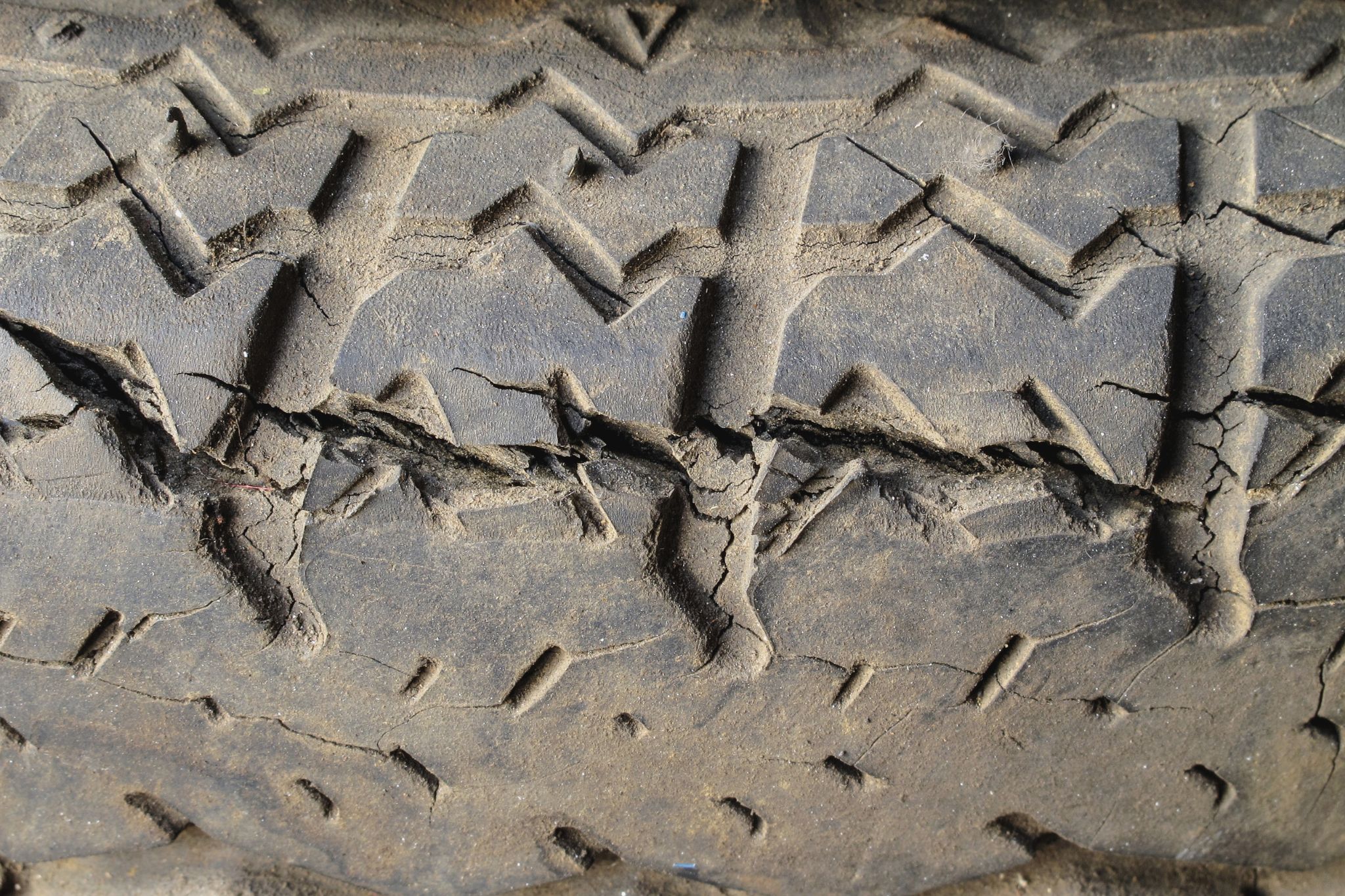
Tires are highly engineered integral and essential parts of a vehicle, but they are predisposed to a range of risks that can jeopardize the effectiveness of your vehicle. A cracked tire is a common issue that car owners deal with, and you may want to know, can you drive on cracked tires?  It is almost impossible to prevent the occurrence of cracks in tires, and all car owners must be prepared to deal with the cracks. Even on the most sturdy and quality tires and less driving sessions, it is important to know that the tires support the weight of your car and can still get cracks.  Can you drive on cracked tires? The decision to drive on cracked tires or not largely depends on the extent of the crack. For a less severe crack, you can drive for about 50 miles before you atop to rectify the problem. However, severe cracks should be fixed immediately. Driving on cracked tires slowly expands the cracks as you drive; if the pressure is too high, the tire can eventually burst out. All in all, it is safer to avoid driving on cracked tires. This can easily lead to damage to the whole tire of the car. In the event of extreme tire cracks, driving on such can lead to accidents that can lead to fires, burning your car, or crushing it completely. In worse scenarios, an accident from a simple crack can cause death. It is quite natural for tires to wear out, and cracks become a common issue that all car owners must prepare to deal with. In most cases, a replacement of the tire becomes the best solution. You can also reduce the risks of tire cracks by being careful with the type of road you drive on. Unfortunately, you cannot prevent the occurrence of cracks on your vehicle tires, but thankfully, you can reduce the risk of having cracked tires.  Keeping tires in a safe place, giving them adequate care, and offering proper maintenance are among the best ways to lower the possibility of cracks in your car tires. It is also key to note that cracks will naturally form due to aging. Apparently, aging is the common cause of tire cracks, even though poor maintenance and storage also lead to the formation of extreme cracks. Also Read: Are Cracked Tires Safe [Don’t Skimp on SAFETY] What Happens When Tires Crack Cracks will develop naturally. There is literally nothing you can do to stop continued cracking once the cracks start forming. It is like waiting for the crack to proceed and the whole tire to be termed useless on your vehicle. (maybe it can be useful for other purposes, but not wheeling your car.) It is just a matter of time before the cracks reach the end of the expected lifespan. At this point, you need to make a replacement. Otherwise, you may not be able to use the car. Regularly checking the tire’s state and frequently taking your car for professional service will help you easily identify cracks and quantify the severity. Afterward, you can be in a better position to know when the tire should be replaced. When a small crack occurs in the tire, it will continue to grow, and eventually, you will have many cracks originating from the initial crack. The flexibility of the rubber deteriorates, and the tire gets a great effect from wear and tear. If not taken care of, the cracked tires will eventually split. You will now have a tire with open sidewalls, which clearly implies that the tire has no use on your vehicle. Hairline Cracks Between Tire Treads Hairline cracks between treads are a common tire problem that almost every rider has experienced. This is common for most tires whose structure composition was not appropriate. Professionals say that hairline cracks on treads are majorly caused by the manufacturer’s negligence of structural integrity. With such a scenario, it is advisable to call in a professional and have your tires inspected. If the tire is new, you can be guided to seek compensation from the manufacturing company. Driving on tires with cracks on the treads also compromises the effective functionality of the treads. When you buy a new tire, check for the presence of hairline on the treads and avoid purchasing tires with these errors. Though it may seem simple, it can cost you a dime in the near future. Is A Little Crack On The Tire Okay It is generally okay to have cracks on the tires. The little cracks are okay and indicate that the tire is aging and will need replacement soon.  You should only get concerned when the small cracks are spread all over the tire; they are too deep or have started to widen. Otherwise, one or a few little cracks may not have such a significant impact on the tire. However, note that the little cracks will expand as you continue driving. These small cracks will also worsen if you expose the tire to harsh conditions and deny it proper maintenance. Generally, if you are too concerned with the small crack on your tire, you should call in an expert to advise you appropriately. The expert will likely let you know if you can drive on a cracked wheel by checking the extent of the crack. Conclusion A crack on the tire body or its treads is quite common. While most cracks are caused by aging, others are due to exposition to harsh storage and working environments. Ideally, if you use a rough dirt road, your vehicle tires will develop cracks more easily than if you could use a well-maintained tarmac road. Inspecting tires regularly will help you know when the cracks are extreme and help you decide if you can drive with the cracked tires. If you notice a relatively small crack, you can drive for about 50 miles or less and stop by to replace the cracked tire.
How Much Grease To Put In a Trailer Wheel Bearing? [Know The TRUTH!]

How Much Grease To Put In a Trailer Wheel Bearing

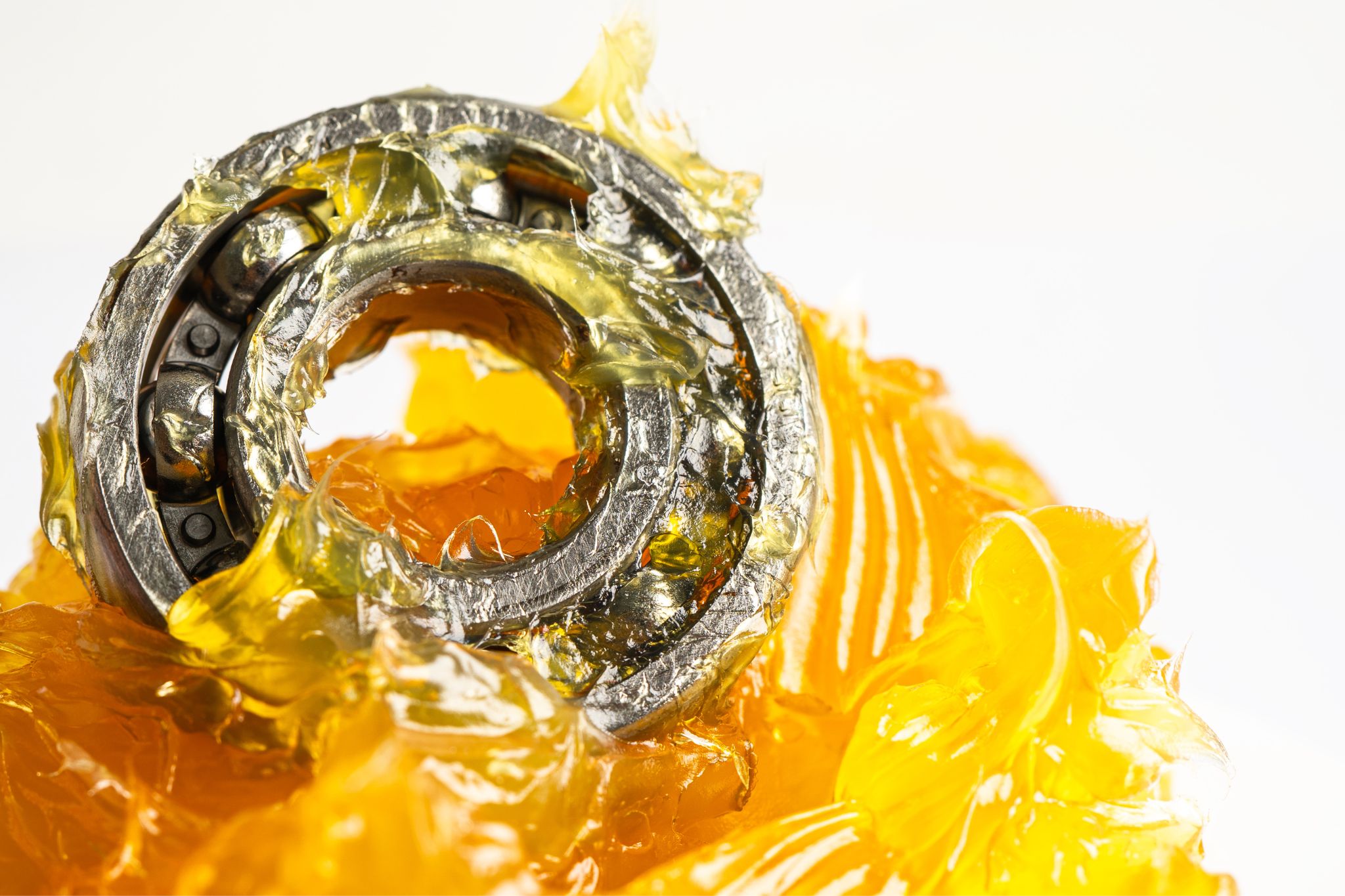
Proper lubrication of trailer wheel bearings is essential to keep the wheels functioning correctly and reduce wear. But, how do you know how much grease to put in a trailer wheel bearing?While it is essential to ensure the wheel bearings are adequately lubricated, you should regulate how much grease should be used. Too much grease can cause damage to bearing seals and cause a loss of lubrication which could lead to premature failure. This article will explore the kinds of grease when to use it, and the effects of over-greasing. How Much Grease To Put in a Trailer Wheel Bearing? The amount of grease to put in a trailer wheel bearing will depend on the type and size of the bearing. Generally, you should use enough grease to fill two-thirds of the space in the bearing cavity. When using lithium complex or polyurea-based greases, the amount applied should be more than two-thirds but not more than three-quarters. Using the correct grease is essential, as more will be needed to provide adequate lubrication and protection, while too much can clog the bearings and seals. In addition to using the right amount of grease, it is also vital to ensure that you use the correct type of grease for your bearing. Lithium complex and polyurea-based greases are recommended for wheel bearings as they provide better protection against water, dirt, and dust than conventional greases. Again, the seal your trailer wheel bearing uses will also affect the grease required. If your wheel bearing has a double lip seal, you should use a thicker lubricant to fill the extra space. How Do I Know if My Trailer Bearings Need Grease? There are several signs that your trailer wheel bearings may need greasing. The most obvious sign is excessive noise from the wheel bearing when driving, which indicates inadequate lubrication. Other signs include the wheel bearing feeling hotter than usual when touched and a grinding sound coming from the bearing. Or if there is visible damage to the seal or grease that has leaked out of it. Whenever you see any of these symptoms, check your wheel bearings and inspect them for signs of wear and tear before applying more grease. How Often Should You Grease Trailer Bearings? Generally, experts advise on greasing wheel bearings every 6 months or after covering a distance of around 5,000 miles. However, if you use your trailer regularly and expose it to wet or dusty conditions, the frequency may need to be increased. Furthermore, checking the wheel bearings each time you inspect your trailer’s brakes and hubs is always advisable, as this will indicate how much grease should be used. A good practice is to clean the wheel bearing with a degreaser before applying more grease, as this will help remove any dirt or debris that may have built up. Another good idea is to check the grease level in your trailer wheel bearings at least once a year. Doing that will help ensure that they are properly lubricated and functioning correctly. If you notice any signs of inadequate lubrication, you should apply more grease before further damage occurs. How To Grease Wheel Bearings on a Trailer Greasing wheel bearings on a trailer is relatively straightforward, but there are some precautions you should take and special equipment needed. Before you begin, ensure the trailer is securely parked on level ground, the wheels choked, and the handbrake applied. To grease your wheel bearings, remove shields or seals around the wheel bearing to expose the cavity. Then, using a grease gun, pump enough grease into the cavity until it reaches two-thirds or three-quarters full. Use thicker grease to fill the extra space if your wheel bearings are equipped with a double lip seal. Once you have finished greasing your wheel bearings, replace any shields or seals and use a clean rag to remove any excess grease that may have spilled out. What Are the Effects of Over-Greasing Bearings? Over-greasing wheel bearings can cause problems, such as increased wear and tear on the bearing components, clogged seals, and leaks. This may increase friction and produce more heat, which will reduce bearing life and cause damage to the wheel bearings due to dirt or dust accumulation. In addition, over-greasing can also attract insects and other pests, further contaminating the wheel bearings. Furthermore, if too much grease is used, it can cause the bearing to fail prematurely due to the pressure build-up from the grease. To keep your wheel bearings in good condition, check and re-grease them regularly but do not over-grease them. Conclusion In conclusion, using the right amount of grease when greasing your trailer wheel bearings is essential. Too little can lead to excessive noise and wear and tear on the bearing components, whereas too much grease can cause the bearing to fail prematurely due to pressure build-up. The general rule of thumb is to check your trailer wheel bearings every 6 months or 5,000 miles and to apply more grease if necessary. It is also essential to clean the wheel bearing with a degreaser before applying more grease and to wipe away any excess grease that may have spilled out. Following these guidelines will help ensure your trailer wheel bearings are properly lubricated and functioning correctly.

Are The Front And Rear Wheel Bearings The Same [Know The DIFFERENCE!]

Are The Front And Rear Wheel Bearings The Same

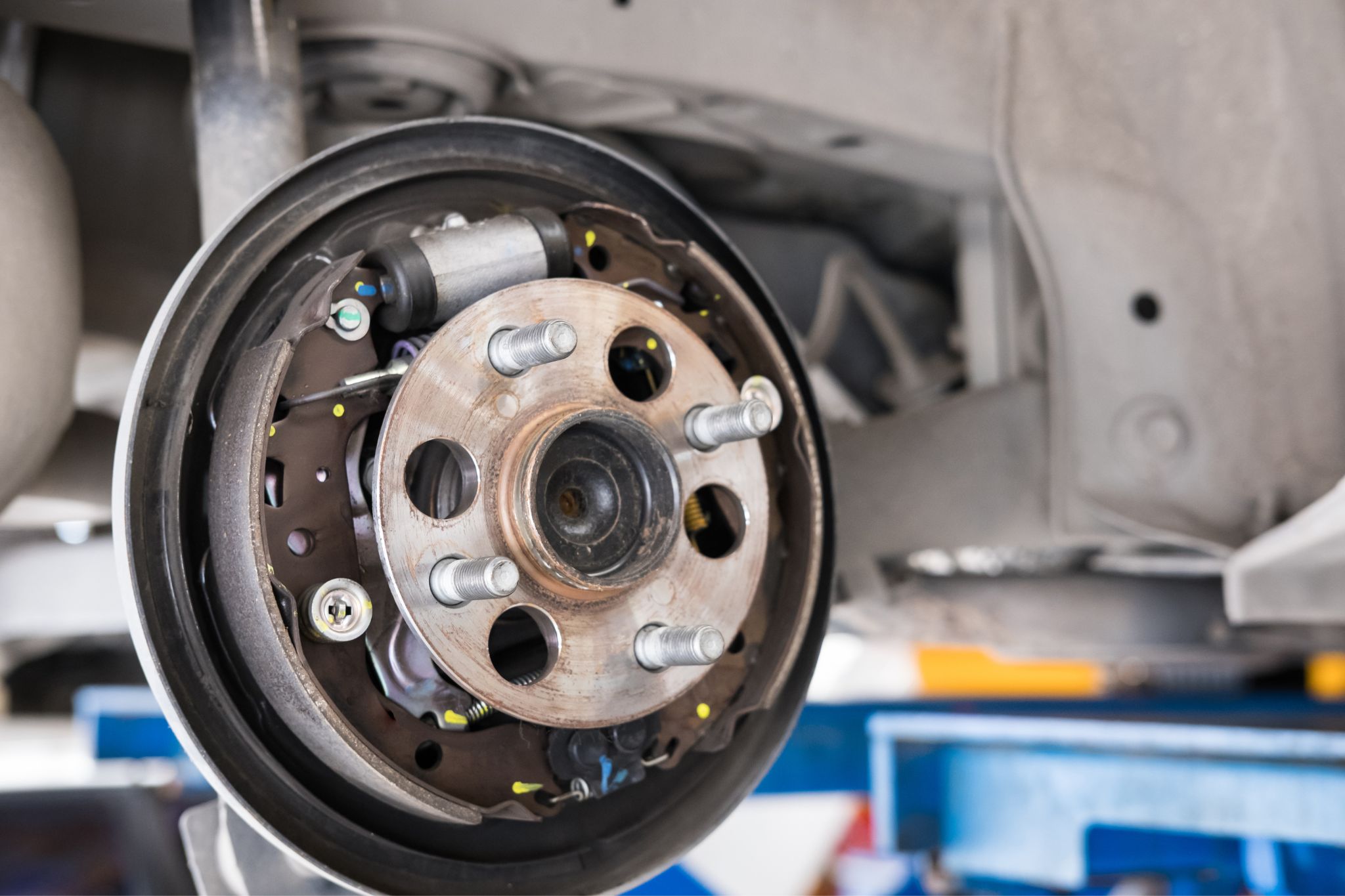
Are the front and rear wheel bearings the same? This question might have crossed your mind a few times. In this article, we get to know whether front and rear wheel bearings are the same. Read on! Are The Front And Rear Wheel Bearings The Same Wheel bearings are steel balls that connect the wheel and axle and are held in place by a metal ring. They are usually located at the front and rear wheels. They are essential components of the wheel that play a major part in the car’s braking and steering systems. They also ensure the wheels can rotate freely with minimum resistance from friction. The real dilemma is whether the front and the rear wheel bearings are the same. There is not much difference between the wheel bearings because they all perform the same function of the smooth rotation of the wheels. The thing that carries actual weight and can be said to differentiate these wheel bearings is when you come down to matters of size and positioning. The front and rear wheel bearings are divided into two main parts, the inner and outer bearings. When it comes to the front wheel, the inner and outer are relatively located near each other at the wheel spindle. On the other hand, when it comes to the rear wheel bearings, the inner bearing will be located at the axle near the side gear, and the outer will usually be found generally near the wheel. Note that this does not apply to all cars because of their different builds and mechanics. Another reason this may only be true for some vehicles is that positioning the wheel bearings depends on the weight of the front and rear, which also depends on whether it is a front, rear, or all-wheel drive type of vehicle. Are The Front And Rear Wheel Bearing Interchangeable? If you paid close attention to the previous discussion, you would have an answer for whether they are interchangeable. We have seen that although the front and wheel bearings are similar in terms of function, they slightly differ in terms of the size of each wheel’s bearings and their positioning. Let us now discuss the elephant in the room, can the wheel bearings of the front wheel freely be substituted with the rear wheel’s bearings? Well, as we had stated before, there are three types of cars; forward-wheel drive, rear-wheel drive, and all-wheel drive. These types of cars have different weight distributions. Also Read: Temporary Fix For Bad Wheel Bearing For example, in forward wheel drive, it is nose heavy, therefore, logically, the front wheel bearings will be bigger and located differently from the general position. The difference in size makes it hard to interchange the wheel bearings, meaning only the left and right sides of the same wheel side can be interchanged. How Do You Tell If It’s The Front or Rear Wheel Bearing is Bad? You may ask yourself, why would I ever want to interchange the two on earth? Well, when your front or rear wheel bearings are completely busted, you may exchange them for a temporary fix as you await repair. But first of all, can you tell which bearing, front or rear, is bad? Like any other problematic issue, some signs indicate this is a bad wheel-bearing symptom. One of the most common signs is the presence of various noises, such as grinding, humming, and squealing noises. These factors narrow things into only two possible issues; bearings or brakes. Therefore, by analyzing where the nauseating sound comes from, you can easily get to identify which wheel has a bad bearing. In addition, you can also get to know you are dealing with a wheel bearing problem if you start to experience steering problems. If it is a forward wheel drive, the problem with the front wheel bearing and vice versa is true. Is it OK To Replace Just One Wheel Bearing? I hope you can now tell which wheel bearing has the problem much easier than before. After identifying either the front or rear wheel as the problem and taking a further step to recognize the specific tire, can you choose to only replace the wheel bearings of that tire, or do you need to replace it as a whole set? There is no straight yes or no answer here, and the choice is vested in you. In reality, there is no need to change the wheel bearings of the front wheel as a set if you have already identified which one specifically is busted. You can call a mechanic to change the one at fault and save some money in the process. However, it is fine if you decide to change as a set. This is even better as although you will lose a couple of bucks in the process, you will avoid any future visits back to the mechanic. Moreover, over time, the old wheel bearing balls will wear out faster, bringing up steering control and tire imbalance. Can You Drive With a Bad Rear Wheel Bearing?  Now, you have a good grasp of knowledge of wheel bearings. So is it possible to continue driving your vehicle after you have noticed that your rear wheel bearings may be busted? This may seem common sense, but in some instances, the problem may find you midway through a trip and requires quick decision-making. Well, the answer will vary in various situations. Generally, when you are traveling and experience a bad rear wheel bearing, it will depend on certain factors if you will continue driving or call a tow truck. These factors are the amount of distance left and the severity of the damage. If the distance is better, you can proceed cautiously at lower speeds. Also, if the severity of the damage is not too great, you can proceed, but it is always advisable, especially if your car is an RWD, to stop and call a lot of tow trucks. Also Read: Can … Read more

New Wheel Bearings Getting Hot [2 MAIN Causes]

New Wheel Bearings Getting Hot

Wheel bearings are a common wear item on the car. They typically last around 100,000 miles. The car can make a humming noise when driving at higher speeds or have vibrations when they start getting worn. They typically get hot and fail because of excess heat and moisture exposure in the area around them. This is due to one bearing experiencing more contact with heat and humidity than other bearings on the axle; this causes increased friction which leads to premature failure of that bearing.” The new wheel bears will still get hot because they may not be seated properly from installation. Any metal surface absorbs heat once it gets hot enough, which will cause the end seals to break down faster. It is also possible that the bearing is defective. To confirm this, inspect the bearing itself visually. The best time to do this is when the outside temperature is at least 60 degrees Fahrenheit. Why Are New Wheel Bearings Getting Hot So, Why are new wheel bearings getting hot? When the bearings start getting hot, check the outside temperatures. They are typically equipped with an inside temperature gauge that tells you if they are too hot to touch. It is time for a new bearing if they are too hot to touch. This may be due to improper installation; which can be corrected by removing one wheel and centering it again on the bearing. The bearings may be defective. They can be visually inspected by rotating them by hand. If they do not rotate freely, even when somewhat warm, they may be defective and should be replaced. The bearings can also get hot if the vehicle is experiencing vibrations and unusual sounds while driving. These can also be abnormal noises coming from the transmission or CV shafts. Also read: Can a Bad Wheel Bearing Cause Traction Light To Come On? Is It Normal For Wheel Bearings to Get Hot The metal in the wheel hub will absorb heat and become hot when it is outside in hot weather. The bearings that are inside the hub can get very hot. They were not put there to be a temperature regulator, and they will still work, even if they are too hot to touch. Overheating can cause premature failure of the bearing by weakening the seal. This is because more grease and water may leak from a broken seal than from a running bearing. Before a bearing’s life ends, the hub may get so hot that it can’t be touched. What Causes The Wheel Hub to Get Hot One cause of this is improper installation. When a wheel bearing is installed properly, the installation part should be wiped clean to remove all dirt, dust, or grease before installing it. Leaving this little grease or dirt on the hub can cause it to heat up and fail prematurely. “Gunk” also hinders coolant flow and lubrication to prevent bearing damage. The other cause is excessive heat. This can occur during high rates of speed, heavy loads, or a combination of the two. This causes the grease to break down and the bearing to run hot. Can Overheating Cause Bearing Failure Many conditions can make bearing fail prematurely. The most common is too much heat and dirt in the surrounding area. It is also possible to have an oil, grease, or another contaminant “gum up” the bearing, causing it to fail before its time or damage other parts on the axle assembly. Other causes are design defects that were not discovered during testing and were put on the car anyway. Also Read: Does Wheel Bearing Noise Stop When Braking? [Know The FACTS!] Does Grease Remove Heat From a Bearing The grease may break down and leak out when the bearing becomes too hot. This is because the grease acts as a lubricant and protects the bearing. As more heat is absorbed by it and other metal parts around it, more grease will break down and cause failure. When the bearing is hot enough, the grease starts to liquefy and become a liquid. The grease will remain as a liquid until it cools off. The best way to protect it from heat is to keep the area around it clean and free of bugs, dirt, and other debris to prevent overheating. What Do I Look for In a New Wheel Bearing? There are many different styles of bearings out there, but some things can help determine which style and brand to get when replacing them. First, ensure you get ones with a wider flange for better gasket sealability and fitment. This will reduce the chances of leakage over time and also helps in installation. Getting a larger inside diameter bearing with a smaller outside diameter is also important. They have more grease capacity and better grease retention properties. They also tend to have a better load rating between the races. Having two of these bearings installed on each wheel is recommended for added strength and improved wear in both bearings. This can also reduce the chances of one bearing failing under lower loads due to the load sharing between them. Frequently Asked Questions (FAQ) Conclusion In conclusion, a wheel bearing can last for 80,000 to 100,000 miles if properly installed and maintained. The bearings are made from hardened steel and are very strong. Suppose they are installed improperly or forgotten about when not used; it is possible to have them fail within 100,000 miles of usage. The bearing should be inspected every two years to determine if it needs to be replaced and when the current time has expired.

How Tight Should a Wheel Bearing Nut Be [Uncover All The Facts!]

How Tight Should a Wheel Bearing Nut Be

A wheel bearing nut tightness may be specified by the vehicle owner or indicated on the car’s maintenance schedule. It is common for a car to have more than one specification. For example, one might require a thread torque of no more than 50 foot-pounds while another specifies a torque of 80 foot-pounds or less. How Tight Should a Wheel Bearing Nut Be It is common for wheel bearing nuts to be over-tightened. Over-torquing a wheel bearing nut has become so common that wheel bearing replacement kits are even sold commercially. They generally include a wrench with a locking mechanism so that you don’t have to worry about losing your wrench during installation or driving off without tightening it properly. However, although the wheel bearing nut is the only part of the assembly that handles mechanical loads, failure of the nut’s retainer ring often results in some damage to the wheel bearings. Over-tightening a wheel bearing nut can result in the nuts’ becoming stripped, which could damage the wheel bearings. Sometimes, one may tighten a wheel bearing nut to such an extent that it compromises the seal at the axle end of the hub. When this happens, water will leak into the axle well and find its way up through cracks in the axle shaft. If enough water finds its way into the axle, it will freeze and expand its volume enough to damage the bearings. In addition to freezing and bursting, frozen water in an axle can create burrs on or inside the bearing so that they no longer slide properly. When the car is driven, this can generate high heat levels and lead to bearing failure. Symptoms of Over-Tightened Wheel Bearing When bearing nuts are over-tightened, the nut and retaining ring seal may be compromised. This could affect the bearing, causing damage to the bearings or even a failure of one or both. Inevitably, a wheel-bearing nut no longer holding water will attempt to roll off the end of its shaft and into the air. If it is on an open hub or axle that has not been properly greased, it can result in the wheel bearing or hubs destroying itself and possibly damaging other components. When a wheel bearing nut is overtightened, sometimes it can be difficult to differentiate whether we have broken it loose or just damaged it so badly that it broke loose without us even noticing. Regardless of what the problem is, it is commonly a sign that you should have it replaced. Inevitably, a wheel-bearing nut no longer holding water will attempt to roll off the end of its shaft and into the air. If it is on an open hub or axle that has not been properly greased, this can result in the wheel bearing or hubs destroying itself and possibly damaging other components as well. What Happens If You Over-Tighten Wheel Bearings Over-tightening a wheel bearing nut can cause damage to the bearings or damage to other components of your vehicle. This can lead to the early failure of the bearings, which will require immediate replacement. If the wheel bearing nuts have been over-tightened, they may come loose in your wheel well or the very center of the wheel. When this happens, you cannot remove your wheel bearing caps and finish re-greasing both bearings, particularly if you use a special 0.1 mm line or a diamond pattern. In that case, there is not much that you can do to stop the bearing from cracking and breaking. If they are so tight that they are failing within the wheel well or axle hub itself, replacing them is generally easier than fixing them. How to Tell The Wheel Nut Is Over-Tightened Check if this wheel bearing nut or the bearing cap on either side of it is one piece. If they are loose or you feel any unusual movement during the wheel turning, that is a good indicator that these parts have been over-tightened. If water is leaking from any part of the hub, this also indicates that the wheel bearing nut has been over-tightened. The axle can also give some indication as to whether or not a wheel bearing nut has been overtightened. If it is noticeably moving or wobbling, then this can indicate that it has been over-tightened. Also read: How To Stop Wheel Nuts Coming Loose (5 Preventive Measures) What is The Proper Way to Tighten Wheel Bearings The proper way to tighten a wheel bearing nut is to use just enough pressure to ‘finger-tight’ the nut. If you overdo it, your nuts will become stripped and no longer be able to hold their seal, but they won’t break on you while driving down the road. To determine if your wheel bearing nuts are too loose or not tight enough, remove them and place a properly tightened wrench on either side of the nut. If the wrench ends up spinning, it needs to be put on firmly enough. If it doesn’t spin, your wheel-bearing nuts are probably too tight. It is common to over-tighten wheel bearing nuts simply because you don’t think you did or because you don’t know how to tell if they are too tight or not tight enough. This can lead to wheel bearing damage and warranty claims. Even if the wheel bearing nuts do not break free on their own, there is still a chance that they can cause damage to the axle hub or wheel well itself. This can lead to problems with access for repairs and other complications that may be expensive or even dangerous for vehicle occupants. When you have a wheel bearing seized due to debris or other factors, you should still replace it rather than undoing the wheel bearing nut to remove the debris. Some manufacturers recommend using anti-seize paste on the thread of any wheel bearing nuts designed for alloy wheels used on cars with steel wheels. The anti-seize paste makes it harder for the nut to strip, ensuring … Read more