Can a Cracked Rim Cause Vibration [3 Signs To Look Out For] 
Can a Cracked Rim Cause Vibration

As a car owner, it’s normal to experience minimal vibrations when driving on smooth and rough terrains. However, if the vibrations become excessive, that’s a sign that something is wrong.  Vibrations can occur in many parts of your car, from the engine to the transmission. However, the most common area where vibrations mainly occur in a vehicle is on the rims. If you have recently hit a pothole, curb or been involved in an accident, a crack may have developed on your rim. And if you are wondering whether it’s the source of the vibrations you are feeling, keep on reading to learn more.  Can a Cracked Rim Cause Vibration  Unfortunately, a cracked rim can cause your car to vibrate. A cracked rim can alter the amount of contact the wheels make with the road. As a result, the vehicle may feel shaky, and vibrations caused by uneven contact between the wheel and the road can be transmitted through the steering column. Therefore, vibrations are one of the main signs of a cracked rim.  A cracked rim can also manifest itself through other signs apart from vibrations. Some additional signs you need to be on the lookout for include;  Driving with a cracked rim is a safety hazard. That is why if you notice vibrations or any of the signs listed above, you need to inspect your wheels immediately and take them to a service center for repairs or replacement, depending on the extent of the crack.  Can a Damaged Rim Cause a Car to Shake  If one of your rims is damaged, it can cause the tires to make uneven contact with the road, thus leading to shakiness. The shakiness caused by damaged rims is often transferred through the steering wheel column. You may also notice signs such as poor handling and unexplained inflation of your tires.   There are a couple of things that can damage your car rims. The most common is hitting a curb or pothole. Also, the rim may get damaged if you have been involved in an accident. Rims can be damaged when they bend or crack. Therefore, these are the two things you need to inspect if you suspect that your rims have been damaged.  Damaged rims need to be repaired or replaced urgently because they always start shaking when you are driving at high speeds. It may be impossible to feel these vibrations if you are driving at 30 MPH.  It’s also worth mentioning that misaligned wheels can also cause your car to shake. Therefore, if you don’t spot any damage on the rims, you should schedule your vehicle for wheel alignment.  Why is My Car Vibrating When Driving  It doesn’t matter whether your car is new or old. You expect it to cruise smoothly along the highway. However, if you have noticed some unusual vibrations of late, you need to be on high alert.  A cracked rim isn’t the only culprit that can cause vibrations in a car. There are several causes you should also consider, which include;  Whether the vibration is caused by engine issues, warped brake rotors, or a cracked rim, this problem must be addressed immediately because it is a safety hazard.  Is a Slightly Bent Rim Dangerous It’s dangerous to drive a car with a bent rim, no matter how minor the damage is. If one of your rims is slightly bent, it can pinch into the tire, causing blowouts. Should this happen while you are driving at high speed, the results can be catastrophic.  As if that’s not enough, a slightly bent rim can significantly affect your car’s handling. It makes it difficult for you to steer, placing you in dangerous driving situations. When you suspect you have a damaged rim, the best thing to do is to park the vehicle on the side of the road and request emergency mechanic repair services.  You should also know that driving with a slightly bent rim can lower the air pressure in your tires. Therefore, you may find yourself with a flat in the middle of nowhere.  A bent rim is dangerous for you, your car, and other motorists. The good news is that if your rim is slightly bent, it can be easily fixed. You, therefore, don’t have to incur expensive replacement costs.  How Do You Fix a Slightly Bent Rim  If the damage is minor, it can easily be repaired. There are two ways you can fix a slightly bent rim. Either take it to a mechanic or repair it at home. To fix a slightly bent rim at home, you will need a blow torch to heat it back to its normal shape and a hammer. This has to be done when the rim is removed from the car. You will need some welding experience to pull off this project. Remember to wear eye protection and gloves.  In case a DIY fix for a bent rim seems like a lot of work, you can always pay an expert mechanic. A slightly bent rim can be fixed in less than an hour, which shouldn’t cost you much money.  Conclusion  Can a cracked rim cause vibration? Absolutely! A cracked rim affects the wheel’s contact with the road, and the vibration produced is transferred along the steering column. If you have hit a pothole or curb and you suspect that the rim is cracked, park safely on the side of the road and make arrangements on how you are going to fix or repair it. Do not be tempted to drive around with a slightly bent wheel because it’s hazardous for you and other motorists. 
Are Cracked Tires Safe [Don’t Skimp on SAFETY]

Are Cracked Tires Safe

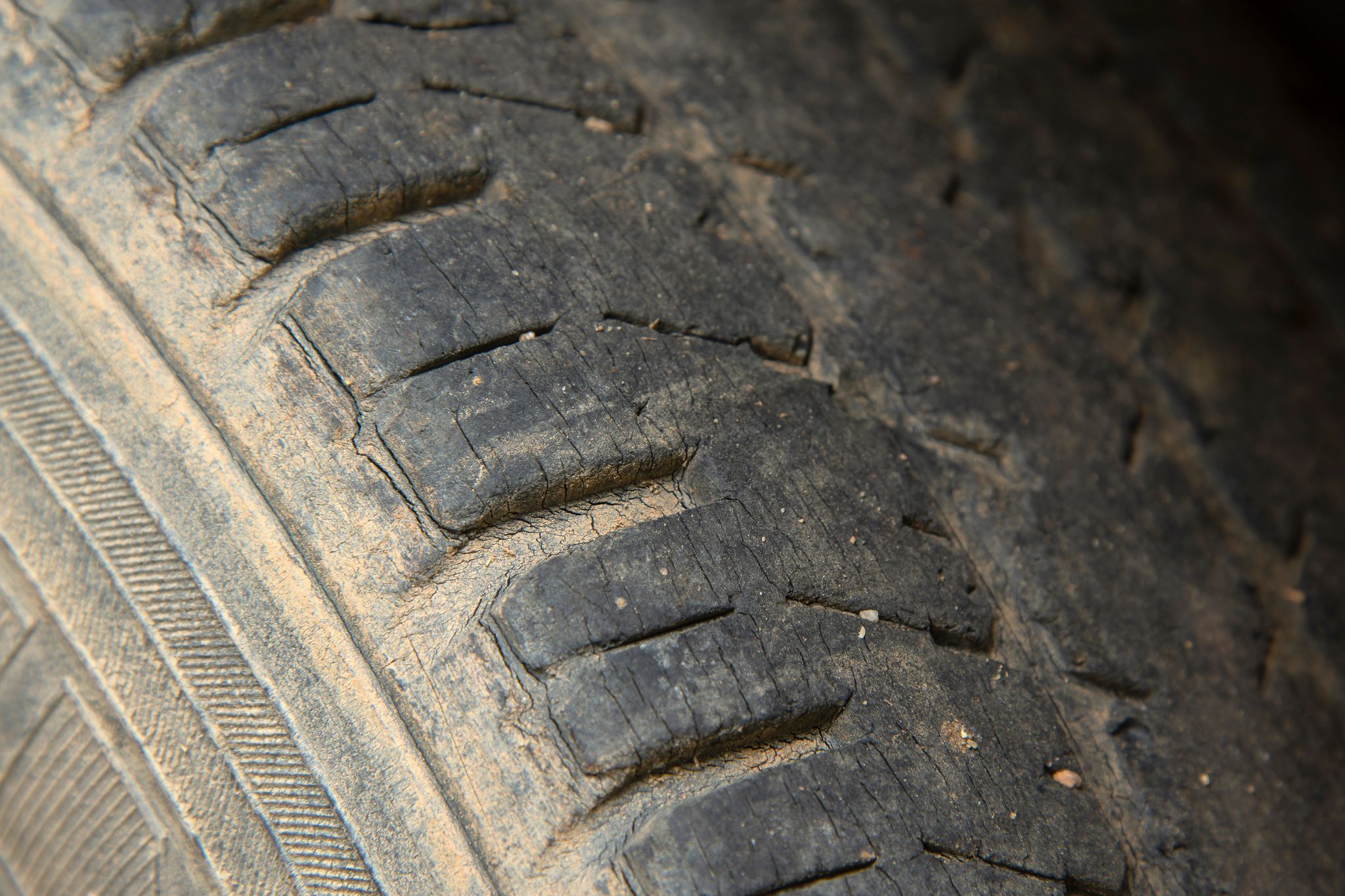
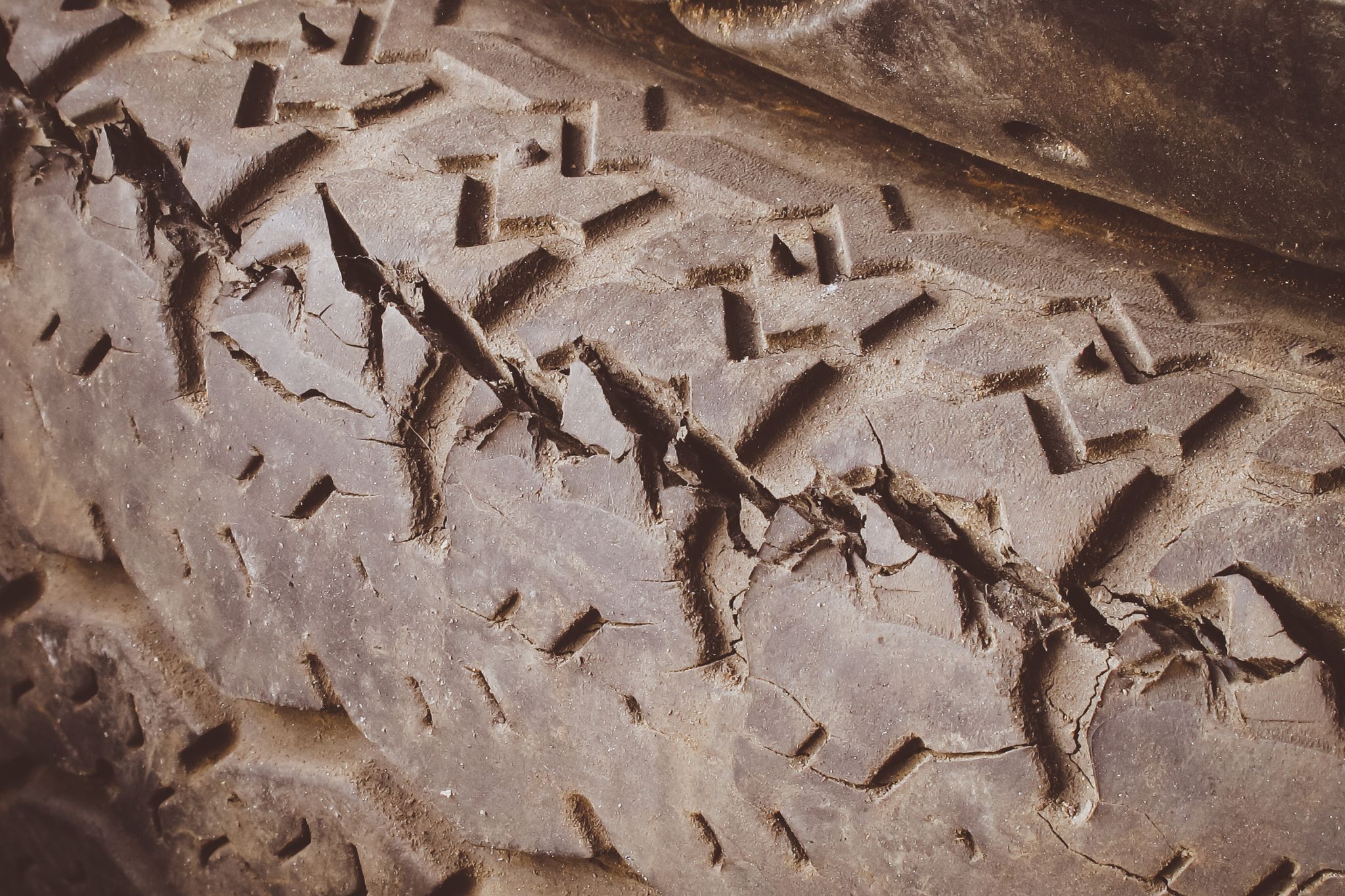
Anyone who drives knows how cold can affect a car’s tires. The rubber compounds will contract, expanding in colder weather, and the cold affects them more when they’re wet because the moisture makes these compounds expand more quickly. But what about cracked tires? Are cracked tires safe? Many drivers will be surprised to learn that driving with a cracked tire is more dangerous than driving with a flat. Even having a small crack can be dangerous because it puts you at risk of losing control of your vehicle. This guide will introduce you to some interesting facts about cracked tires and how they affect your car’s performance. Are cracked tires safe? So, are cracked tires safe? No, cracked tires aren’t safe at all. They are often more likely to blow out outright when you’re driving, and they can cause much greater danger on the road than just a flat tire. If you have a blowout, you won’t be able to control your car, and you’ll likely end up in an accident. Crack tires also weaken the tire’s structure, making it more susceptible to failure, such as a blowout. Additionally, worn-out and cracked tires can decrease the vehicle’s stability, traction, and braking ability. It is important to note that while some small cracks may be repairable, larger cracks or multiple cracks may require the tire to be replaced. It is always better to be safe than sorry, and if you notice any cracks in your tires, it is best to have them inspected by a professional and replaced if necessary. How long do tires last before cracking? The lifespan of a tire before cracking can vary depending on several factors, such as the type of tire, the driving conditions, and the amount of use. In general, tires are designed to last for several years, with the average lifespan of a tire being around 5-7 years. However, this can be shorter or longer depending on various factors. Tires exposed to harsh weather conditions, such as prolonged exposure to sunlight or extreme cold, will have a shorter lifespan. Tires used frequently, and driven on rough or uneven surfaces, will also tend to wear out more quickly. On the other hand, tires that are driven less frequently, or are used primarily on well-maintained roads, may last longer. Tires also lose effectiveness over time, even if they don’t show visible signs of wear. Tires that have been in service for six years or more, regardless of their tread depth, should be replaced as the rubber deteriorates and becomes less flexible. To ensure the safety and longevity of your tires, it is advisable to have them inspected regularly and replace them when they show signs of wear or have reached their recommended lifespan. When should a cracked tire be replaced? A cracked tire should be replaced immediately. Driving with a cracked tire is extremely dangerous, and failure may result in an accident. Tires with cracks can lose their pressure overnight, which results in a loss of the tires’ ability to cushion the road and absorb uneven surfaces, resulting in a loss of control of your vehicle. Worn-out and cracked tires can decrease the vehicle’s stability, traction, and braking ability. It is a good idea to have your tires inspected regularly, and if any cracks are found, the tire should be replaced. If the cracks are deep or extensive, the tire should be replaced immediately, as it poses a safety risk. Even small cracks can grow over time and can lead to a complete failure of the tire.  Is it bad to drive on cracked tires? Yes, it is bad to drive on cracked tires. Driving on cracked tires could result in an accident, which includes injuries and even fatalities. Driving on cracked tires can also lead to more rapid wear and tear on the tires, making them more likely to fail sooner. This can lead to additional expenses for the replacement of the tires. Never drive with a cracked tire, even if the tire pressure light is not on. Are small cracks in tires normal? It is normal for tires to have small cracks when they are used on hard surfaces. The reason for this is that the rubber compounds in the tire become strained when it’s exposed to stress and uneven surfaces. When this happens, tiny cracks will form in the tire, which helps the tire flex and adapt to the uneven surface. Small cracks in tires are not usually a cause for concern as long as there aren’t any signs of damage or leaks. Conclusion So are cracked tires safe? It is now clear that cracked tires are dangerous and can cause accidents. Tires are a vital part of a car’s performance and should be replaced when they show signs of wear or reach their recommended lifespan. Cracks in tires pose a risk to the safety of the driver and any passengers, as well as other vehicles, when driving on the road. It is, therefore, in everyone’s best interest to ensure that your tires are inspected regularly and replaced if there are any visible signs of wear or cracks. Get your cracked tire replaced as soon as possible for the safety of yourself and others on the road.

Are Cracks Between Tire Tread Unsafe? (Plus 3 Causes)

Are Cracks Between Tire Tread Unsafe

When it comes to driving safety, tires can be a major concern. Tires can develop cracks, slow leaks, and even blow out. So are cracks between tire tread unsafe? In this article, you are going to learn more about why cracks form in tires, how they affect your driving, and what you should do if you have a tire with a crack. Cracks in tires are caused by a variety of factors, ranging from stress on the tire to sheer temperature changes. All these can cause cracks to form between the treads.   The tire of a wheel is held together by an internal layer of rubber, and from there the tire’s outer surface is covered by the tread. The tread is made up of small vertical grooves that are cut into the rubber which helps in improving the grip. Are Cracks Between Tire Tread Unsafe Cracks between the tire tread can be unsafe to drive on, especially if the tire is damaged in other ways. One reason why it is unsafe to drive on a cracked tire is the tread loses its ability to grip the road. Driving on a slippery road can be dangerous especially when you are driving at high speeds. Another reason why cracks between the tire tread will cause damage to your tires and wheels is that it causes stress concentration in that area of the tire. With more stress being placed in one spot, cracks can easily appear there and spread throughout the whole casing of the tire. Also, cracks may cause a flat tire which might be a result of leakage. This is especially the case if you are driving on a freeway and the tire leak gets worse. The blowout will cause the tire to lose air, and you can end up losing control of your car or even crashing into another vehicle.  Cracks between tire treads can also be dangerous if you have an old tire. This is because it will be uneven, making it susceptible to the road. An uneven tire is also a sign that the tire can’t grip the road as well as it should, and this means accidents or a bad experience from driving. Cracks can also cause other problems with your car, such as decreased fuel mileage or even overheating of the engine. The best thing to do if you think cracks are developing in your tires is to call for their repair immediately and have them fixed by professionals fast. Can You Drive on Tires With Cracks Between Treads? It is not recommended by most car manufacturers or tire manufacturers. Driving with cracked tires can be dangerous. At higher speeds, the tire can lose its grip and cause a flat tire or possibly lose its air. But, if you are driving on a highway and the tire is overheating or there is a small leak, you may be okay to drive.  Also, the severity of the crack of the tire can determine if you can drive on it. A small crack may not affect your driving experience, but a large crack with extensive damage will cause you to lose control of your vehicle.  You can drive on a cracked tire if you have to, but it’s best to have your mechanic check out the tires and see if they can be repaired or replaced. If you cannot afford a new set of tires or you are in an emergency situation, call roadside assistance for help. Is it Safe to Drive With Tires That Have Visible Cracks? Visible cracks can be very dangerous to drive on. When cracks are visible, it means that they are more easily damaged. If the tire is completely broken, the tread can no longer be gripped.  Cracks can also cause your tires to lose air and give you a flat tire. While it may be okay to drive on them with a little damage, it isn’t good for your car because you won’t have the same grip as before, and possibly will cause a flat tire. You may even damage other parts of your car, such as your ball joints since it will be crooked. Cracks in the tread can also cause other safety problems, such as uneven traction on the road which makes it more likely you will lose control of your vehicle and cause an accident. Below is a table to help you determine whether your tire cracks are safe or not. Type of crack Is it safe to drive? Normal wear and tear Yes Small, surface-level cracks Yes Large, deep cracks No Cracks that extend across the tire tread No Cracks that show cords or fabric No Excessively numerous or wide cracks No Table Tire cracks and safety concerns tables. There you go. Should I Get New Tires if They Are Cracked? It is advisable that you get new tires if they have cracks, as it is too dangerous to drive on. It is best to take them to a tire repair shop and have them professionally checked out to determine if they need to be replaced or repaired. If the tire can be repaired and the crack does not grow in size, you can still drive on it with some damage until you find a new set of tires for your car. Driving on new tires will also create confidence in your car’s grip and ability to drive on the road. You won’t be worried while you are driving because your tires will be brand new and will give you a comfortable drive. Is it Normal for the Tire Tread to Crack? It is not normal for the tire tread to crack. The rubber in the tire is very durable. So, when the outer surface of the tire gets damaged and cracks develop that go through the tread, this means there is a problem with the car.  There might also be a problem with the brand of tires you are using. Some brands are known to … Read more

Can a Cracked Tire Rim Be Repaired? (5 Ways To Fix It)

Can a Cracked Tire Rim Be Repaired

Have you ever wondered what to do if your car tire rim cracks? Cracked wheel rims aren’t only aesthetically problematic but also a safety hazard as well so it’s important to understand why they occur and when repairs are possible. When it happens, many people immediately worry that they need to buy an entirely new rim for their car, which can be quite expensive. Fortunately, there are ways to repair a cracked tire rim and save time and money in the process.  By working with a professional auto shop or with the assistance of some specialized tools, you may be able to effectively patch or weld up the damaged area of the rim and have them looking like new again. Though any repairs done should still be checked out by an expert mechanic before use, cracked tire rims don’t necessarily have to necessitate replacing the entire thing. Can A Cracked Tire Rim Be Repaired? Cracked tire rims may be fixed, depending on the size and position of the crack. Small cracks can be mended by filling them with a sealant, while bigger cracks might require either welding or replacement of the rim. Minor cracks can be repaired by filling them with a sealant. It is in your best interest to discuss the specifics of the problem at hand with an experienced auto mechanic or tire specialist so that you may identify the most appropriate next steps. Filling a crack in a cracked tire rim with a sealant or welding the crack together is the common method used to repair a cracked tire rim. If you take your vehicle to a qualified mechanic or someone who specializes in tires, they will be able to recommend the next step that is most appropriate given the circumstances. A sealant can be used to fill in a crack in the rim and stop it from spreading if the crack is not too large and is placed in an insignificant part of the rim. This will prevent the crack from becoming larger. In most cases, this is only a short-term solution, and the sealant will need to be repeated at regular intervals. How Do You Fix A Cracked Tire Rim? The severity of the crack and the placement of the crack both play a role in determining how to repair a damaged tire rim. The following is a list of the general actions that need to be taken while mending a cracked tire rim: • Examine the crack: A qualified tire specialist or professional technician should examine the crack to identify the extent of the damage and its precise position. They will additionally inspect the rim for any additional signs of damage. • Clean the area: In order to ensure that the glue or sealer used to fix the fracture will bind correctly, the surrounding area will first be cleaned. • A sealant: it can be used to fill the crack and prevent it from spreading if the crack is not too severe and it is placed in a non-critical section of the rim. If these conditions are met, the crack can be filled with a sealant. In most cases, this is only a short-term solution, and the sealant will need to be repeated at regular intervals. • Welding the crack together: it may be required in order to repair it if the crack is particularly severe or if it is located in an important part of the rim. To accomplish this, a torch designed for welding will need to be used to join the broken edges of the crack. • Sand and paint: In order to make the repaired region blend in with the rest of the rim, it will be sanded and painted. The tire and rim will be balanced once the repair has been completed so that the ride will be as comfortable as possible. It is essential to keep in mind that the integrity of the rim may have been weakened even after it has been repaired, and it is strongly advised that the rim be replaced if at all possible. Is It Safe To Weld A Cracked Rim? Welding is a common means of fixing a variety of difficult-to-repair problems, from torn clothes to broken pipes. But when it comes to more complex and intricate items like cracked rims, there are some considerations that need to be taken into account prior to attempting any work.  While welding is certainly possible in certain cases, depending on the integrity of the rim, it can also expose drivers and passengers to dangerous fumes and potentially cause further damage. Therefore, it’s essential that an experienced professional with the proper qualifications is consulted before any decision is made regarding the rim’s repair. With the right expertise and safety protocols in place, welding a cracked rim can be accomplished safely and effectively. How Much Does It Cost To Fix A Cracked Rim? Fixing a cracked rim can be surprisingly cost-effective; many people are surprised to find out that repairing it is much cheaper than buying a brand-new one. Prices for fixing a cracked rim can range from as little as $62 up to $125, depending on the severity of the crack and the materials needed to repair it. It is important to note, however, that while having your rim repaired may cost less initially, it may not necessarily be the right choice in the long run.  A quality repair job will restore structural integrity and performance but if done poorly, problems, such as vibrations or an unbalanced wheel could arise over time. Ultimately, making sure you select a qualified technician for any repairs should ensure that your newly fixed rim will last for years to come. What Causes A Rim To Crack? The cause of a cracked rim is typically linked to damage inflicted on the wheel while driving. This can occur due to hitting a large pothole, a curb, or running over something in the road such as a large rock. In all cases, each impact … Read more

Can a Cracked Rim Cause a Flat Tire

Can a Cracked Rim Cause a Flat Tire

If you have ever had a flat tire, you will know that it can be very frustrating. One thing that most people don’t know is that if your car has a damaged rim and you run over something sharp with the tire, then it might cause the tire to go flat. So, can a cracked rim cause a flat tire? A cracked rim is a rim that has been damaged or broken, usually from hitting a rock or something. The rim is the metal part of the tire that extends from the side of your car’s fender. It is made to support the weight of the car and keep it from slipping. In this article, you are going to learn whether or not a cracked rim can cause a flat tire. You are also going to learn how to repair a cracked rim. Can a Cracked Rim Cause a Flat Tire The question you might be asking yourself is “can a cracked rim cause a flat tire?” Well, the answer is yes, it can. A cracked rim will cause a flat tire because the crack is going to act as a vent. It will release air that is inside the tire. The air will cause it to lose pressure, just like if you were to lose the air in a balloon. So, whether or not a cracked rim can cause a flat tire depends on several factors:• How big was the crack?• The type of rim• The tire pressure• Road conditions These are all important factors that will determine the outcome. This means that if the crack is big enough, you will have a flat tire. The type of rim is also important because some types of rims can sustain more damage than others. The type of tire and the tire’s pressure will also have an impact on whether or not the rim cracks and therefore causes a flat tire. For example, if you are driving a car with large tires, it will hit the crack harder than if you were to drive a small vehicle. The road conditions also matter, because if a road is wet, then your tires are going to give in less easily. So, as you can see, can a cracked rim cause a flat tire? Yes, it can, but that depends on several factors that are out of your control. The best thing to do is to have your cracked rim repaired as soon as possible, no matter what the reason for the crack is. This way, you won’t have to worry about having a flat tire because of it. Can a Cracked Rim Cause a Tire Leak? Another question you might have is, can a cracked rim cause a tire leak? Well, if the crack is big enough, then yes it can cause a tire leak. The reason for this is because the crack is going to act as a vent. It will release air which will cause a tire leak.  A tire leak is simply the loss of air from inside your tire, usually through a hole or small crack. The more it leaks, the more pressure your car’s tires are going to lose. The loss of pressure can also lead to you having a flat tire down the road. Also, a crack may cause a tire leak because the rim isn’t holding the tire in place anymore. If it’s not holding on to it well, the tire can actually slip out of the rim, which means that your car is not going to be properly supported and the tire will leak.  How to Fix a Cracked Rim that Leaks Air There are several ways you can fix a cracked rim that leaks air. You should start by identifying where the crack is. You can do this by dipping your wheel in foam water and see where the bubbles are being released. Then, you will have to determine how big it is. As soon as you’ve determined these things, then you will be able to repair the rim and make sure that it doesn’t leak air again. After identifying the area where you think the leak is, you will be able to start repairing the crack. You can do this by applying epoxy or silicone to glue it back together. You can also use metal flaps to fill in the crack. This is an effective way of fixing it because it won’t even need much repair work afterward, which means that you don’t have to worry about it causing a flat tire again. It is advisable that you take your rim to an expert and let them fix it for you. This is because they will know exactly how to repair a cracked rim that leaks air to avoid future problems. Can a Rim Damage a Tire? It is very possible for a rim to damage your car’s tire. A damaged rim can become sharp and cut your tire’s inner liner. Your tire is going to become deflated when this happens. It may also be hard for a damaged rim to hold a tire in the right position, which means that you may experience problems when driving. Also, when the rim has been damaged, your car is not going to be as stable. This means that your tire is going to wear out unevenly and quickly. This is because the rim isn’t supporting it correctly, which means that you are going to go back to the shop soon. Can You Drive With a Slightly Cracked Rim? It is not recommended that you drive with a rim that has slightly cracked because it could cause you to have a flat tire. When the rim has been damaged, your tire is going to start losing air because of it.  A small crack may also turn hazardous and cause you to have an accident it. This means that the crack may make your tire unstable, which will cause the tire to lose pressure.   You … Read more