How Long Does A Nail Have To Be To Puncture A Tire?

How Long Does A Nail Have To Be To Puncture A Tire

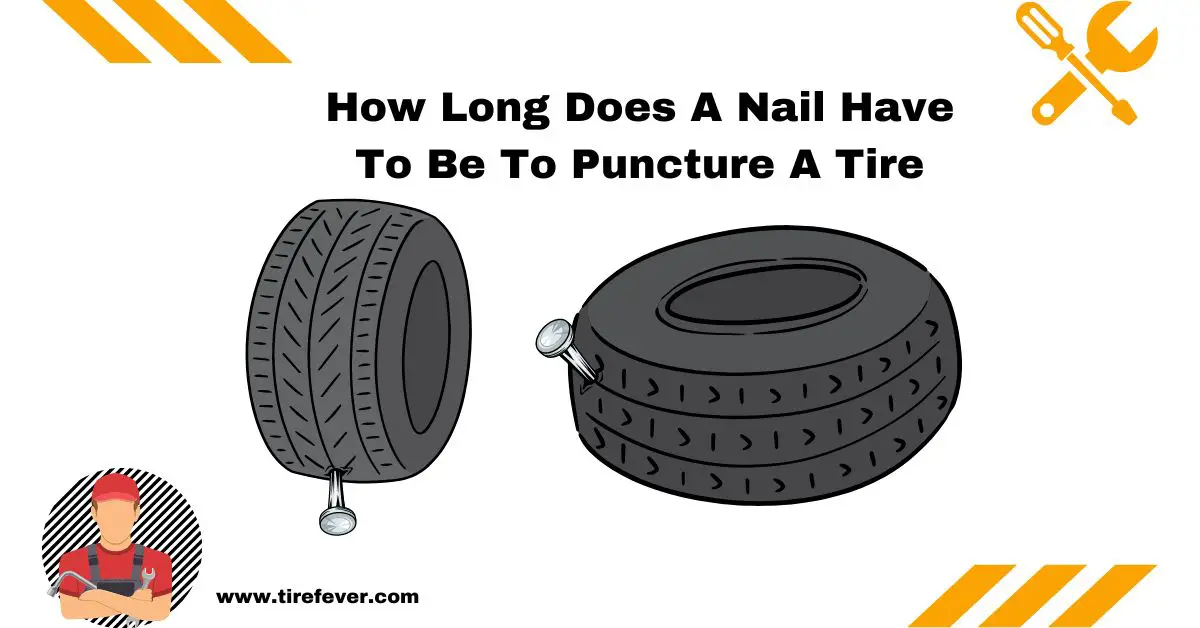
Tires can easily be pierced through in what we call a puncture by several objects if they are strong and sharp enough to injure the tire deep enough. Some of these objects that can cause a puncture are: long nails, sharp broken bottles, deer antlers, porcupine quills, and so on. Sometimes, an object may not necessarily be either hard or sharp enough to cause a puncture, but it may eventually do because the tire’s integrity is badly compromised due to age, overuse, and sheer negligence! We may then seek to know, with certainty, whether there is a specific length nail must have before they pierce tires clean through or not. Answers to this question and many others will be provided in due course. Just read on. How Long Does A Nail Have To Be To Puncture A Tire? For any nail to puncture a tire, several factors must be taken into consideration such as the strength of the tire, the size of the nail, how sharp the nail is, and also how well placed the nail to cause any tire damage. Old and worn-out tires are quite easy to puncture by even blunt nails than strong steel-belted tires. Sometimes, a nail can pierce the tire but not deep enough to go through the rubber fabric to cause any air leakage. In such instances, after pulling out the nail, conduct a thorough check to satisfy yourself that there is no air leak. However, make sure to do all this investigation at a tire repair workshop just in case. The question, therefore, is not of how long a nail must be in order to puncture a tire but how strong and well-placed is the nail. Essentially, therefore, even a moderately long nail can puncture a tire provided it is sharp enough and is placed in a position to cause more harm to the tire right through to the inside. (Read Also: Can You Use Jack Stands On Pinch Welds?) Can A Nail Puncture A Tire? Yes, a nail can puncture a tire but in certain conditions. First and foremost, the nail must be strong and sharp enough to pierce the steel fortified interior of modern tires. This is because it is possible for the nail to penetrate the exterior without actually reaching the innermost parts of the tire to cause any air leak. In this case, all you may need to do is simply pull out the nail and that’s it. So, for a nail to do any meaningful harm to a tire, it must both be strong and sharp enough. In addition, the nail must be so positioned as to cause any significant harm. This involves penetrating the tire at its most vulnerable angle. How to Flatten a Tire With a Nail It is not recommended to try to flatten a tire with a nail. Doing so could cause damage to the tire and make it unsafe to drive on. If a tire has a nail in it, the proper course of action is to have it repaired by a trained professional. This can typically be done at a tire shop or automotive repair shop. The technician will remove the nail and patch the tire, ensuring that it is safe to use once again. Trying to flatten a tire with a nail could cause the tire to lose air quickly, which could be dangerous while driving. It is always best to have a tire repaired by a professional. Trying to fix a flat tire yourself can be dangerous and can result in further damage to your vehicle. How Long Does it Take for a Tire to Deflate with a Nail in it It depends! It is very difficult to say exactly how long it takes for a tire to deflate with a nail in it. This is mostly due to the fact that there are many factors that can affect the rate of air loss. The type of tire, size of the tire, location of the nail, and road conditions can all affect how quickly the tire will deflate. Makes sense right? In general, a tire with a nail in it will start to lose air pressure immediately, but it may take several hours or even days for the tire to go completely flat – considering the above factors. It is important to check your tire pressure regularly and to have any punctures repaired as soon as possible to avoid further damage to the tire and to ensure that your vehicle is safe to drive. How to Tell if a Nail Punctured a Tire There are several signs that can indicate that a tire has been punctured by a nail. The most obvious sign is a sudden loss of air pressure in the tire. This can cause the tire to feel softer and less firm than usual. Making the tire start looking flat. Another sign is a nail or other foreign object stuck in the tire. This can usually be seen by inspecting the tire closely. You may notice the nail / foreign object sticking out of your tire tread. You may also experience a hissing sound coming out of your tire. That’s another common way of telling if your tire has been punctured by a nail or any other foreign object. If you suspect that your tire has been punctured by a nail, it is important to have it repaired by a trained mechanic as soon as possible. Driving on a punctured tire can cause further damage to the tire and could be dangerous. How Long Can You Drive With A Nail Inside A Tire? To start with, you are not advised to drive with a nail inside your tire, but sometimes that cannot really be avoided. However, you can drive with a nail inside your tire for just long enough to get to the nearest tire repair specialist who will mend the affected tire. This means that you should drive with such an injured tire for just a … Read more

Can a Bad Wheel Bearing Cause Transmission Problems?

Can a Bad Wheel Bearing Cause Transmission Problems?

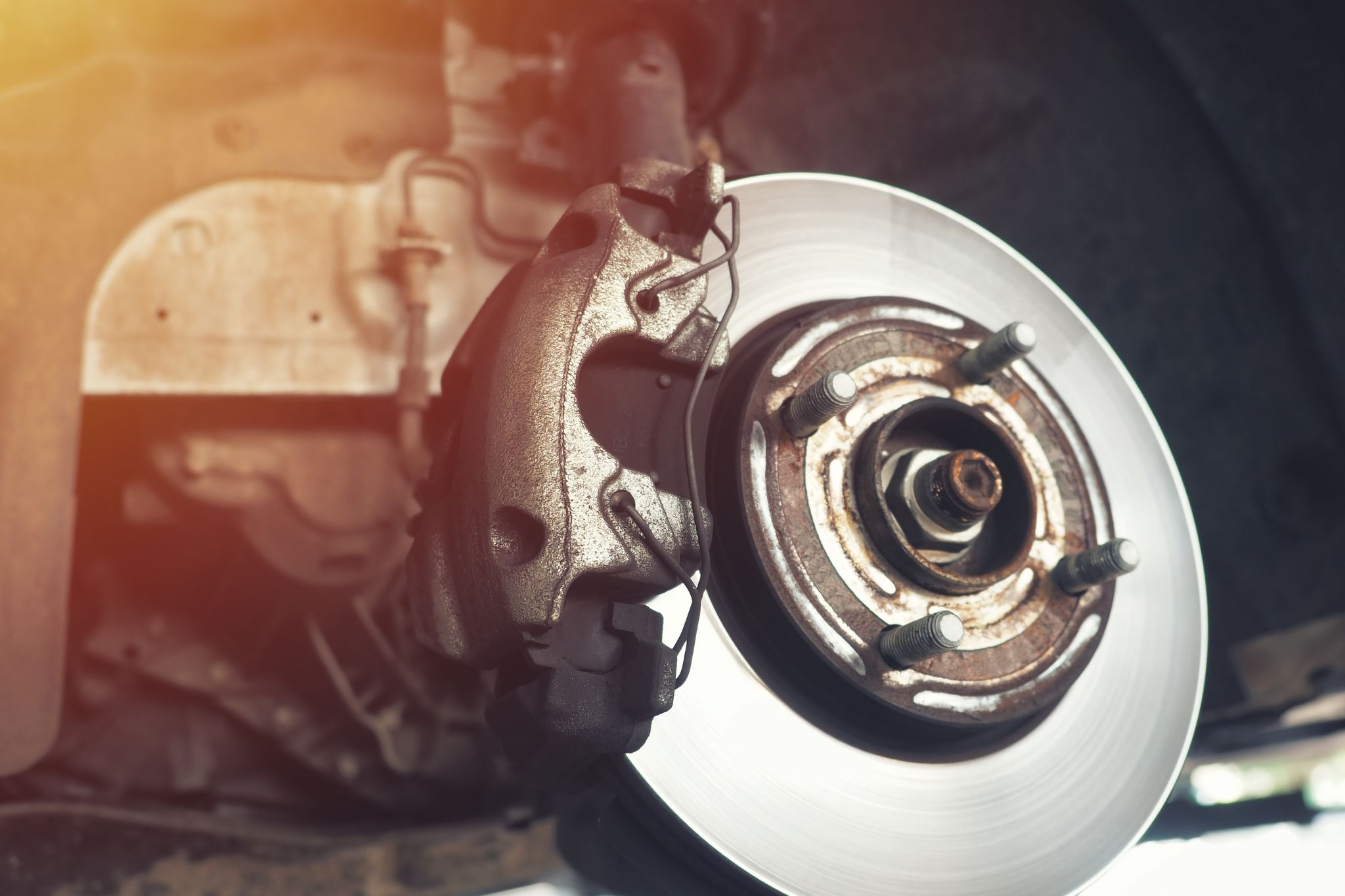
You’re driving down the road, and everything’s going great. The sun is shining, the birds are singing, and then all of a sudden you hear a loud noise and your car starts shaking. You pull over to the side of the road to take a look, and it doesn’t take long to realize that your wheel bearing is bad. But does this mean you have to replace your transmission too? In short: maybe. A bad wheel bearing can definitely cause problems with your transmission, but it’s not always guaranteed. There are a few things you can do to help determine whether or not your wheel bearing is causing your transmission issues. Keep reading for more information on identifying and fixing problems with your wheel bearing—and hopefully avoid a costly trip to the mechanic. What Is a Wheel Bearing? A wheel bearing is a part of the car that helps the wheel spin. It’s a small part, but it’s important. If the wheel bearing goes bad, it can cause all sorts of problems with the car. Your transmission is one of those problems. A bad wheel bearing can cause the transmission to slip out of gear. It can also cause the transmission to overheat. If your car starts making strange noises, or if you start having trouble shifting gears, you might have a bad wheel bearing. How Do You Know If Your Wheel Bearing is Going Bad? If your wheel bearing is going bad, you may start to hear a loud grinding or growling noise coming from the wheel area of your car. This noise can become louder and more frequent as the wheel bearing continues to degrade. You may also experience vibrations from the wheel area as well. Another sign that your wheel bearing is going bad is that it may feel like the car is pulling to one side when you are driving. This could be caused by the increased friction caused by a damaged wheel bearing. It is important to note that these symptoms can also be caused by other problems, so if you think you may have a bad wheel bearing, you should have it inspected by a professional. A mechanic will be able to accurately diagnose the issue and make sure that your wheel bearing is in proper working condition. Can a Bad Wheel Bearing Cause Transmission Problems? A bad wheel bearing can cause transmission problems if left unchecked for too long. It is important to be aware of the signs of a bad wheel bearing, such as a loud noise coming from your wheels or difficulty turning the vehicle, and to have it looked at by a mechanic if you suspect it is causing transmission problems.  A wheel bearing is a set of steel balls held together by a metal ring, located in the hub of your vehicle’s wheel. They are responsible for supporting the weight of your car, while also allowing it to turn freely. When these bearings start to wear out, they can cause a number of problems that affect the performance of your vehicle, including transmission issues.  The most common sign that you may have a bad wheel bearing is a loud noise coming from the wheels while driving. This noise is often described as a grinding or humming sound, and it will typically get louder as your speed increases. You may also experience an uneven ride, vibrations, and difficulty turning the vehicle.  While the symptoms of a bad wheel bearing can be similar to those of transmission problems, there is one major difference: a bad wheel bearing won’t affect the gear shifts of your car. If you are experiencing transmission problems and suspect a bad wheel bearing is to blame, it’s important to have it looked at by a mechanic.  Fixing a bad wheel bearing is relatively easy and cost-effective. It involves replacing the entire bearing and then lubricating it to prevent further wear. If you suspect you have a bad wheel bearing, it’s important to have it looked at by a mechanic as soon as possible to avoid any further damage to your vehicle.   What Causes a Wheel Bearing To Fail? You may be wondering, “What causes a wheel bearing to fail?” A wheel bearing failure can be the result of several factors, including excessive wear, old age, water or dirt infiltration, or improper installation. If you’re experiencing any of the following symptoms, it’s likely that your wheel bearings need to be serviced or replaced: unusual noise coming from the wheel area, vibration through the steering wheel or floorboard, hesitation when accelerating, or a burning smell. If you’re not sure whether or not your wheel bearings need to be serviced, it’s best to take your vehicle to a qualified mechanic for diagnosis. What Problems Can Wheel Bearings Cause? A bad wheel bearing can cause a lot of problems. Firstly, it can cause a loud grinding noise when the car is in motion. It can also create a vibration in the steering wheel and make driving uncomfortable. Furthermore, it can damage other components of the car, such as the transmission and suspension system, leading to more serious problems. All of these issues can be costly to fix and should be addressed sooner rather than later. Conclusion When it comes to car repairs, it’s important to know the basics. If you’re experiencing problems with your transmission, it’s important to know the possible causes. 

Can I Drive Long Distance With A Plugged Tire?

can i drive long distance with a plugged tire

Can I drive long distance with a plugged tire? Are you an adventure seeker who loves hitting the open road and exploring new destinations? But what happens when a flat tire puts a damper on your plans? Don’t worry, we’ve got you covered! In this blog post, we’re tackling a common question that plagues many road trippers: can you drive long distances with a plugged tire? The answer may surprise you, and we’ve got all the information you need to stay safe and keep your adventure on track. So buckle up and get ready to hit the road with confidence, because we’re about to dive into everything you need to know about driving with a plugged tire! Can I Drive Long Distance With A Plugged Tire If you blow a tire while on a journey, it can really be a source of immense worry. Well, now,  there are really quick options via which the problems of blown or punctured tires can be resolved easily and in no time too. One of these quick-fix tire repairs is tire plugging. However, tire plugging is meant for only short time uses until you can make any arrangements for a more long-lasting or permanent solution. The question is, though tire plugging is meant to be temporary only, can you travel long distances with it? So, can I drive long distances with a plugged tire? It’s not advisable to drive long distances with a plugged tire. Driving on a plugged tire can cause problems with your vehicle’s handling and can also lead to a blowout. If you must travel long distances with a plugged tire, be sure to check your tire pressure regularly and avoid heavy traffic. A plugged tire can be a serious safety hazard, especially if you’re driving long distances. If you have a plugged tire, it’s important to get it fixed as soon as possible If you must drive with a plugged tire, be sure to keep your speed low and avoid driving for extended periods of time. Can tire plug go bad? The whole procedure of plugging a tire can at best be described as crude. To give further clarification on this claim, in order to plug your tire, you simply rip out whatever punctured your tire, before you roughened up the puncture hole with a sharpened tool, and finally insert a sticky substance that firmly adheres to anything it touches, which in this case is the tire. This goopy and sticky mess that is used in plugging tires can dry off, expire, get damaged, or attract other substances that can also injure your tire too. So, yes, a tire plug can indeed go bad. Can you plug a tire twice? You are really not recommended to try plugging a tire more than once. Despite this advice, some people still do it. But is that really safe? Well, for what it is worth, if you already have a plugin for your tire, a second plug is naturally going to increase the chance of more damage subsequently, right? There are repair shops that will not do a second repair if the holes are in close proximity to each other. However, such repair shops may give you the option of a replacement tire, if it is covered in your warranty agreement. Trending Searches When should you not put a tire plug in your tire? Without any doubt, tire plugs can help you whenever you are either stranded or in dire need of help to enable you to get back on the road as quickly as possible, but there is a limit or restriction of where you can or cannot use them, regardless of any situation you may be faced with. First, you are not advised to use any tire plug in situations where the hole or injury in your tire is more than 1/4 inch in diameter.  Similarly, if your tire gets injured very close to its sidewall, you are also not advised, in your own interest, to use a tire plug too. Finally, refrain from using tire plugs in tires that are weak or nearing their expiration time. Is it safe to drive with a plugged tire? Is it safe to drive on a plugged tire? Yes, it is, provided it is not for a long distance and is also for a short period of time. In addition to this, you are not advised to drive with a plugged tire if the size of the puncture is close to or within the sidewall of the tire. Furthermore, do not drive on any tire with a plug that seals a hole of more than 1/4 inch in diameter. Finally, you are also not advised to drive with a plugged tire on a vehicle that is carrying much load or anything that may overwhelm the strength of the already weakened tires. How long does a tire plug last? You may be wondering, how long will a plugged tire last? Basically, you must not forget that a tire plug is generally meant to be a temporary solution to tire issues that will enable you to just get off the road and out of harm’s way or to get you to an auto shop for more permanent assistance. However, some experts are of the opinion that a tire plug can actually last as long as 7 to 10 years if well-fixed. Regardless of this opinion, you are strictly not advised to use a plugged tire for any unnecessary length of time; use it only long enough to either get off the road, avoid any accident, or just until you can get a more lasting repair, but not for anytime longer than this. (Read Also: Does Discount Tire Do Leveling Kits? Find Out Here!) How long do you wait after plugging a tire? It is said that you can wait for not more than a minute or two at the most, in order for the sticky substance in your plugged tire to get fully set and … Read more

Will Dodge 8-Lug Wheels Fit Chevy [Here’s The ANSWER]

Will Dodge 8-Lug Wheels Fit Chevy

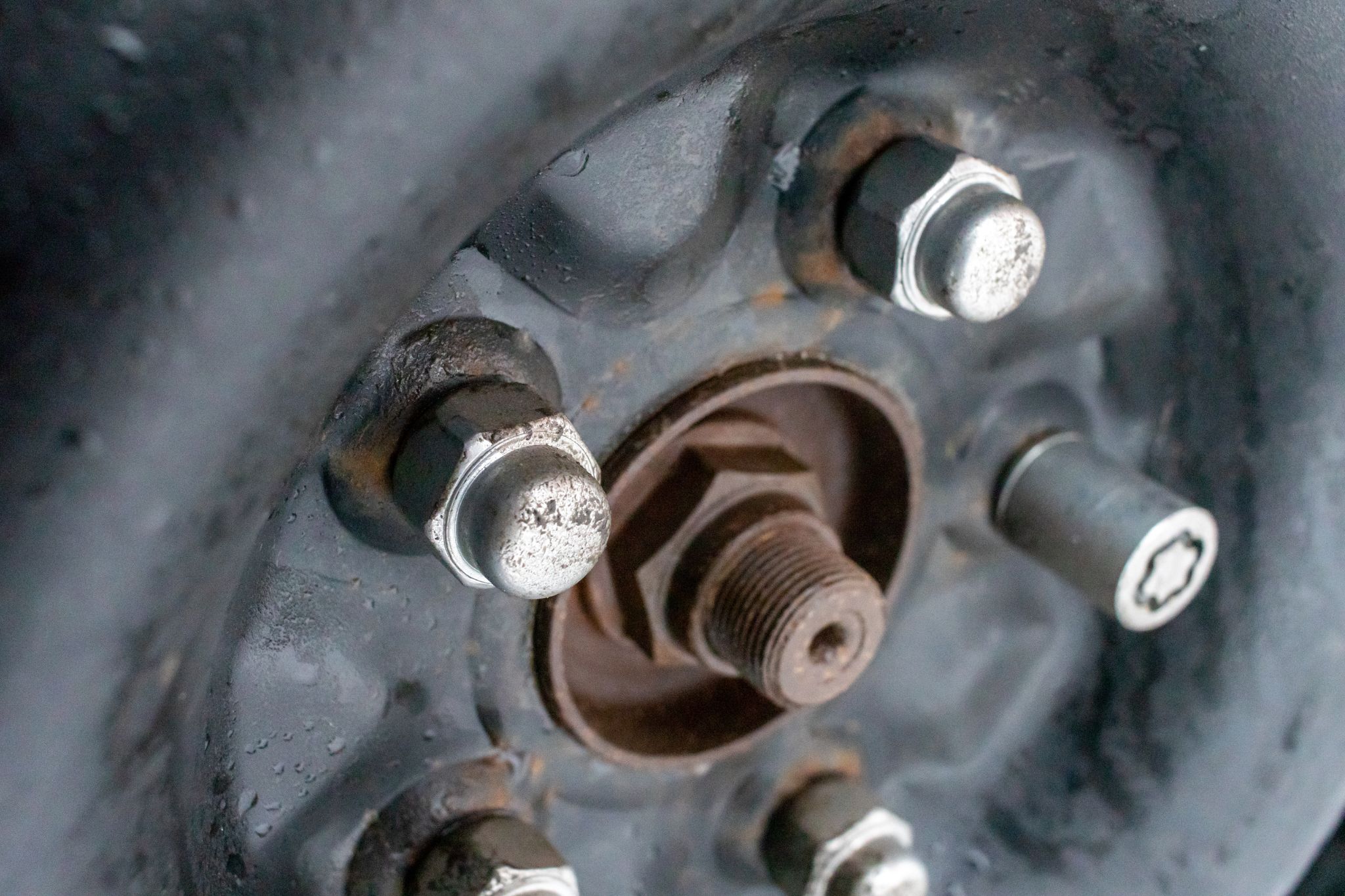
Putting Dodge 8-lug wheels on a Chevy car is a terrific way to customize the look of your ride and, in certain cases, improve its performance. Although it’s hardly rocket science, you should familiarize yourself with the fundamentals before diving in. Wheel compatibility, wheel size, wheel offset, tire size, and the required hardware are just some topics we’ll cover in this post about installing Dodge 8-lug wheels on a Chevy car. We’ll also talk about some potential problems that could develop and how to circumvent them. Understanding Lug Patterns (What is Dodge 8 lug bolt pattern) The term lug pattern refers to the arrangement of the bolts on a wheel, specifically the number and spacing of the lug nuts. Regarding compatibility, lug patterns are crucial because they determine how well a given set of wheels will mount to a given vehicle. 4, 5, 6, and 8-lug patterns are the most typical. There are eight bolts in a circle with a diameter of 6.5 inches; this is the Dodge 8-lug bolt pattern. The Ram 2500 and 3500, two of Dodge’s largest pickups, use this bolt pattern. Some Ford and GM pickups also use this bolt pattern, but you should still double-check before buying a set of wheels. Ensure the bolt pattern, center bore diameter, offset, and load rating of the wheels you buy are compatible with your Dodge 8-lug bolt pattern vehicle. Ensure the lug nuts are the right size and thread pattern for your wheels. Will Dodge 8 Lug Wheels Fit Chevy? So, will dodge 8-lug wheels fit chevy? There’s no way to make Dodge 8-lug wheels work on a Chevy car, period. Dodge and Chevy’s automobiles have different wheel lug layouts. Therefore, the wheel studs won’t line up. It’s also possible that the wheels won’t fit the wheel wells, as Dodge and Chevy’s vehicles typically have differing wheel well sizes. Wheel adapters are purchased to allow Dodge 8-lug wheels to be used on a Chevy car. Wheel adapters are only encouraged for some cars due to the additional weight and stress they place on the wheel studs. A qualified mechanic is consulted before installing wheel adapters.  Factors to Consider • Specific Chevy Model: The type of radio that will work in your Chevrolet will vary depending on the make and model of your car. • Adaptors or Modification: To make a radio work in your Chevy, you might need to buy an adaptor or adjust the dashboard. • Installation: Whether or not the Chevy radio can be installed by yourself or whether or not you require expert assistance installing it will depend on the specific model you have. • Pre-Wired Radios: You should check to see if your Chevy model supports pre-wired radios. • Compatibility: The compatibility of the radio with the car’s speakers, amplifier, and other audio components is another factor to consider. Potential Problems and Solutions Several problems could occur while attempting to mount Dodge 8-lug wheels on a Chevy. To begin, incompatibilities may exist between lug patterns. The standard lug pattern for Chevy wheels is 8 x 180mm, while the standard for Dodge is 8 x 6.5″. Because of this, the wheel’s holes won’t match up with the studs on the car. In addition, the hub bore size may vary. In most cases, 8-lug Dodge wheels won’t fit over a hub because the hub bore size differs from Chevy wheels. These problems, however, have a few viable answers. Wheel adaptors are the go-to for this problem, as they ensure a correct fit by adjusting the lug pattern, hub bore size, and offset. There are adaptors available at low cost at most car outlets. Having a set of unique wheels created is another option. While this is more expensive than utilizing adaptors, you get wheels that were made for your car. The wheels won’t rub or cause any other problems if they fit like this. The use of adaptors or specially-made wheels may be necessary, but it is possible to mount Dodge 8-lug wheels on a Chevy. It’s important to do this so that the wheels fit snugly and without causing any problems. Advantages and Disadvantages Advantages Disadvantages  Compatibility of Tires Chevys cannot use 8-lug Dodge tires. Dodge wheels have a different lug pattern (number and arrangement of lug bolts) than Chevy wheels. Even though vehicles have the same number of lug bolts, their layouts differ. Varying cars have different center bores or holes in the wheels. Thus, Chevy vehicles should not use 8-lug Dodge tires. Chevy vehicles with 8-lug Dodge wheels require careful consideration of vehicle size, weight, and driving habits to choose the best tire size and type. How to choose tires for a Chevy with 8-lug Dodge wheels First, establish the 8-lug Dodge wheel tire size. Wheel size and load capacity should match tire size. Consult the vehicle’s owner’s handbook or manufacturer’s website for the recommended tire size. Online tire size calculators and wheel manufacturer calculators are also available. After determining the tire size, you may pick the best tire for the car. All-season tires are suitable for street driving. Performance tires boost grip and cornering but may be too harsh for daily driving. Off-road tires are superior in mud but wear out faster on the pavement. Conclusion Fitting Dodge 8-lug wheels on a Chevy automobile may cause compatibility issues. Knowing the lug pattern and hub size and securing the wheels is vital. Consider tire size and offset. Before installing, consult a professional or check the wheels’ Chevy automobile compatibility.

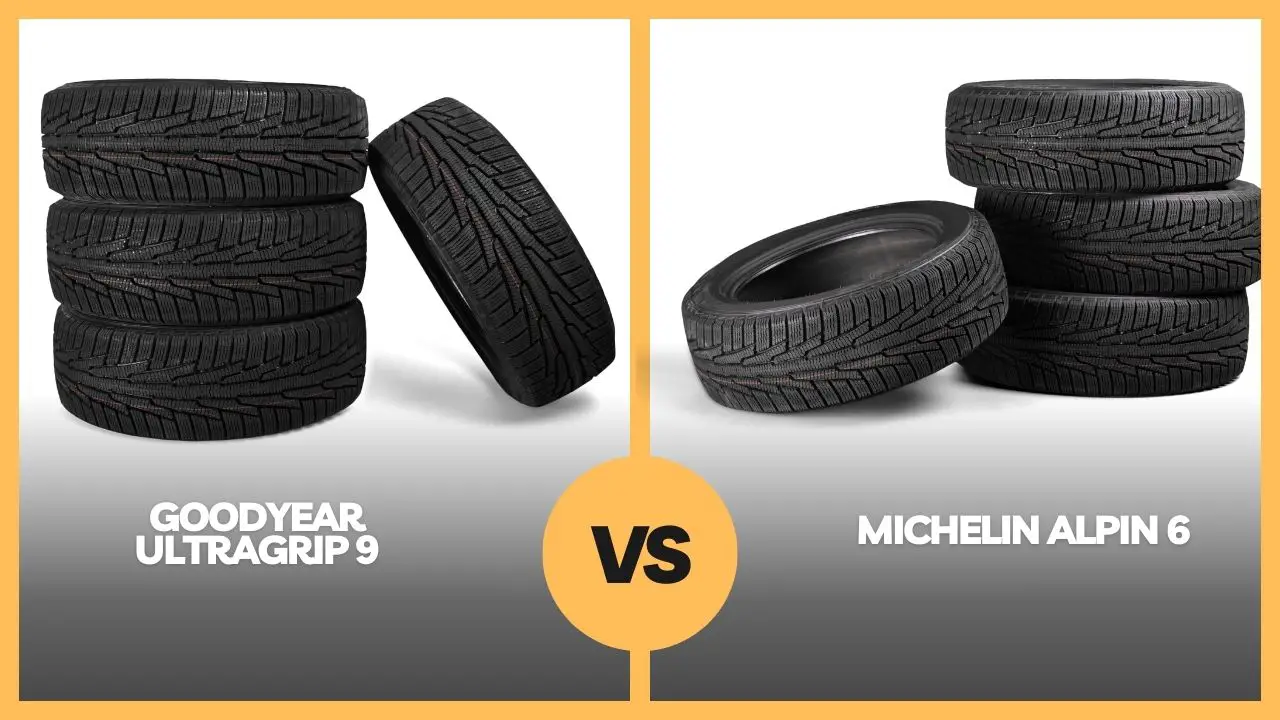
Goodyear Ultragrip 9 vs Michelin Alpin 6: The Ultimate Winter Tire Showdown

goodyear ultragrip 9 vs michelin alpin 6

Are you in search of the perfect winter tires for your vehicle? Look no further! In this blog post, we will be comparing two popular options: the Goodyear UltraGrip 9 and the Michelin Alpin 6. So, if you’re wondering which tire will provide the best performance and safety during the cold winter months, keep reading! When it comes to winter driving, having the right tires can make all the difference. The Goodyear UltraGrip 9 and the Michelin Alpin 6 are both highly regarded options in the market, known for their exceptional traction and handling on snowy and icy roads. But there’s more to consider than just their reputation. From tread design to rubber compound, these tires have unique features that set them apart. So, let’s dive deeper into the world of winter tires and explore what makes these two options stand out from the rest. The Historical Journey of goodyear ultragrip 9 Goodyear Ultragrip 9 is a winter tire that was introduced by Goodyear, a renowned American tire manufacturing company. It was first launched in 2016 as an upgrade to its predecessor, the Ultragrip 8. The Ultragrip 9 was designed to provide enhanced performance and safety in winter conditions, offering excellent traction on snow and ice-covered roads. The key range of products offered by Goodyear Ultragrip 9 includes various sizes and specifications to fit different vehicles. These winter tires are available for passenger cars, SUVs, and vans, catering to a wide range of customers. The Ultragrip 9 tires are known for their advanced tread pattern, which features a high number of biting edges to improve grip on slippery surfaces. Additionally, they incorporate Goodyear’s innovative SnowProtect Technology, which enhances traction and handling in winter conditions. Goodyear Ultragrip 9 has become a popular choice among drivers seeking reliable winter tires. Its introduction marked a significant advancement in Goodyear’s winter tire lineup, offering improved performance and safety features. With its wide range of products, including different sizes and specifications, the Ultragrip 9 continues to provide drivers with enhanced traction and control during winter months. The Historical Journey of michelin alpin 6 Michelin Alpin 6 tires were first introduced in 2018 as the latest addition to Michelin’s renowned Alpin range. These winter tires were specifically designed to provide exceptional performance and safety in cold weather conditions. With a focus on improved grip, traction, and braking on snow and ice, the Alpin 6 quickly gained popularity among drivers in regions with harsh winter climates. The Michelin Alpin 6 range includes a variety of tire sizes to fit different vehicles, from compact cars to SUVs. These tires feature an innovative tread pattern with a high-density sipe system, which enhances grip on slippery surfaces. The Alpin 6 also incorporates Michelin’s EverGrip technology, ensuring consistent performance throughout the tire’s lifespan. Additionally, the tires are designed to reduce rolling resistance, resulting in improved fuel efficiency. Overall, Michelin Alpin 6 tires have become a trusted choice for drivers seeking reliable winter performance. With their advanced technology and wide range of sizes, these tires offer enhanced safety and handling in snowy and icy conditions, making them a popular option for those living in regions with challenging winter weather.   In a hurry here are our top 6 tire recommendations: Best Budget Tires Best Mid-Range Tires Best All-Season Tires Best Summer Tires Best Winter Tires Best Performance Tires goodyear ultragrip 9 : Pros and Cons When it comes to tire selection, every tire brand showcases a distinct array of advantages and disadvantages. Below are the pros and cons of goodyear ultragrip 9 Pros: – Excellent traction on snow and ice – Good handling and stability on wet and dry roads – Low rolling resistance for improved fuel efficiency – Long-lasting tread life – Quiet and comfortable ride Cons: – Slightly higher price compared to other winter tires – Limited availability in certain sizes – Some users report reduced performance in deep snow compared to dedicated snow tires michelin alpin 6 : Pros and Cons When it comes to tire selection, every tire brand showcases a distinct array of advantages and disadvantages. Below are the pros and cons of michelin alpin 6 Pros: – Excellent traction on snow and ice – Enhanced braking performance in winter conditions – Long-lasting tread life – Low road noise and comfortable ride – Fuel-efficient design Cons: – Higher price compared to other winter tires – Limited availability in certain sizes – Less responsive handling on dry pavement Comparison: goodyear ultragrip 9 vs michelin alpin 6 Key Differences When comparing goodyear ultragrip 9 and michelin alpin 6, there are several key differences to consider. These differences include pricing, warranties, fuel efficiency, comfort, wet performance, dry performance, winter performance, and noise performance. Check out these other comparisons. Let’s now dive deeper into how goodyear ultragrip 9 and michelin alpin 6 perform in each of these key focus areas. Pricing: – Goodyear Ultragrip 9 is generally more affordable than Michelin Alpin 6. – Goodyear Ultragrip 9 offers good value for money with its lower price point. – Michelin Alpin 6 is priced higher, reflecting its premium quality and performance. – Michelin Alpin 6 may provide better traction and handling on snow and ice due to its advanced technology. – Goodyear Ultragrip 9 may be a more budget-friendly option for those looking for decent winter performance without breaking the bank. Warranties: – Goodyear Ultragrip 9 offers a standard warranty of 2 years from the date of purchase or until the tire reaches a tread depth of 2mm. – Michelin Alpin 6 provides a standard warranty of 3 years from the date of purchase or until the tire reaches a tread depth of 1.6mm. – Michelin Alpin 6 also offers an additional mileage warranty, which guarantees a certain number of kilometers before the tire wears out, depending on the specific model. Goodyear Ultragrip 9 does not have a mileage warranty. Fuel Efficiency: – Goodyear UltraGrip 9 offers improved fuel efficiency due to its low rolling resistance compound. – Michelin Alpin 6 … Read more