Can Tire Rotation Throw Off Alignment?Find Out

Can tire rotation throw off alignment

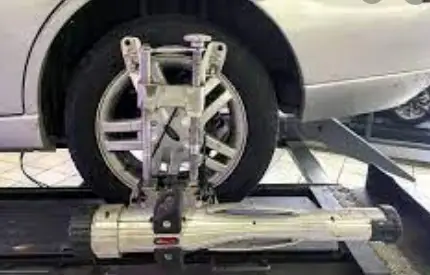
 It is recommended that you rotate your tires regularly, in order to make sure that they wear evenly, as well as to get maximum comfort and traction on the road as you drive along. Tire rotation is equally known to be good for efficient braking functions. But, does tire rotation affect alignment? Rotating your tires does not in any way affect your wheel alignment. In fact, it is even recommended that you do it often to assist in checking tire wear and tear. If you fail to rotate your tires regularly, the treads can wear down unevenly in order to create a sort of tough and potentially unstable driving surface. In the end, this type of tire tread wear is quite capable of decreasing your driving safety, heat buildup, hydroplaning, poor traction in either snow or ice, and heightened risk of punctures and blowouts. Is it bad to drive with bad alignment? If the wheels on your car are not properly aligned, it is capable of causing your tires to wear out much faster and unevenly too. In extreme cases, you may even see your steering wheel pulling to one side or direction. This tendency is potentially very dangerous, especially if you are driving in the rain and the vehicle hydroplaning. Essentially, therefore, it is not only bad to drive with bad alignment, but also risky and potentially very dangerous too. How do you do tire alignment? You can align your tires at home easily, and all the tools you may need to do that are a piece of rope or tape, a wrench and a few other items. To do this, go through the following steps: (1). In order to check the toe, park the vehicle on level ground with its tires facing straight ahead and the steering wheel centered. (2). Then, measure from line to line with the tape level with the floor. (3). Measure once again on the back sides of the tires. (4). If your steering wheel has already been centered, adjust the tie rods on each side by the same amount. This should do it. Trending Searches How Do You Use The Acura Flat Tire Repair Kit? How Much Tire Sidewall Damage Is Too Much? How To Fix ATV Tire Leaking Around The Rim With Steps What are the signs that your car needs alignment? The very first thing you are bound to observe whenever your car needs an alignment is its tendency to pull to either side of the road against your control through the steering wheel. There is also the possibility of uneven or accelerated tire wear. It is not uncommon for bad alignment to manifest as noisy steering while in motion, and your tires may produce a sort of squealing noise too. Finally, the steering wheel can become rather crooked even when you are driving straight.(Read Also: Does Discount Tire Do Leveling Kits?Find Out Here!) Do tires need an alignment after rotation? Rotation does not in any way affect wheel alignment. If anything, rotation is liable to prevent your tires from premature and uneven wear in your tires. It is for this reason that you are recommended to do it often by most vehicle manufacturers. Can rotating tires throw off balance? No, it cannot. If rotation of tires does anything to the balance of any vehicle, it only improves it. This is basically because when you regularly rotate your tires as recommended by the manufacturers, your tires are bound to wear evenly and your suspension system will also be more effective and likely to last longer as well. All these factors put together to give your car more stability and balance while in motion. So, yes, tire rotation does not throw off balance but rather improves it. Can a pothole throw off alignment? Yes, it can. If you happen to hit the pothole hard enough and particularly when driving at high speeds, the impact is very capable of causing a dent in the wheels of your vehicle, which will translate into poor alignment in the affected wheel(s). (Read Also: How Long Will Tires Last With Cords Showing?) Why does a car pull to the right after rotation? It is not uncommon for vehicles to pull to either the right or left side of the road even just after an alignment. This is caused by several factors. (Read Also: Will Water In A Tire Evaporate?Find Out Now) First, your car may pull to the right when the air pressure in the tires is not even. Second, your alignment has not been done properly, and because of that, your vehicle tends towards the right. It is also possible for your car to turn right while driving when you are having issues with your brake system, bad wheel bearing, and also when the suspension or steering parts are equally worn out. Frequently asked questions (FAQ) Do you need alignment every time you rotate tires? No, you don’t. This is because rotating vehicle tires do not in any way tamper with the alignment of the wheels. If for anything, a tire rotation will only balance the vehicle more, as well as give it more stability and improved traction. You are only advised to align your vehicle tires after installing new ones but not after an ordinary tire rotation. When should you re-align tires? It is recommended that you align your vehicle tires the moment you observe or feel certain  symptoms which include: (1). If you notice any uneven, accelerated, or premature tire wear. (2). Your steering wheel becoming crooked, especially when you are driving straight. (3). If the steering becomes noisy while driving or manoeuvering the vehicle. (4). If the car tends to pull to either side of the road ( left or right). (5). If your tires squeal un-necessarily. Can you rotate tires often? How often you rotate tires actually depends on how much you use the vehicle or for how long. Nevertheless, most vehicle manufacturers recommend that you should get your tires rotated … Read more

Are Shinko Tires Run Flat? The Truth [Uncover the Facts]

Run Flat29

Are Shinko tires run flat? When it comes to tire safety and performance, the question of whether Shinko tires are run flat is a common one among drivers. Understanding the capabilities of your tires is crucial for maintaining a safe and reliable driving experience. As we explore the technology behind Shinko tires, it’s important to consider the various factors that contribute to a tire’s ability to run flat. From innovative design features to advanced materials, the world of tire manufacturing is constantly evolving to meet the demands of today’s drivers. Understanding how Shinko tires fit into this landscape is key to making informed decisions about your vehicle’s performance and safety. Highlights: Shinko Tires do not offer run-flat tires Run-flat tires provide safety and convenience Shinko run-flat tires can be repaired by qualified professionals Are Shinko Tires Run Flat? Shinko Tires do not offer a specific run-flat tire in their product lineup. Run-flat tires are designed to allow a vehicle to continue driving safely for a limited distance after a puncture, while Shinko focuses more on high-performance and off-road motorcycle tires. While Shinko Tires may not have run-flat technology, they offer a range of durable and reliable tires for various riding styles and conditions. If you’re in the market for run-flat tires, it’s important to consider other reputable brands that specialize in this technology. Run-flat tires are popular for their safety features and peace of mind, especially in emergency situations. While Shinko Tires may not have run-flat options, there are other manufacturers that provide this specific type of tire to meet your needs. You May Also Like: Are Summit Tires Run Flat? Are all Shinko Tires Run Flat? No, not all Shinko tires are run-flat tires. Shinko offers a variety of tire options, including run-flat tires, but they also have traditional tires that do not have run-flat capabilities. It’s essential to check the specific tire model and product specifications to determine if it is a run-flat tire. When considering Shinko tires, it’s important to understand the differences between run-flat and traditional tires. Run-flat tires are designed to support the vehicle’s weight for a limited distance, even after a puncture, allowing the driver to reach a safe location for repair. If run-flat capabilities are a priority, be sure to look for the specific designation when selecting Shinko tires for your vehicle. Benefits of Run-Flat Tires Run-flat tires offer a range of benefits for drivers, including increased safety and convenience. By allowing you to continue driving for a limited distance after a puncture, run-flat tires reduce the risk of being stranded on the side of the road. This can be especially valuable in emergencies or when driving in remote areas without easy access to help. In addition to the safety benefits, run-flat tires also provide peace of mind and convenience for drivers. With run-flat tires, there’s no need to pull over and change a tire in unsafe or unfamiliar areas, allowing you to continue driving to a safe location or a nearby service center. This can save time and hassle, making run-flat tires a valuable investment for many drivers. Also Read: Are Ironman Tires Run Flat? How Long Can Shinko Run-Flat Tires Last?? Shinko run-flat tires are designed to provide extended durability and reliability for drivers. These specialized tires are engineered to run for up to 50 miles at speeds of up to 50 mph, even after a puncture or loss of air pressure. This allows drivers to safely reach a tire repair facility or continue their journey without the need for an immediate tire change. The lifespan of Shinko run-flat tires can vary depending on factors such as driving habits, road conditions, and maintenance. Proper care and regular inspections can help extend the longevity of these tires. With regular monitoring and maintenance, Shinko run-flat tires can provide lasting performance and peace of mind for drivers in need of extra reassurance on the road. Can You Repair Shinko Run-Flat Tires? Yes, Shinko run-flat tires can be repaired, but it’s important to note that not all tire repair shops are equipped to handle run-flat tires. These tires are designed to be driven on for a limited distance after a puncture, so they have reinforced sidewalls to support the weight of the vehicle. It’s crucial to have any repairs done by a professional who is familiar with run-flat tire technology and can ensure the integrity and safety of the tire. If you do experience a puncture in a Shinko run-flat tire, it’s best to have it inspected by a qualified tire technician as soon as possible. Driving on a punctured run-flat tire for an extended period can cause further damage and compromise its ability to function as intended. Additionally, it’s essential to follow the manufacturer’s guidelines for tire repair and maintenance to ensure the continued performance and safety of the run-flat tire. Can you replace run-flat tires with regular tires? Yes, run-flat tires can typically be replaced with regular tires. However, it’s important to consider a few factors before making the switch. Run-flat tires are designed to support the weight of a vehicle after a puncture, so if you do decide to switch to regular tires, you may also need to invest in a spare tire and jack for emergencies. Additionally, run-flat tires are often equipped with a tire pressure monitoring system (TPMS), which may need to be recalibrated or replaced for the new tires. It’s also essential to ensure that the regular tires chosen for replacement are compatible with your vehicle’s specifications. Consulting with a professional mechanic or tire specialist is recommended to determine the most suitable replacement tires for your specific make and model. Overall, while it is possible to replace run-flat tires with regular tires, it’s crucial to carefully consider the potential implications and take appropriate measures to ensure safety and performance. Also Read: Are Michelin Tires Run Flat? Final Thoughts In summary, Shinko tires do not offer a specific run-flat option in their product lineup. While they focus on high-performance … Read more

Is It Bad For Your Tires To Rub?Find Out Now

Is it bad for your tires to rub

It is only logical to reason that,  whenever your tires rub against each other or any nearby object, they are definitely going to waste away with dangerous consequences in some instances. As a result of the danger that rubbing portends, you should always make sure that they do not rub through regular inspection and timely vehicle maintenance. Yes, it is really bad for your tires to rub against anything else other than the road on which you are driving. Rubbing of tires commonly happens when you are using either oversized tires or tires of the wrong size in either height or width. Rubbing of tires can also cause hazardous tire damage, which includes slicing of the tire sidewall, and/or damage to other expensive vehicle components. Rubbing tires are dangerous which can lead to a tire blowout. Luckily, this can be prevented when you use tires of the correct sizes that match the wheels of the vehicle. How do you know if your tires are rubbing? First and foremost, if your tires are rubbing, you are certain to observe rub marks on them at the points where contact is made with any other object. Secondly, the tires may produce an irritating and persistent noise while the vehicle is in motion. Thirdly, the rubbing tires may give off the smell of burning rubber too. How do I stop my tires from rubbing? In order to prevent your tires from rubbing, you should use the correct size wheel and offset. Always ensure that your tires are a perfect fit for the wheels in both their height and width. In addition, listen to any abnormal sounds that may come from them while driving, and conduct regular inspection of the tires and vehicle, just in case. Does tire width or height cause rubbing? Yes, they certainly do. Engage off-road long-travel front and rear tires with tall tires, only when your suspension is stuffed, or else the taller tire may rub on the inner fender walls whenever the wheels go up on turns, and the inner corner sidewall may end up rubbing on the frame as well. In addition, if the rim is wider than the stock, there may not really be enough space for the ball joint or steering arm to allow half the extra width to go inside the wheel properly. In some cases, it may even rub against the fender itself. Worse still, any significant size changes can upset the steering geometry and lead to overstraining the wheel bearings. Trending Searches How do you check for tire rubbing? If you want to check for tire rubbing, the best way to go about it is by inspecting to see the presence of rub marks on the tires, which will visibly show at the point(s) of contact with any other object. Will wheel spacers fix tire rub? In situations where the wheel offset is not a proper match, then the tire rubbing is almost certain. Though wheel spacers can be used for aesthetic purposes, performance improvement, and fitment issues, they can still effectively prevent rubbing too. They do this by allowing a larger wheel and tire to be adequately fitted without rubbing, by creating enough space or clearance to the interior wheel components. What causes tires to rub? Tires commonly rub when they are not the correct size in either their height or width or even both. To avoid this from happening,  always make sure that you use the recommended size of tires in all aspects as instructed by the manufacturers in the user manual. Sometimes also, your tires may rub when certain vehicle components, such as the fenders, for instance,  are either loose or not of the correct shapes and sizes. When the tires themselves are loose, they are liable to become wobbly, which is certain to cause rubbing as well. Your style of driving can also play a crucial role in making your tires rub on any nearby vehicle components or neighbouring tires too. How to fix rubbing tires? The first and most important thing to do, if you must fix any rubbing tires, is to make sure that you are using the correct size of tires in all their dimensions such as heights or widths. Secondly, make sure that neither the tires nor any nearby vehicle components are loose and wobbly. Thirdly, drive carefully within normal speed limits and apply the brakes gently and as at when that is absolutely necessary only. In addition, you are likely to prevent your wheels from rubbing if you are not using a rim that is wider than the stock, a situation that may not leave enough clearance to the ball joint or steering arm to allow the extra width to go through. Finally, make sure that you do not get the offset or backspacing wrong too when you are procuring and installing any new wheels. Frequently asked questions(FAQ) Is it bad for wheels to touch curb? Not necessarily, but putting needless wear in your steering rack, tie rods, and tires is bad. Should you keep parking your vehicle like that, it is unavoidable you may end up scratching your rims as well if you are parking the vehicle with low profile tires. It is therefore suggested that you park the vehicle at least one foot to six inches from the curb always to prevent that from happening. What happens if you scrape your tire? If you only rub the curb with one tire or scuff the sidewall, you can simply drive away as though nothing has happened. Whereas,  if you are constantly grinding its sidewall against concrete, it can actually affect your tire by scraping so much rubber off such that it can become dangerously thin or flimsy, a situation that is commonly referred to as ‘curb rash. Does negative offset cause rubbing? Yes, it does, especially if you get the offset or backspacing wrong when you are procuring and installing a new set of wheels for any vehicle. In this case, you obviously … Read more

Is Uneven Tire Pressure Bad?

Is uneven tire pressure bad

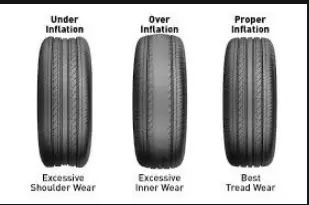
Is Uneven Tire Pressure Bad? Anything related to effective and safe tire pressure in your vehicle must not be treated with levity for the significance of tires in your driving safety. For this reason, you are always enjoined to make sure that tire air pressures are at their very best all the time. How then is uneven tire pressure in your driving safety? This question, and several others,  will be treated in due course. First and foremost, you are recommended to set the pressure in all your tires according to the manufacturer’s instructions. Notably, any uneven tire pressure is bound to lead to uneven and accelerated tire wear, which in turn can cause uneven traction. In addition, it can lead to instability in the vehicle, since the tires are designed to flex, which is capable of causing the tires to flex differently. As a result, any differences in tire pressure between the front and rear tires is unacceptable and bad. Even car manufacturer’s do not usually set them up that way in most cars, though some do it depending on the type of car. Where that is done, it is more of a technical adjustment for varying driving styles. Again, you are not advised to drive with either low or uneven tire pressure because that is very capable of causing you to lose control of the vehicle, especially when at high speeds, thereby endangering yourself, your passengers and others on the road as well. Additionally, low tire pressure will negatively affect your fuel economy too and cause tires to wear out much faster than they ought to. Trending Searches What happens if one tire has more air pressure than the others? Whenever one tire has a different air pressure inside it than the others, several things are bound to happen. First, your vehicle is bound to suffer from bad traction while driving. Second, your tires are also liable to wear out faster and prematurely too. Third, it is also capable of making you lose control of the vehicle, particularly when driving at high speeds. In essence, always maintain your tire pressures evenly according to the recommendations of the manufacturers or as specified in the user manual. When should you worry about tire pressure? You should start worrying whenever your tire pressure is either below or above the pressure recommended by the manufacturers for your type of vehicle. This is because any marked difference can lead to a number of problems such as accelerated tire wear, loss of traction or losing control of the vehicle while driving. You may also risk damaging your tire entirely at certain excessive tire pressures. Therefore, always make sure that your tire pressure does not exceed or fall below that which is recommended for your car. Though higher tire pressures are not really dangerous, as long as you maintain them below the maximum inflation pressure. The maximum inflation pressure of any tire is usually written on the tire sidewall and is usually higher than the recommended tire pressure of about 33 PSI. In a nutshell, your tire pressure should be set at around 35 to 36 PSI, though a lot depends on your vehicle type really. At what PSI will a tire explode? Your tire is bound to explode anything from about 200 PSI ( pound per square inch). However, under hot weather and other prevailing highway conditions, the temperature of the air inside the tire is liable to rise by about 50 degrees. This can increase the pressure inside the tire by about 5 PSI Is uneven tire wear dangerous? Yes, it certainly is. It is therefore recommended that you set the pressure in all your tires evenly according to that recommended by the manufacturers or in your user manual. Uneven tire pressure causes uneven vehicle traction on the road, as well as an increased rate of tire wear. In addition, it can also cause instability in the vehicle, especially as the tires are meant to flex, and any uneven tire wear will cause them to flex at different rates. So, yes, uneven tire pressure is definitely dangerous to both you and the vehicle too. Is 40 PSI okay for tires? Yes, it is. Most vehicles on the road are designed with standard passenger pressure tires. The tires do not perform when they are at pressures over or below these standard values. For most of these vehicles, the standard pressure is between 20 to 50 PSI. So, yes, 40 PSI is good for most tires. Does an alignment fix an uneven tire wear? Even a minor misalignment will shorten the life span of a tire by a couple of thousand miles, while a major one by several thousands of miles. However, getting an alignment will not correct any uneven tire wear if it has already taken place, but it can stop or slow it before it happens. In other words, it is right to say that an alignment can reduce or even stop any uneven tire wear before it happens, and not after it has occurred. So, yes, an alignment can fix uneven tire wear. How do you fix uneven tire wear? In order to fix any uneven tire wear, there are certain steps to be taken. First, make sure that your wheels are in proper alignment as at when due always, which is about every two years or so. Second, always make sure that you drive with your tires at the recommended pressures as specified by the manufacturers or according to what is given in the user manual of your car. Such recommended pressures must be maintained even and the same in all the tires because if there are any differences, uneven wear cannot be prevented. Third, sometimes the rate at which your tires wear out is dependent on your style of driving too and how you apply the brakes as well. Drive carefully and apply the brakes as carefully as possible. Doing all these will certainly fix or reduce the rate at which … Read more

Can I Put Road Tires On A Mountain Bike? Find Out

Can I Put Road Tires On A Mountain Bike

Mountain bikes differ from road bikes in the sense that they have wheels that are different in both their tire and wheel diameters. Specifically, mountain bikes use predominantly 26-inch tires, while road bikes utilize a paltry 700c sizing. Therefore, you cannot put road tires on a mountain bike and vice versa. Why Would I Want To Put A Road Bike Tire On A Mountain Bike In The First Place? Putting road bike tires on a mountain bike will enable the tires to roll or rotate faster and also give you a more comfortable ride, especially when you stand up while riding. If you wish to get a faster tire setup, most professional mountain bike riders utilize slick tires, particularly while on long rides to enable them to get road training. Are There Things I Need To Keep In Mind If I Choose To Replace My Mountain Bike Tires With Road Tires? Before you undertake any change of mountain bike tires with road tires, remember that mountain bike tires are designed to absorb shock on strong impacts with rocks or other obstacles in rough terrains. Mountain bikes also have a suspension that is meant for offroad uses only, but which is quite needless if these bikes are used on the road. Should you have a lockout, it becomes easy to use mountain bikes for road rides. Despite all these differences, their tires are very interchangeable, especially if their dimensions are compatible. Trending Searches Can I Put A 2.1 Tire On A 1.95Rim Can You Pump Up Run Flat Tires Can I Drive 200Miles On A Donut Essentially, therefore, you can use mountain bike tires on road bikes and when you do so, it will help the tires to move faster and you will also feel more comfortable during rides. Consequently, switching mountain bike tires for use on road bikes is bound to give you a very comfortable experience. Although you will have more pleasure and ease of ride after this conversion, but you should know that doing so will not transform your mountain bike into a road bike. Finally, if you must undertake this conversion, use wide tires in the front and narrower ones in the rear, which will be quite useful for road use. There are other issues you should keep in mind before this conversion, but these are some of the commonest. How Much Difference Do Road Bike Tires Make On A Mountain Bike? To start with, road bike tires are smaller than most mountain bike tires and also do not have the kind of strong sidewalls that mountain bike tires have. So, essentially, when you put a  road bike tire on a mountain bike, it will become susceptible to easy and quick damage when ridden on rough terrains. In addition, using road bike tires on your mountain bikes will reduce the comfort you get from such expeditions and in extreme circumstances, even the bike itself will suffer faster degradation too. All in all, replacing mountain bike tires with those of a road bike is not as harmless as when you replace road bike tires with those of a mountain bike. What Are Some Of The Best Road Tires For Mountain Bike 29er? It should be noted that the 29er mountain bike wheels are the same in virtually every respect with the 700s such as in the diameters and widths of the tires. For this reason, you can use a wider 700c tire on your mountain bike 29er without any complaints whatsoever. In conclusion, the best tires that you can use for the 29er mountain bike are the 700 X 35 tires or any other tires that have wider diameters. Should You Ride A Mountain Bike On The Road? Though mountain bikes are said to be tougher to pedal or operate and are also slower comparatively when placed beside road bikes, they still give a pleasurable ride on the road too. Mountain bikes permit a cushy, upright riding position than road bikes and are known to also move easily on a range of surfaces or roads. They are almost as fast and as easy as road bikes, while also being as comfortable and versatile as road bikes too. So, yes, you should ride mountain bikes on the road. Is Using  Road Bike Wheels On A Mountain Bike Frame A Good Idea? The short response to this question is that yes, it is a good idea, in fact, a great one really. However, you cannot convert a road bike wheel to that of a mountain bike for the simple reason that a road bike frame cannot accommodate the wider mountain bike tires. (Read Also: How Long Will Tires Last With Cords Showing?) If you are able to change the front fork to accommodate wider tires, for instance, it is still very impossible to put wider tires at the rear. However, you can always convert a mountain bike to a road bike without any qualms, but not the other way round How Do You Convert A Road Bike To A Mountain Bike Without Going To A Mechanic? You cannot convert a road bike to a mountain bike, but can easily change a mountain bike to a road bike for reasons which we have explained adequately above. Though riding a mountain bike on the road may look weird, but mountain bikes are cheaper, more durable, and safer than road bikes. In order to convert your mountain bike into a road bike, you simply have to reduce those features that make it suitable for offroad purposes such as the suspension, tires, gearing, and position. For a more permanent or seasonal change, you require a rigid fork that makes your bike lighter and stiffer for improved road rides. The following are some of the major changes to be undertaken in the conversion.  Can I Put Road Tires On A Mountain Bike – Tires And Wheels For the tires, simply pump them up to about 40 to 50 PSI. This will assist the tires … Read more