Bridgestone Blizzak WS90 vs Yokohama Ice Guard IG53: The Ultimate Winter Tire Showdown
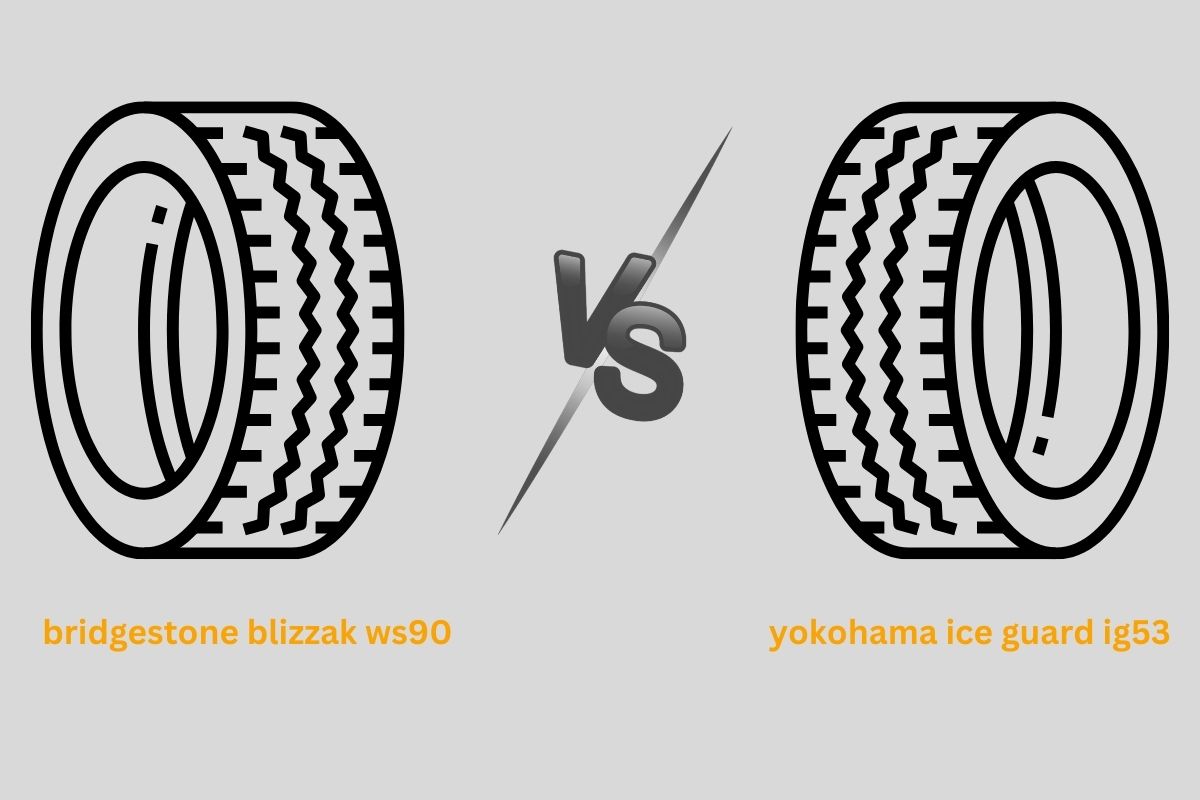
bridgestone blizzak ws90 vs yokohama ice guard ig53

When it comes to winter driving, having the right tires can make all the difference. But with so many options on the market, how do you choose? Today, we’re diving into the world of winter tires and comparing two popular contenders: Bridgestone Blizzak WS90 and Yokohama Ice Guard IG53. Winter driving conditions can be treacherous, with snow-covered roads and icy patches posing a serious risk. That’s why finding a tire that offers optimal traction and control is crucial for your safety on the road. In this blog post, we’ll explore the features, performance, and real-world experiences of these two top-rated winter tires to help you make an informed decision for your next snowy adventure. [ 61 words] [ 59 words] Highlights: Bridgestone Blizzak WS90: Excellent traction on snow and ice, durable and long-lasting tread life, quiet and comfortable ride. Yokohama Ice Guard IG53: Good value for money, enhanced handling and stability in winter conditions, reliable winter performance at an affordable price. Price Comparison: Bridgestone Blizzak WS90 tends to be priced slightly higher than Yokohama Ice Guard IG53, but prices may vary depending on tire size and retailer. The Historical Journey of bridgestone blizzak ws90 Bridgestone Blizzak WS90 tires have a rich history of delivering exceptional performance in winter conditions. Introduced as the latest addition to Bridgestone’s renowned Blizzak lineup, these tires are designed to provide superior traction and control on snow and ice-covered roads. With advanced technologies like the NanoPro-Tech Multicell compound, which helps to maintain flexibility in cold temperatures, and a unique tread pattern that enhances grip, the Blizzak WS90 tires ensure confident driving even in the harshest winter weather. In addition to the Blizzak WS90, Bridgestone offers a wide range of products tailored for various driving needs. The Potenza series caters to high-performance vehicles with its cutting-edge technology and sporty design. For SUVs and light trucks, the Dueler line provides excellent all-season capabilities both on and off-road. Bridgestone also offers fuel-efficient options like the Ecopia series, which combines low rolling resistance with long-lasting tread life. Whatever your driving requirements may be, Bridgestone has a tire solution that prioritizes safety, performance, and durability. With their commitment to innovation and quality, Bridgestone continues to be a trusted name in the tire industry. Whether you’re looking for winter-specific tires or all-season options that excel in various conditions, Bridgestone’s extensive product range ensures there’s a tire suited for your specific needs. The Historical Journey of yokohama ice guard ig53 Yokohama Ice Guard IG53 tires have a rich history of providing exceptional performance in icy and snowy conditions. Developed by Yokohama, a renowned tire manufacturer with over 100 years of experience, the Ice Guard IG53 is designed to deliver superior traction and control on winter roads. These tires feature advanced technologies such as a specialized tread compound and an innovative tread pattern that enhances grip on slippery surfaces. With their excellent snow and ice performance, Yokohama Ice Guard IG53 tires are a top choice for drivers seeking reliable winter traction. Yokohama offers a wide range of products to cater to various driving needs. In addition to the Ice Guard IG53, they provide all-season tires like the Avid Ascend GT for year-round comfort and performance. For sporty driving enthusiasts, Yokohama offers high-performance options such as the Advan Sport V105 that deliver exceptional handling and responsiveness. They also have eco-friendly choices like the BluEarth-GT AE51, which combines fuel efficiency with long-lasting durability. Whether you’re looking for winter-specific tires or versatile options for different seasons, Yokohama has a diverse lineup that caters to every driver’s requirements. You May Also Like: Michelin vs Bridgestone bridgestone blizzak ws90 : Pros and Cons When considering tire options, each tire brand presents a unique set of strengths and weaknesses. Below are the pros and cons of bridgestone blizzak ws90 Pros: Excellent traction on snow and ice Responsive handling in winter conditions Durable and long-lasting tread life Quiet and comfortable ride Good value for the price Cons: Slightly reduced performance on wet surfaces compared to some competitors Limited availability of sizes for larger vehicles Not suitable for year-round use in warmer climates yokohama ice guard ig53 : Pros and Cons When it comes to tire selection, every tire brand showcases a distinct array of advantages and disadvantages. Below are the pros and cons of yokohama ice guard ig53 Pros: Excellent traction on snow and ice Durable construction for long-lasting performance Smooth and comfortable ride Enhanced handling and stability in winter conditions Good value for money Cons: Noisy on dry pavement Slightly reduced fuel efficiency compared to all-season tires Limited availability of sizes for certain vehicles Also Read: firestone vs general tires Comparison: bridgestone blizzak ws90 vs yokohama ice guard ig53 Key Differences When comparing bridgestone blizzak ws90 and yokohama ice guard ig53, there are several key differences to consider. These differences include pricing, warranties, fuel efficiency, comfort, wet performance, dry performance, winter performance, and noise performance. These key differences play a crucial role in the decision-making of most drivers and car owners. You could be wondering between bridgestone blizzak ws90 and yokohama ice guard ig53, which one is better based on these key focus areas. Let’s find out. Pricing: When it comes to pricing, the Bridgestone Blizzak WS90 and Yokohama Ice Guard IG53 tires have some notable differences. The Bridgestone Blizzak WS90 tends to be priced slightly higher than the Yokohama Ice Guard IG53. However, it’s important to consider that the price difference may vary depending on the tire size and retailer. The Bridgestone Blizzak WS90 is known for its exceptional winter performance and advanced technology, which contributes to its higher price point. It features a unique tread compound that provides excellent traction on snow and ice, as well as improved handling in cold temperatures. This tire is designed with a multi-cell compound that helps grip icy surfaces for enhanced control. On the other hand, the Yokohama Ice Guard IG53 offers reliable winter performance at a more affordable price. It features an innovative tread design with wide lateral grooves and … Read more
Are Advanta Tires Silent or Deafening? Discover the Truth!

Are Advanta Tires Quiet or Noisy?

Are Advanta tires as quiet as a whisper or as noisy as a thunderstorm? That is the burning question on the minds of many car enthusiasts and everyday drivers alike. When it comes to choosing the right tires for your vehicle, noise levels can play a significant role in your overall driving experience. After all, who wants to be constantly bombarded with a cacophony of road noise during their daily commute or long road trips? In this blog post, we will delve into the world of Advanta tires to determine whether they truly live up to their reputation as being quiet and smooth on the road. Advanta tires have gained quite a following in recent years, with many drivers praising their performance and longevity. However, one aspect that often gets overlooked is their noise level. While some tires are specifically designed to minimize road noise and provide a peaceful driving experience, others may be more prone to generating unwanted sounds. So, if you’re considering investing in a set of Advanta tires, it’s crucial to understand how they fare in terms of noise production. In this article, we will explore the factors that contribute to tire noise and whether Advanta tires can truly deliver a serene and quiet ride. Are Advanta Tires Quiet or Noisy? When it comes to buying new tires a lot of factors come into play. One big one is tire noise. This is a crucial aspect that most drivers can’t ignore as they embark on their tire-searching journey. So, are Advanta tires quiet or noisy? Advanta tires are generally quiet, providing a smooth and quiet ride for drivers. In a hurry here are our top 6 tire recommendations: Best Budget Tires Best Mid-Range Tires Best All-Season Tires Best Summer Tires Best Winter Tires Best Performance Tires Understanding Tire Noise Tire noise refers to the sound produced by the tires as they roll on the road surface. It is an important aspect of vehicle performance and can significantly impact the comfort and overall driving experience. Understanding tire noise involves recognizing the different types of noises and their causes. One common type of tire noise is known as tread pattern noise, which is generated by the interaction between the tire tread and the road surface. This noise can vary depending on the design and depth of the tire tread, as well as the road conditions. Another type of tire noise is known as tire whine, which is typically caused by uneven wear or misalignment of the tires. This noise can be more noticeable at higher speeds and may indicate the need for tire rotation or alignment. To understand tire noise, it is important to consider the factors that contribute to its generation. One such factor is tire design, including the tread pattern and the materials used. Different tread patterns can produce varying levels of noise, with more aggressive patterns generally generating more noise. Road conditions also play a significant role in tire noise, as rough or uneven surfaces can amplify the sound. Finally, tire maintenance and proper inflation are crucial in reducing tire noise. Underinflated or overinflated tires can lead to increased noise levels, as well as uneven wear, which can further contribute to tire noise. Also Read: goodyear assurance weatherready vs michelin crossclimate 2 Factors Influencing Tire Noise There are a number of factors influencing tire noise. These include: Tread pattern: The design and arrangement of the tread pattern on a tire greatly affects the amount of noise it produces. Tires with aggressive tread patterns, such as those found on off-road or winter tires, tend to generate more noise compared to tires with smoother and less aggressive tread patterns. Tire compound: The type of rubber compound used in a tire can also impact its noise level. Softer rubber compounds, often used in high-performance tires, tend to generate more noise as they grip the road surface more aggressively, resulting in increased friction and noise. On the other hand, harder rubber compounds, commonly used in all-season or touring tires, can provide a quieter ride. Tire size: The size of the tire, particularly the width and aspect ratio, can influence the amount of noise it produces. Wider tires generally produce more noise compared to narrower ones, as the wider contact patch creates more friction and consequently more noise. Additionally, tires with a lower aspect ratio (shorter sidewalls) may generate more noise due to reduced cushioning and increased rigidity. Tire age and wear: As tires age and wear down, they tend to produce more noise. This is because the tread becomes shallower, reducing the tire’s ability to absorb road vibrations and noise. Additionally, worn-out tires may develop irregular wear patterns, leading to increased noise levels. Other factors influencing tire noise include road surface conditions, vehicle speed, and air pressure in the tires. It’s important to consider these factors when selecting tires, as noise levels can greatly impact the overall comfort and driving experience. You May Also Like: Michelin Tire Chunking Are Advanta Tires More Quiet Than Other Brands? Yes, Advanta tires are generally quieter than other brands. They are designed with advanced technology to reduce road noise and provide a smoother, quieter ride. Advanta tires use a specialized tread pattern and rubber compound that helps to minimize noise and vibrations. Additionally, they have a reinforced sidewall construction that further reduces noise and improves overall comfort. Are Advanta Tires More Noisy Than Other Brands? Advanta tires are not inherently noisier than other brands. The noise level of a tire depends on various factors such as the tread pattern, tire type, and road conditions. While some Advanta tire models may produce more noise due to their specific design, it is not accurate to generalize that all Advanta tires are noisier than other brands. When comparing tire brands, it is important to consider the specific tire model and its intended purpose. Different tire models are designed for various driving conditions and performance requirements. Therefore, it is possible to find Advanta tires that are specifically … Read more

Are Hercules Tires Quiet or Noisy? Unveiling the Truth

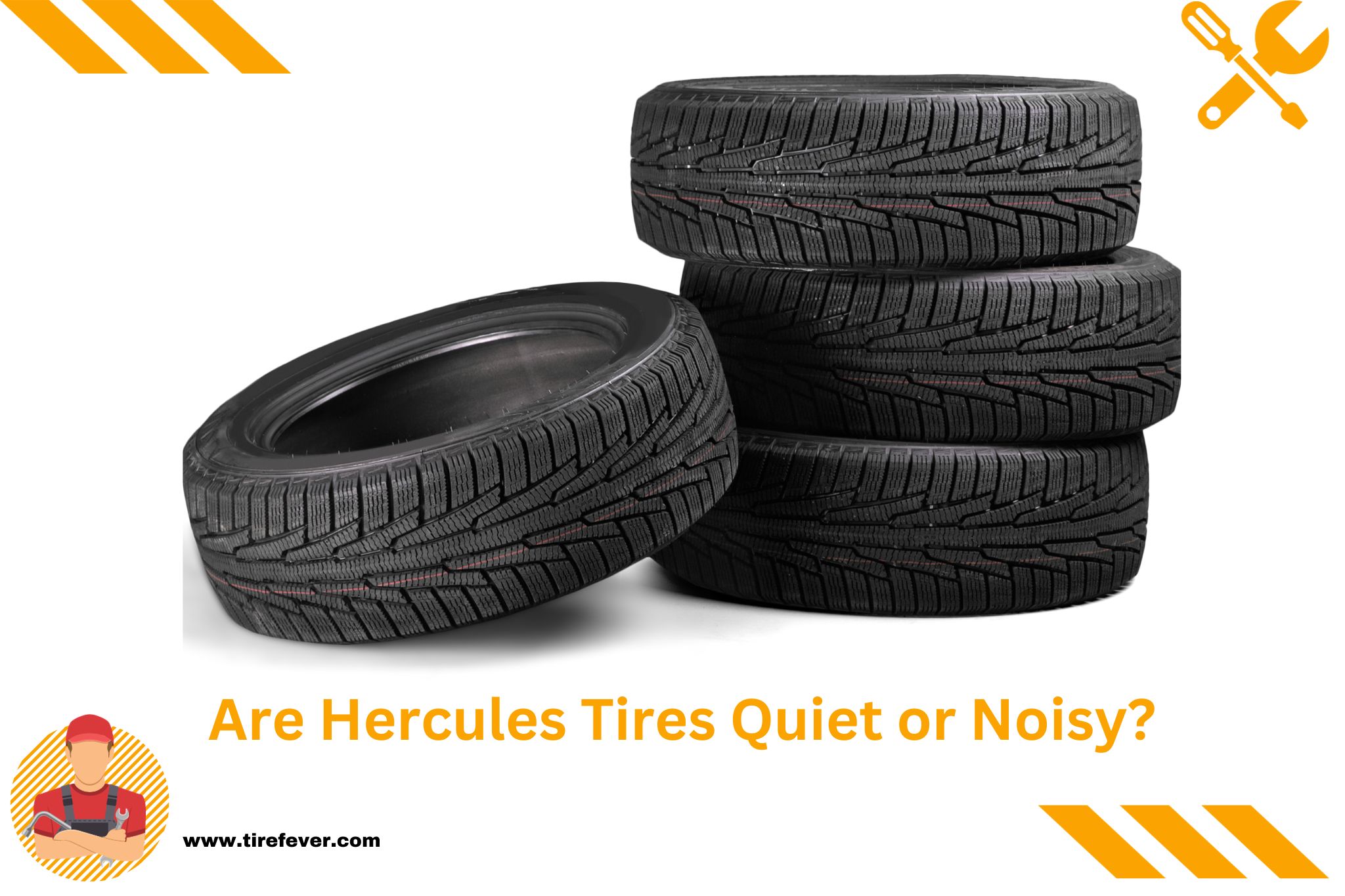
Are Hercules Tires Quiet or Noisy?

Are Hercules Tires the epitome of serenity on the road or do they unleash a symphony of noise? This is the question that many drivers ponder when considering these popular tires for their vehicles. When it comes to tire performance, noise can be a significant factor in determining overall driving experience. Whether you’re cruising down the highway or navigating through city streets, the level of noise emitted by your tires can greatly impact your comfort and enjoyment behind the wheel. So, let’s dive into the world of Hercules Tires and explore whether they are indeed quiet companions on the road or if they tend to make a little more noise than desired. When it comes to choosing the right tires for your vehicle, there are numerous factors to consider, and noise is certainly one of them. Nobody wants to endure a cacophony of tire noise during their daily commute or road trips. It can be distracting, annoying, and even contribute to driver fatigue. That’s why it’s crucial to find tires that strike the perfect balance between performance and quietness. In the case of Hercules Tires, their reputation precedes them, but do they live up to the expectations when it comes to providing a peaceful and tranquil driving experience? Let’s find out. Are Hercules Tires Quiet or Noisy? When it comes to buying new tires a lot of factors come into play. One big one is tire noise. This is a crucial aspect that most drivers can’t ignore as they embark on their tire-searching journey. So, are Hercules Tires quiet or noisy? Hercules Tires are generally quiet, providing a smooth and comfortable ride with minimal road noise. In a hurry here are our top 6 tire recommendations: Best Budget Tires Best Mid-Range Tires Best All-Season Tires Best Summer Tires Best Winter Tires Best Performance Tires Understanding Tire Noise Tire noise refers to the sound produced by the tires as they roll on the road surface. It is an important aspect of vehicle performance and can significantly impact the comfort and overall driving experience. Understanding tire noise involves recognizing the different types of noises and their causes. One common type of tire noise is known as tread pattern noise, which is generated by the interaction between the tire tread and the road surface. This noise can vary depending on the design and depth of the tire tread, as well as the road conditions. Another type of tire noise is known as tire whine, which is typically caused by uneven wear or misalignment of the tires. This noise can be more noticeable at higher speeds and may indicate the need for tire rotation or alignment. To understand tire noise, it is important to consider the factors that contribute to its generation. One such factor is tire design, including the tread pattern and the materials used. Different tread patterns can produce varying levels of noise, with more aggressive patterns generally generating more noise. Road conditions also play a significant role in tire noise, as rough or uneven surfaces can amplify the sound. Finally, tire maintenance and proper inflation are crucial in reducing tire noise. Underinflated or overinflated tires can lead to increased noise levels, as well as uneven wear, which can further contribute to tire noise. Also Read: goodyear ultragrip 9 plus vs michelin alpin 6 Factors Influencing Tire Noise There are a number of factors influencing tire noise. These include: Tread pattern: The design and arrangement of the tread pattern on a tire greatly affects the amount of noise it produces. Tires with aggressive tread patterns, such as those found on off-road or winter tires, tend to generate more noise compared to tires with smoother and less aggressive tread patterns. Tire compound: The type of rubber compound used in a tire can also impact its noise level. Softer rubber compounds, often used in high-performance tires, tend to generate more noise as they grip the road surface more aggressively, resulting in increased friction and noise. On the other hand, harder rubber compounds, commonly used in all-season or touring tires, can provide a quieter ride. Tire size: The size of the tire, particularly the width and aspect ratio, can influence the amount of noise it produces. Wider tires generally produce more noise compared to narrower ones, as the wider contact patch creates more friction and consequently more noise. Additionally, tires with a lower aspect ratio (shorter sidewalls) may generate more noise due to reduced cushioning and increased rigidity. Tire age and wear: As tires age and wear down, they tend to produce more noise. This is because the tread becomes shallower, reducing the tire’s ability to absorb road vibrations and noise. Additionally, worn-out tires may develop irregular wear patterns, leading to increased noise levels. Other factors influencing tire noise include road surface conditions, vehicle speed, and air pressure in the tires. It’s important to consider these factors when selecting tires, as noise levels can greatly impact the overall comfort and driving experience. You May Also Like: Hercules Tire Chunking Are Hercules Tires More Quiet Than Other Brands? Yes, Hercules Tires are known for their quiet performance compared to other brands. They are designed with advanced technology and specialized tread patterns that help reduce noise and provide a smooth and quiet ride. Hercules Tires use innovative features like noise-canceling technology and optimized tread designs to minimize road noise and vibrations, making them quieter than many other tire brands. These features contribute to a more comfortable driving experience and allow for better focus and concentration on the road. Are Hercules Tires More Noisy Than Other Brands? No, Hercules tires are not necessarily more noisy than other brands. The noise level of a tire depends on various factors such as the tread pattern, tire construction, and road conditions. While some Hercules tire models may produce more noise than others, it is not accurate to generalize that all Hercules tires are noisier than other brands. The noise level of a tire is primarily determined by its tread pattern, … Read more

Are Radar Tires Noisy? Unveiling the Truth Behind Their Roar!

Are Radar Tires Quiet or Noisy?

Are Radar Tires quiet or noisy? This is a question that often arises when it comes to choosing the right tires for your vehicle. We all want a smooth and peaceful ride, but finding the perfect balance between performance and noise can be a challenge. When it comes to Radar Tires, renowned for their durability and traction, opinions are divided. Some swear by their quietness, while others claim they can be quite noisy on certain road surfaces. So, what’s the truth behind the noise level of Radar Tires? When it comes to tire noise, there are various factors at play, including the tread pattern, tire composition, and road conditions. Radar Tires, known for their innovative designs and advanced technology, have made significant strides in reducing noise levels. With features such as optimized tread patterns and advanced noise-canceling technology, they strive to provide a quieter driving experience. However, it’s important to note that noise perception can be subjective, as it can vary depending on individual preferences and the specific vehicle. So, let’s dive deeper into the world of Radar Tires and explore whether they truly live up to their reputation of being quiet and peaceful on the road. Are Radar Tires Quiet or Noisy? When it comes to buying new tires a lot of factors come into play. One big one is tire noise. This is a crucial aspect that most drivers can’t ignore as they embark on their tire-searching journey. So, are Radar Tires quiet or noisy? Radar Tires are generally known for their quiet performance, providing a smooth and noise-free driving experience. In a hurry here are our top 6 tire recommendations: Best Budget Tires Best Mid-Range Tires Best All-Season Tires Best Summer Tires Best Winter Tires Best Performance Tires Understanding Tire Noise Tire noise refers to the sound produced by the tires as they roll on the road surface. It is an important aspect of vehicle performance and can significantly impact the comfort and overall driving experience. Understanding tire noise involves recognizing the different types of noises and their causes. One common type of tire noise is known as tread pattern noise, which is generated by the interaction between the tire tread and the road surface. This noise can vary depending on the design and depth of the tire tread, as well as the road conditions. Another type of tire noise is known as tire whine, which is typically caused by uneven wear or misalignment of the tires. This noise can be more noticeable at higher speeds and may indicate the need for tire rotation or alignment. To understand tire noise, it is important to consider the factors that contribute to its generation. One such factor is tire design, including the tread pattern and the materials used. Different tread patterns can produce varying levels of noise, with more aggressive patterns generally generating more noise. Road conditions also play a significant role in tire noise, as rough or uneven surfaces can amplify the sound. Finally, tire maintenance and proper inflation are crucial in reducing tire noise. Underinflated or overinflated tires can lead to increased noise levels, as well as uneven wear, which can further contribute to tire noise. Also Read: goodyear vector vs michelin crossclimate Factors Influencing Tire Noise There are a number of factors influencing tire noise. These include: Tread pattern: The design and arrangement of the tread pattern on a tire greatly affects the amount of noise it produces. Tires with aggressive tread patterns, such as those found on off-road or winter tires, tend to generate more noise compared to tires with smoother and less aggressive tread patterns. Tire compound: The type of rubber compound used in a tire can also impact its noise level. Softer rubber compounds, often used in high-performance tires, tend to generate more noise as they grip the road surface more aggressively, resulting in increased friction and noise. On the other hand, harder rubber compounds, commonly used in all-season or touring tires, can provide a quieter ride. Tire size: The size of the tire, particularly the width and aspect ratio, can influence the amount of noise it produces. Wider tires generally produce more noise compared to narrower ones, as the wider contact patch creates more friction and consequently more noise. Additionally, tires with a lower aspect ratio (shorter sidewalls) may generate more noise due to reduced cushioning and increased rigidity. Tire age and wear: As tires age and wear down, they tend to produce more noise. This is because the tread becomes shallower, reducing the tire’s ability to absorb road vibrations and noise. Additionally, worn-out tires may develop irregular wear patterns, leading to increased noise levels. Other factors influencing tire noise include road surface conditions, vehicle speed, and air pressure in the tires. It’s important to consider these factors when selecting tires, as noise levels can greatly impact the overall comfort and driving experience. You May Also Like: Radar Tire Chunking Are Radar Tires More Quiet Than Other Brands? Yes, Radar Tires are generally known to be quieter than other brands due to their unique tread pattern and advanced noise reduction technology. The company has focused on minimizing road noise and vibration, resulting in a smoother and quieter ride for drivers. Radar Tires achieve their quieter performance through the use of innovative tread designs, such as the Noise Reducer Groove, which reduces noise generated by the tire rolling on the road surface. Additionally, the company utilizes advanced noise reduction technology, including computer-optimized tread pitch sequencing, to further enhance the quietness of their tires. These features contribute to a more enjoyable and peaceful driving experience. Are Radar Tires More Noisy Than Other Brands? Radar tires are not necessarily more noisy than other brands. The noise level of a tire depends on various factors such as the tread pattern, tire size, and the type of road surface it is used on. While some drivers may perceive Radar tires to be noisier than other brands, this can be subjective and vary from person to person. … Read more

Are GT Radial Tires Quiet or Noisy? The Truth Revealed

Are GT Radial Tires Quiet or Noisy?

Looking for a smooth and peaceful ride? Wondering if GT Radial tires are the answer to your noise-free driving experience? Well, you’ve come to the right place! In this blog post, we’ll explore the question that’s been on many drivers’ minds: Are GT Radial tires quiet or noisy? When it comes to choosing the perfect set of tires for your vehicle, noise levels can make a significant difference in your overall driving experience. The last thing anyone wants is a loud and distracting ride, especially during long journeys or on rough roads. So, let’s dive into the world of GT Radial tires and find out if they can provide the tranquility you’re seeking on the road. Are GT Radial Tires Quiet or Noisy? When it comes to buying new tires a lot of factors come into play. One big one is tire noise. This is a crucial aspect that most drivers can’t ignore as they embark on their tire-searching journey. So, are GT Radial Tires quiet or noisy? GT Radial Tires are generally quiet and provide a smooth and comfortable ride. In a hurry here are our top 6 tire recommendations: Best Budget Tires Best Mid-Range Tires Best All-Season Tires Best Summer Tires Best Winter Tires Best Performance Tires Understanding Tire Noise Tire noise refers to the sound produced by the tires as they roll on the road surface. It is an important aspect of vehicle performance and can significantly impact the comfort and overall driving experience. Understanding tire noise involves recognizing the different types of noises and their causes. One common type of tire noise is known as tread pattern noise, which is generated by the interaction between the tire tread and the road surface. This noise can vary depending on the design and depth of the tire tread, as well as the road conditions. Another type of tire noise is known as tire whine, which is typically caused by uneven wear or misalignment of the tires. This noise can be more noticeable at higher speeds and may indicate the need for tire rotation or alignment. To understand tire noise, it is important to consider the factors that contribute to its generation. One such factor is tire design, including the tread pattern and the materials used. Different tread patterns can produce varying levels of noise, with more aggressive patterns generally generating more noise. Road conditions also play a significant role in tire noise, as rough or uneven surfaces can amplify the sound. Finally, tire maintenance and proper inflation are crucial in reducing tire noise. Underinflated or overinflated tires can lead to increased noise levels, as well as uneven wear, which can further contribute to tire noise. Also Read: goodyear assurance vs michelin latitude Factors Influencing Tire Noise There are a number of factors influencing tire noise. These include: Tread pattern: The design and arrangement of the tread pattern on a tire greatly affects the amount of noise it produces. Tires with aggressive tread patterns, such as those found on off-road or winter tires, tend to generate more noise compared to tires with smoother and less aggressive tread patterns. Tire compound: The type of rubber compound used in a tire can also impact its noise level. Softer rubber compounds, often used in high-performance tires, tend to generate more noise as they grip the road surface more aggressively, resulting in increased friction and noise. On the other hand, harder rubber compounds, commonly used in all-season or touring tires, can provide a quieter ride. Tire size: The size of the tire, particularly the width and aspect ratio, can influence the amount of noise it produces. Wider tires generally produce more noise compared to narrower ones, as the wider contact patch creates more friction and consequently more noise. Additionally, tires with a lower aspect ratio (shorter sidewalls) may generate more noise due to reduced cushioning and increased rigidity. Tire age and wear: As tires age and wear down, they tend to produce more noise. This is because the tread becomes shallower, reducing the tire’s ability to absorb road vibrations and noise. Additionally, worn-out tires may develop irregular wear patterns, leading to increased noise levels. Other factors influencing tire noise include road surface conditions, vehicle speed, and air pressure in the tires. It’s important to consider these factors when selecting tires, as noise levels can greatly impact the overall comfort and driving experience. You May Also Like: GT Radial Tire Chunking Are GT Radial Tires More Quiet Than Other Brands? GT Radial tires are not necessarily more quiet than other brands as noise level can vary depending on the specific tire model and its design. Factors such as tread pattern, tire construction, and road conditions also play a significant role in determining the noise level of a tire. While GT Radial tires may offer some models that are designed to reduce noise, it is important to compare specific tire models across different brands to determine which ones are quieter. Additionally, individual preferences for noise levels may vary, so it is recommended to read reviews and consider personal preferences when choosing tires for a quieter driving experience. Are GT Radial Tires More Noisy Than Other Brands? GT Radial tires are not necessarily more noisy than other brands. The noise level of a tire depends on various factors such as tread pattern, tire construction, and road conditions. While some GT Radial tires may produce more noise than certain brands, others may be quieter. It is important to consider the specific model and type of tire when comparing noise levels between different brands. What GT Radial Tires are the Quietest? When it comes to finding the quietest GT Radial tires, there are a few options that stand out. Here are three GT Radial tire models known for their quiet performance: GT Radial Champiro VP1: This all-season tire offers a quiet and comfortable ride with its advanced tread pattern and optimized pitch sequence. GT Radial Champiro Touring A/S: Designed for touring and passenger vehicles, this tire provides … Read more