Will Summer Tires Crack In Winter [Plus 4 Causes of CRACKS]
Will Summer Tires Crack In Winter

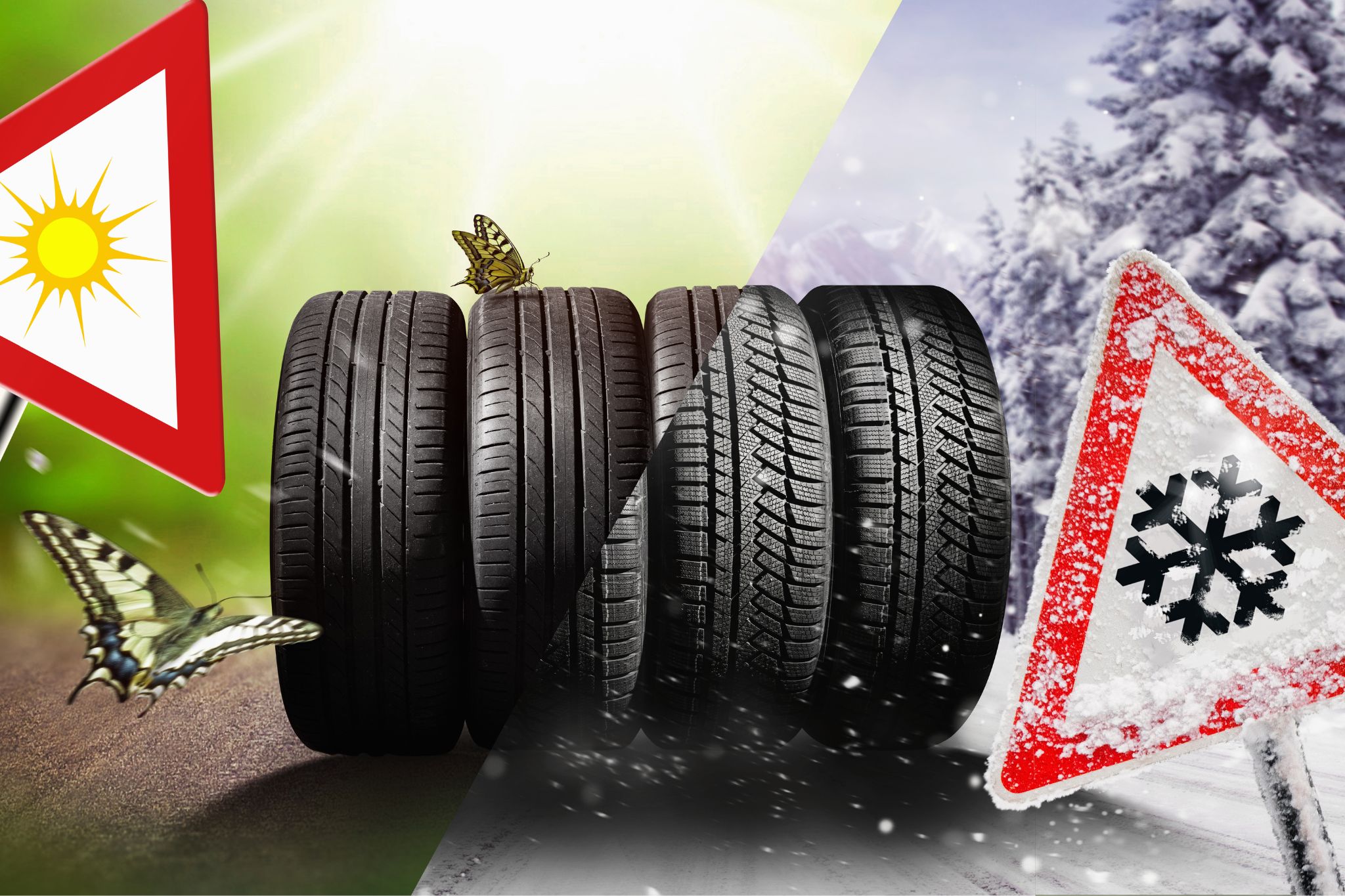
Cracking is a common misconception that many people have about summer tires. Some people think that rubber or neoprene in summer tires can crack from cold temperatures or normal wear and tear. Others believe that summer tires might crack due to temperature changes. But does rubber in summer tires crack with exposure to cold temperatures? Will summer tires crack in winter? Well, using summer tires in winter can be a risky decision for many reasons. If the tire pressure is not consistent, you might get cracks in your tire rubber when you go through vigorous turns or hills. You can also damage your car’s rims with cracks in your tires.  This article will look at the science behind summer tires cracking and if they crack in winter. Will Summer Tires Crack in Winter? Yes, summer tires can crack in winter due to the low temperatures. The rubber compounds in summer tires are not made to withstand cold temperatures, making them stiff and brittle, which can cause cracking. Additionally, summer tires are not designed for snowy and icy conditions, so they may not provide adequate traction on winter roads. Using winter tires in cold temperatures is recommended for safety and optimal performance. It is also important to note that using summer tires in winter can also decrease the overall lifespan of the tires. Cold temperatures can cause the rubber to wear down more quickly and make the tires less durable. Additionally, the lack of appropriate tread patterns on summer tires can cause them to wear down faster in snowy and icy conditions. To ensure safety and optimal performance, it is best to switch to winter tires when the temperature drops below 7 degrees Celsius and to summer tires when the temperature rises above 7 degrees Celsius. Do All-Season Tires Crack in Winter? All-season tires are designed to provide adequate performance in various weather conditions, including winter. However, all-season tires are not as well-suited for cold temperatures as winter tires. The rubber compounds used in all-season tires may become stiff and brittle in frigid temperatures, which can cause cracking. The tread patterns on all-season tires are not optimized for heavy snow and ice, so they may not provide as much traction in winter conditions as winter tires. So, all-season tires can handle cold temperatures to an extent, but they may not be as effective as winter tires in extremely cold temperatures. At What Temperature Do Summer Tires Crack? The ideal temperature range for summer tires is generally 40- 45 degrees Celsius. Below 40 degrees Celsius, summer tires become much less effective on snowy, icy, and wet roads. Summer tires may not provide adequate traction on ice or snow, even with optimal pressure.   To keep the temperature consistent, it is essential to drive at steady speeds with consistent breaks and no dips in speed. Summer tires can crack in cold temperatures if the temperature drops below this range. It’s always recommended to check the manufacturer’s recommendation for the specific tire you are using, as they may have a different temperature threshold. How Long Do Tires Last Before Cracking? Most tires last between 5-7 years, depending on how often they are used, how heavy, and how well they are maintained. Tires can crack due to several different factors, including: The most important thing you can do to extend your tires’ life is to maintain them properly. This includes checking the air pressure regularly and rotating them every 6,000 miles. It is also essential to avoid excessive heat and cold exposure. Using summer tires in winter can cause tire cracking because of the temperature difference. Even though summer tires may provide adequate performance in mild conditions, they have limited traction on snowy and icy roads, which makes them dangerous in severe conditions.  Additionally, you can damage your car’s rims if your tires crack during maneuvering or braking in icy conditions. It’s essential to regularly check the tires for any signs of cracking or other damage and replace them when worn or damaged. It is recommended to have a tire rotation every 6,000 miles or six months, a wheel alignment every 12,000 miles or 12 months and have the tire pressure checked monthly. Conclusion Summer tires are not as durable or practical in winter conditions as winter tires. Because of the low temperatures, summer tires tend to become stiff and brittle, which can cause cracking. Using summer tires in winter can reduce their lifespan because of the cold temperatures and expose them to excessive heat and cold. All-season tires are not as well-suited for freezing temperatures as winter tires and may provide less traction because of their poor tread patterns. It’s essential to regularly check tires for damage and replace them when necessary to extend their lifespan. It is also recommended to use winter tires in cold temperatures to ensure safety and optimal performance and to avoid using summer tires in winter to prevent cracking.
Goodyear Assurance vs Michelin CrossClimate 2: The Ultimate Tire Showdown

goodyear assurance vs michelin crossclimate 2

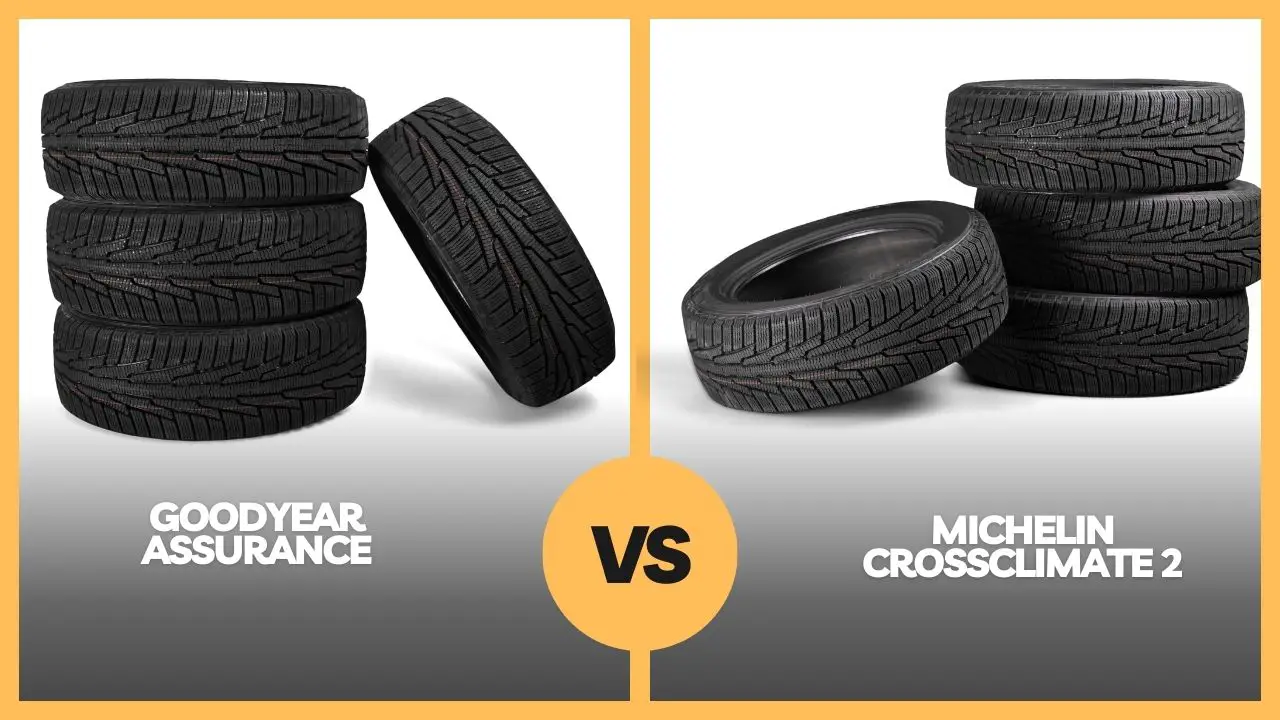
Are you in the market for new tires but unsure which brand to choose? Look no further! In this blog post, we will be comparing two popular tire options: the Goodyear Assurance and the Michelin CrossClimate 2. Both brands have a strong reputation in the industry, but which one is the better choice for your vehicle? Let’s dive in and explore the features, performance, and overall value of these tires to help you make an informed decision. When it comes to selecting the perfect set of tires, there are several factors to consider. The Goodyear Assurance and the Michelin CrossClimate 2 offer unique features and benefits that cater to different driving needs and preferences. From all-season performance to enhanced traction and durability, these tires have a lot to offer. In the following paragraphs, we will delve deeper into the specific qualities of each tire, allowing you to weigh the pros and cons and ultimately make the best choice for your vehicle. The Historical Journey of goodyear assurance Goodyear Assurance tires have a rich history that dates back to the early 20th century. The Goodyear Tire & Rubber Company, founded in 1898, introduced the Assurance line in 2004 as a reliable and durable option for passenger vehicles. These tires quickly gained popularity for their exceptional performance and safety features. The Goodyear Assurance range includes a variety of products designed to meet different driving needs. One of their key offerings is the Assurance Fuel Max, which is designed to improve fuel efficiency without compromising on performance. Another popular product is the Assurance WeatherReady, which provides excellent traction and handling in various weather conditions, making it suitable for all-season driving. Additionally, the Assurance ComforTred Touring offers a smooth and comfortable ride, thanks to its advanced technology that reduces road noise and vibrations. Overall, Goodyear Assurance tires have established themselves as a trusted choice for drivers seeking reliable and high-performing tires. With their range of products catering to different driving needs, Goodyear Assurance continues to provide customers with quality tires that prioritize safety and performance. The Historical Journey of michelin crossclimate 2 Michelin CrossClimate 2 tires were introduced as an upgraded version of the original CrossClimate tires. These all-season tires were first launched in 2015 and quickly gained popularity for their innovative design that combines the performance of summer tires with the traction of winter tires. The CrossClimate 2 tires are specifically designed to provide excellent grip on both dry and wet roads, as well as enhanced traction on snowy and icy surfaces, making them a versatile choice for various weather conditions. Michelin offers a wide range of products under the CrossClimate 2 line. These include tires for passenger cars, SUVs, and light trucks, catering to different vehicle types and sizes. The CrossClimate 2 tires are available in various sizes, ensuring compatibility with a wide range of vehicles. Additionally, Michelin offers different versions of the CrossClimate 2 tires, such as the CrossClimate 2+ and CrossClimate 2 SUV, which are specifically designed to meet the unique needs of different vehicle categories. With the Michelin CrossClimate 2 tires, drivers can enjoy the convenience of year-round performance without the need for seasonal tire changes. These tires provide excellent traction and handling in various weather conditions, making them a popular choice for drivers seeking versatility and reliability. Whether it’s dry, wet, or snowy roads, Michelin CrossClimate 2 tires offer a safe and comfortable driving experience.   In a hurry here are our top 6 tire recommendations: Best Budget Tires Best Mid-Range Tires Best All-Season Tires Best Summer Tires Best Winter Tires Best Performance Tires goodyear assurance : Pros and Cons When it comes to tire selection, every tire brand showcases a distinct array of advantages and disadvantages. Below are the pros and cons of goodyear assurance Pros: – Excellent traction on wet and dry roads – Long-lasting tread life – Comfortable and smooth ride – Good handling and stability – Affordable price point Cons: – Limited performance in snowy or icy conditions – Some users report increased road noise over time – Not as responsive in high-performance driving situations michelin crossclimate 2 : Pros and Cons When it comes to tire selection, every tire brand showcases a distinct array of advantages and disadvantages. Below are the pros and cons of michelin crossclimate 2 Pros: – Excellent all-season performance – Long-lasting tread life – Enhanced traction on wet and snowy roads – Quiet and comfortable ride – Fuel-efficient Cons: – Limited availability in certain sizes – Relatively higher price compared to other tires in the market – May not provide the same level of performance as specialized tires in extreme weather conditions. Comparison: goodyear assurance vs michelin crossclimate 2 Key Differences When comparing goodyear assurance and michelin crossclimate 2, there are several key differences to consider. These differences include pricing, warranties, fuel efficiency, comfort, wet performance, dry performance, winter performance, and noise performance. Check out these other comparisons. Let’s now dive deeper into how goodyear assurance and michelin crossclimate 2 perform in each of these key focus areas. Pricing: – Goodyear Assurance is generally more affordable than Michelin CrossClimate 2. – Goodyear Assurance offers a budget-friendly option without compromising on quality. – Michelin CrossClimate 2 is a premium tire with a higher price point. – Michelin CrossClimate 2 provides superior performance and durability, justifying its higher cost. – Overall, Goodyear Assurance is a cost-effective choice, while Michelin CrossClimate 2 offers top-notch performance at a higher price. Warranties: – Goodyear Assurance offers a limited tread life warranty, which covers the tires for a specified number of miles or a certain period. – Michelin CrossClimate 2 provides a 60,000-mile treadwear warranty, ensuring the tires will last for a specific mileage. – Goodyear Assurance offers a 6-year limited warranty against defects in workmanship and materials. – Michelin CrossClimate 2 provides a 6-year warranty against defects and workmanship, including a 3-year flat tire changing assistance. – Both warranties are similar in terms of coverage against defects, but Goodyear Assurance lacks the specific … Read more

Bridgestone Alenza 001 vs Dueler: Unveiling the Ultimate Tire Showdown

Are you in the market for new tires and torn between Bridgestone Alenza 001 and Dueler? We understand the struggle of choosing the perfect set that will provide both performance and comfort. In this blog post, we’ll delve into the key differences between these two popular tire options, helping you make an informed decision based on your specific needs and preferences. When it comes to finding the right tires for your vehicle, it’s essential to consider factors such as tread design, handling capabilities, noise levels, and overall durability. Both Bridgestone Alenza 001 and Dueler have their unique features that cater to different driving styles and road conditions. So let’s dive deeper into their specifications to help you determine which one is best suited for your needs. Highlights: Bridgestone Alenza 001: Excellent traction on wet and dry surfaces, long-lasting tread life, low road noise for a comfortable ride. Dueler tires: Durable and long-lasting, great handling and stability, wide range of sizes available for various vehicles. Pricing: Alenza 001 is positioned as a premium tire with a higher price point, while Dueler tires are more affordable. The Historical Journey of bridgestone alenza 001 Bridgestone Alenza 001 tires have a rich history of providing exceptional performance and reliability. Since their introduction, these tires have become synonymous with superior handling, comfort, and safety on the road. Designed for SUVs and crossovers, they offer excellent traction in both wet and dry conditions, ensuring a smooth and comfortable ride for drivers. Bridgestone offers a wide range of products to cater to different driving needs. In addition to the Alenza 001, they have developed other popular tire models such as the Potenza series for high-performance vehicles, Dueler series for off-road enthusiasts, Ecopia series for fuel efficiency, and Turanza series for luxury sedans. Each product line is engineered with advanced technologies to deliver optimal performance and durability. Whether you’re looking for enhanced grip on city streets or reliable traction on rugged terrains, Bridgestone has a tire solution that meets your specific requirements. With their commitment to innovation and quality craftsmanship, Bridgestone continues to be a trusted choice among drivers worldwide. Upgrade your driving experience today with Bridgestone’s diverse range of high-quality tires that combine cutting-edge technology with unmatched performance. The Historical Journey of dueler Dueler tires have a rich history that spans over several decades. Established in the early 1970s, Dueler quickly gained recognition for its high-performance and durable tire options. With a focus on innovation and cutting-edge technology, Dueler has become a trusted name in the tire industry, offering a wide range of products to cater to various vehicle types and driving conditions. Dueler’s product range includes all-season tires, winter tires, and off-road tires. Their all-season tires are designed to provide excellent traction and handling on both wet and dry surfaces, ensuring a smooth and safe ride throughout the year. For those facing harsh winter conditions, Dueler offers winter tires with enhanced grip on snow-covered roads. Additionally, their off-road tires are built to withstand rugged terrains while maintaining optimal performance. With Dueler’s commitment to quality and performance, drivers can trust their vehicles’ safety and reliability. Whether you’re looking for versatility in different weather conditions or seeking adventure off the beaten path, Dueler has a tire solution for you. By combining advanced technology with extensive research and development efforts, Dueler continues to push boundaries in tire manufacturing. With their wide range of products designed for various needs and preferences, it’s no wonder why Dueler remains a popular choice among individuals searching for reliable tire options that deliver exceptional performance on any road or trail. You May Also Like: Cooper Tire & Rubber Co. vs Firestone Tire and Rubber Company bridgestone alenza 001 : Pros and Cons When considering tire options, each tire brand presents a unique set of strengths and weaknesses. Below are the pros and cons of bridgestone alenza 001 Pros: Excellent traction on both wet and dry surfaces Enhanced handling and stability Long-lasting tread life Low road noise for a comfortable ride Cons: Slightly higher price compared to other tires in its class Limited availability in certain sizes dueler : Pros and Cons When it comes to tire selection, every tire brand showcases a distinct array of advantages and disadvantages. Below are the pros and cons of dueler Pros: Durable and long-lasting Excellent traction on both wet and dry surfaces Smooth and comfortable ride Great handling and stability Wide range of sizes available for various vehicles Cons: Higher price compared to other tire brands Slightly noisy at high speeds Limited availability in some regions Also Read: continental vs dunlop tires Comparison: bridgestone alenza 001 vs dueler Key Differences When comparing bridgestone alenza 001 and dueler, there are several key differences to consider. These differences include pricing, warranties, fuel efficiency, comfort, wet performance, dry performance, winter performance, and noise performance. These key differences play a crucial role in the decision-making of most drivers and car owners. You could be wondering between bridgestone alenza 001 and dueler, which one is better based on these key focus areas. Let’s find out. Pricing: When it comes to pricing, there are notable differences between Bridgestone Alenza 001 and Dueler tires. The Bridgestone Alenza 001 is positioned as a premium tire option, offering exceptional performance and comfort for luxury SUVs and crossovers. As a result, the price point for these tires tends to be higher compared to other options in the market. However, the investment is justified by the advanced technology and superior quality that Bridgestone brings to the table. On the other hand, Dueler tires from Bridgestone cater to a wider range of vehicles including trucks, SUVs, and off-road vehicles. These tires are designed with durability and versatility in mind, making them suitable for various terrains and driving conditions. Due to their broader application scope, Dueler tires generally have a more affordable price point compared to the Alenza 001 series. In summary, while both Bridgestone Alenza 001 and Dueler tires offer excellent performance and reliability, their pricing differs based on … Read more

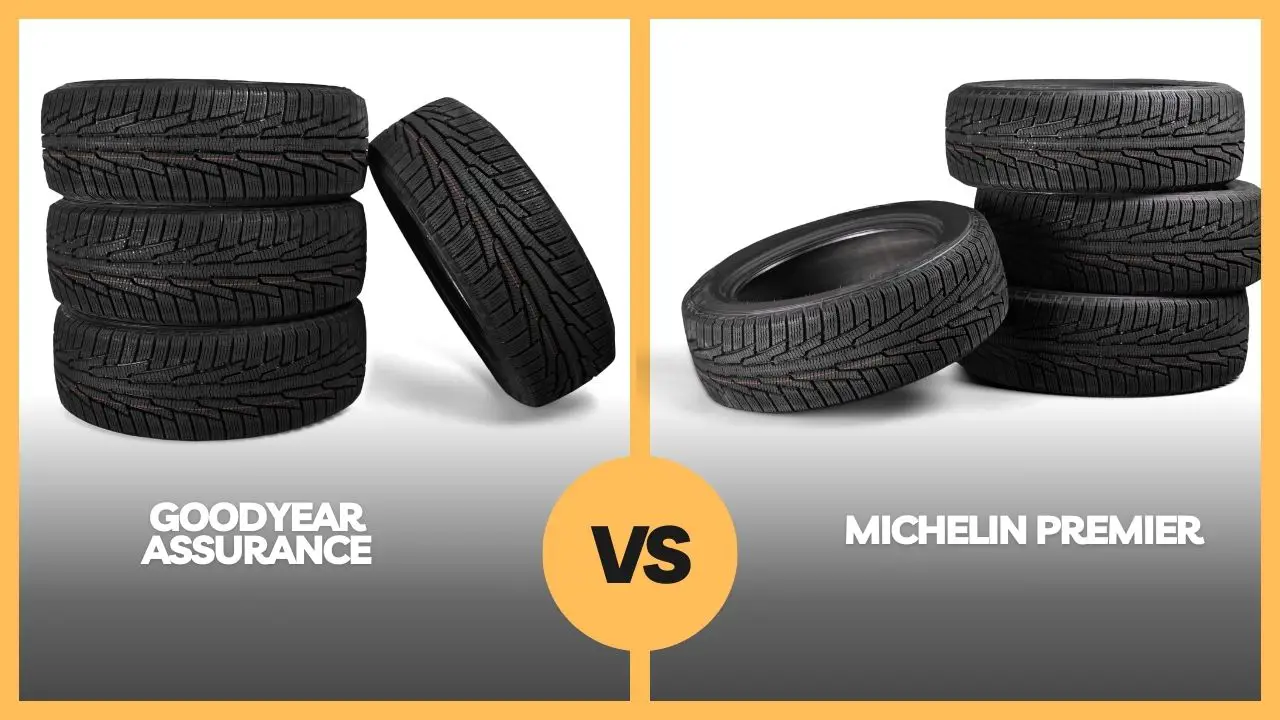
Goodyear Assurance vs Michelin Premier: Unveiling the Ultimate Tire Showdown

goodyear assurance vs michelin premier

Are you in the market for new tires but unsure which brand to choose? Look no further! In this blog post, we will be comparing two popular tire brands, Goodyear Assurance and Michelin Premier, to help you make an informed decision. So, sit back, relax, and let’s dive into the world of tires! When it comes to selecting the perfect set of tires, there are several factors to consider. Both Goodyear Assurance and Michelin Premier offer a wide range of options, each with their own unique features and benefits. From all-season performance to durability and tread life, these brands have it all. So, whether you’re looking for a smooth and comfortable ride or enhanced traction on wet roads, we’ve got you covered. Stay tuned as we explore the key differences and similarities between Goodyear Assurance and Michelin Premier, helping you find the ideal tires for your vehicle. The Historical Journey of goodyear assurance Goodyear Wrangler tires have a rich history that dates back to the 1970s. Originally designed for off-road vehicles, these tires quickly gained popularity for their durability and performance in rugged terrains. Over the years, Goodyear has continued to innovate and improve the Wrangler line, making it one of the most trusted tire brands in the market. The Goodyear Wrangler range offers a variety of products to cater to different driving needs. The Wrangler All-Terrain Adventure is a versatile tire designed for both on and off-road use, providing excellent traction and durability. For those seeking a more aggressive off-road experience, the Wrangler MT/R with Kevlar offers enhanced traction and puncture resistance. Additionally, the Wrangler DuraTrac is a popular choice for light trucks and SUVs, delivering excellent traction in snow and mud. In summary, Goodyear Wrangler tires have a long-standing reputation for their durability and performance in off-road conditions. With a range of products designed to meet various driving needs, these tires continue to be a top choice for adventure enthusiasts and off-road enthusiasts alike. The Historical Journey of michelin premier Michelin Premier tires were introduced in 2014 as an innovative addition to Michelin’s lineup. These tires were designed to provide enhanced safety and performance, particularly in wet conditions. The Premier tires featured a unique EverGrip technology that allowed them to maintain excellent traction even as they wore down, thanks to the presence of expanding rain grooves that opened up as the tire tread wore down. This technology made the Premier tires stand out in the market and gained them recognition for their exceptional wet grip capabilities. In addition to the Michelin Premier tires, the company offers a wide range of products to cater to different driving needs. One of their key product lines is the Michelin Pilot series, which includes high-performance tires designed for sports cars and luxury vehicles. These tires are known for their exceptional handling, precise steering response, and excellent grip on both dry and wet surfaces. Michelin also offers all-season tires like the Michelin Defender series, which provide a balance of performance, comfort, and long-lasting tread life for everyday driving. Furthermore, Michelin is renowned for its eco-friendly tire options. The Michelin Energy series focuses on fuel efficiency, reducing rolling resistance to enhance mileage and decrease carbon emissions. These tires are designed to provide a smooth and comfortable ride while promoting sustainability. Overall, Michelin offers a diverse range of tires that cater to various driving preferences, ensuring safety, performance, and environmental consciousness.   In a hurry here are our top 6 tire recommendations: Best Budget Tires Best Mid-Range Tires Best All-Season Tires Best Summer Tires Best Winter Tires Best Performance Tires goodyear assurance : Pros and Cons When it comes to tire selection, every tire brand showcases a distinct array of advantages and disadvantages. Below are the pros and cons of goodyear assurance Pros: – Excellent traction on wet and dry roads – Long-lasting tread life – Comfortable and smooth ride – Good handling and stability – Affordable price point Cons: – Limited performance in snowy or icy conditions – Some users report increased road noise over time – Not as responsive in high-performance driving situations michelin premier : Pros and Cons When it comes to tire selection, every tire brand showcases a distinct array of advantages and disadvantages. Below are the pros and cons of michelin premier Pros: – Excellent wet traction and braking performance – Long-lasting tread life – Comfortable and quiet ride – Good handling and stability – Enhanced safety features Cons: – Higher price compared to other tires in the market – Limited availability in certain sizes – Some users report reduced performance in snowy conditions Comparison: goodyear assurance vs michelin premier Key Differences When comparing goodyear assurance and michelin premier, there are several key differences to consider. These differences include pricing, warranties, fuel efficiency, comfort, wet performance, dry performance, winter performance, and noise performance. Check out these other comparisons. Let’s now dive deeper into how goodyear assurance and michelin premier perform in each of these key focus areas. Pricing: – Goodyear Assurance is generally more affordable than Michelin Premier. – Goodyear Assurance offers a budget-friendly option without compromising on quality. – Michelin Premier is known for its higher price point, reflecting its premium quality and advanced technology. – Michelin Premier provides better wet traction and braking performance compared to Goodyear Assurance. – Goodyear Assurance offers a good balance between price and performance, making it a popular choice for budget-conscious consumers. Warranties: – Goodyear Assurance offers a limited tread life warranty, typically ranging from 65,000 to 80,000 miles, depending on the specific tire model. – Michelin Premier provides a longer limited tread life warranty, usually ranging from 60,000 to 80,000 miles, depending on the tire model. – Both brands offer a standard manufacturer’s warranty covering defects in workmanship and materials for a specified period, typically around 6 years. – Michelin Premier offers an additional benefit of a 30-day satisfaction guarantee, allowing customers to return the tires if they are not satisfied. Goodyear Assurance does not have a similar guarantee. Fuel Efficiency: … Read more

Can You Drive on Tires With Cracked Sidewalls? ( Plus 5 Causes)

Can You Drive on Tires With Cracked Sidewalls?

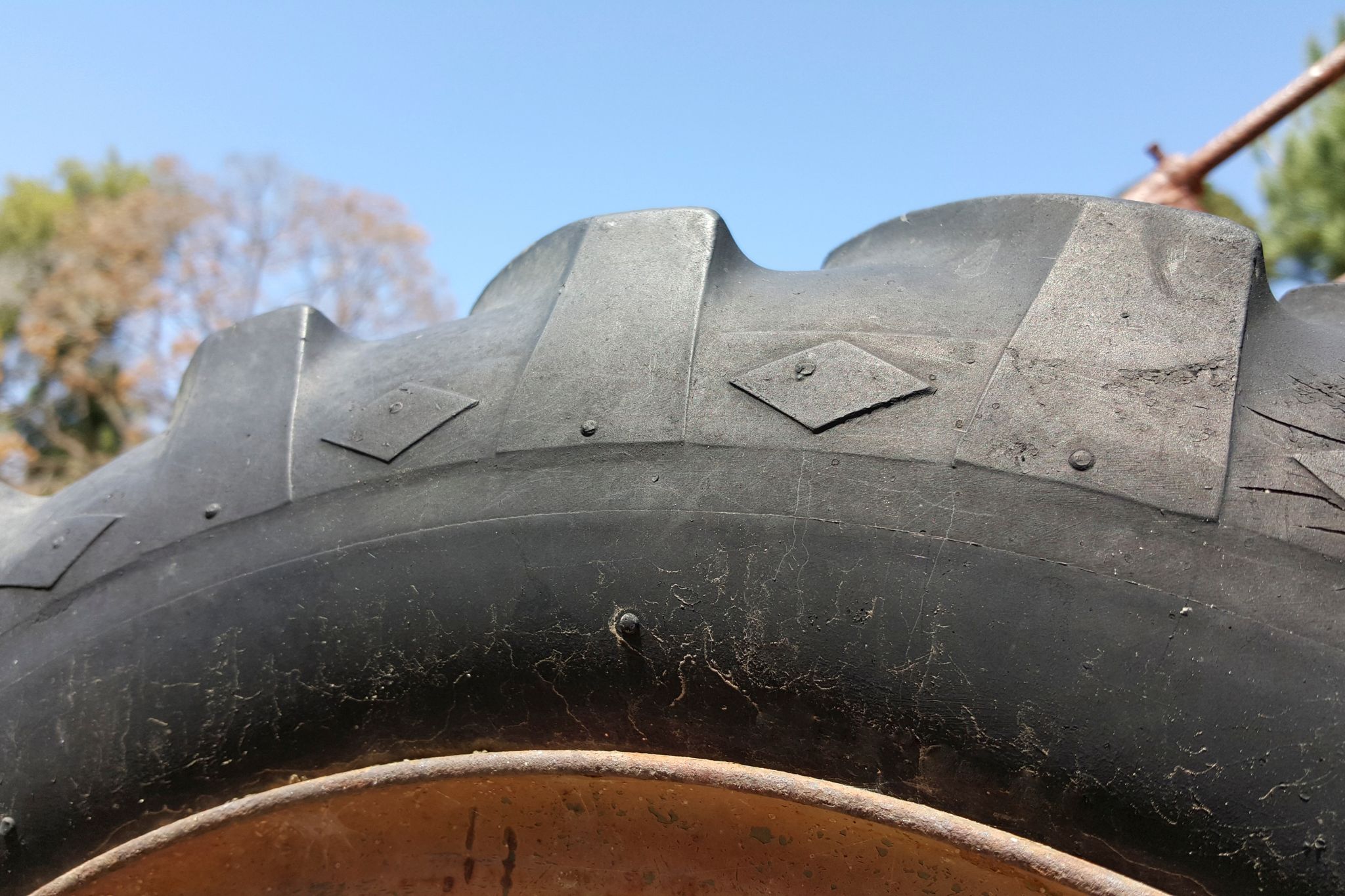
Tires play a significant role in vehicles by enabling movement from one place to another. Typically, forms the contact between vehicles and road surfaces. Therefore, they should be kept in proper condition at all times and repaired as soon as they get problems for easy movements and to reduce the risk of destroying other important car parts. The most common problem associated with car tires is cracks. In most cases, cars get tire cracks when they hit potholes or pass through rough roads. In other cases, these cracks result from decay and ultraviolet rays. The most affected parts in car tires are the sidewalls. Can You Drive on Tires With Cracked Sidewalls? It’s generally possible to drive on tires with cracked sidewalks, although it’s risky when it comes to driving safety. According to experts, drivers should thoroughly inspect their vehicle’s tires after every 2 weeks to check for this problem. Cracked tire sidewalls are mainly caused by the following: Ultraviolet(UV) rays This is among the leading causes of cracks in tire sidewalls. When there’s extreme heat, the polymers in the tires become weak through expansion and contraction from time to time. This makes the polymers dry out over time, causing cracks in tire sidewalls. People can’t protect their cars entirely against these rays, although parking or garaging the cars can minimize the effect. Age Just like other car parts, tires won’t last forever. At some point in time, they’ll start wearing out even if a lot of care is taken. As they age, the polymers in the tires become naturally weak, thus making the tires hard by losing their flexibility. The reduced elasticity makes them brittle, leading to cracks. Car owners need to lubricate their tires to maintain elasticity even if they occasionally drive. Exposure to water Most people think that the rubber used in making car tires is waterproof. Although this is true, prolonged exposure of tires to wet conditions weakens the structure leading to cracks in the sidewalls. Tire pressure When your car tires are over-inflated, they add more stress to the sidewalls leading to bulging and cracking. On the other hand, under-inflated tires generate more heat which causes expansion and contraction, thus causing cracking. Manufacturing defect This is a rare cause, although it happens in some cars. It’s essential to order an expert car inspection before you purchase to ensure you don’t end up with such problems. Regardless of the cause, you should ensure that your car tires are inspected and repaired in case of any problem. Is it Safe to Drive With Cracks in Tires? It’s generally unsafe to drive with cracks in tires. These cracks can lead to air leaks which further result in a blowout. Depending on the magnitude of the blowout, you may lose control when driving, thus increasing the risk of accidents. Minor cracks sometimes may seem less harmful, although they grow to something bigger. Every crack should be inspected by an expert mechanic and repaired or changed on time. Cracks on the sidewalls are more dangerous than those on the treads since they can possibly cause catastrophic tire failure. When these cracks become deep, the tire will become deflated and deteriorate with time. How Do You Fix a Crack in a Tire Sidewall? Small cracks on tire sidewalls can easily be fixed by a professional mechanic. On the other hand, when your car tires have large cracks, you might need to change them. To fix a crack in a tire sidewall, you need to do the following: – Begin by cleaning the cracked area on the tire to eliminate dirt and any other material that can interfere with the process– The next step involves scratching the affected surface to make it rough to ensure easy bonding of the adhesive– After cleaning and scratching the surface, squeeze elastic cement until it fills the cracks. The elastic cement you use should be approved for tire use.– Get a plastic scraper and use it to ensure the cement goes deep into the tire cracks and scrape a little bit until you get a smooth surface.– Allow the set to dry for minutes– Get black tire paint and spray on the affected area to seal and add protection from other elements like moisture, UV rays, and dirt.– Inspect the tires regularly to ensure the seal remains intact over time, even under poor roads and other weather elements, including rain and heat. When are Cracks in Tire Tread Unsafe? Cracks in tire treads are unsafe when they’re major and deep. Minor and superficial cracks may not pose a driving hazard at times. When you notice visible cracks in the tire tread, you should probably avoid driving your car until they’re fixed. If you don’t fix these cracks, they’ll continue growing in number, length, and length. In such cases, you’ll need to replace them. Failure to replace them the tires will wear out quickly, thus causing the risk of a blowout. Sometimes, tire manufacturing defects can also lead to this problem. Since it can be difficult to notice this, it’s essential to inspect a car before buying it. Do Cracked Tires Need to be Replaced? In most cases, cracked tires tend to be repaired depending on the extent of the cracks. However, experts have always recommended replacing such tires to improve safety when driving. Although repairing cracked tires can still help, it’s still dangerous since it’s a temporary solution. Old tires shouldn’t be repaired but rather replaced since they can break down at any time when driving. How Much Tire Cracking is Too Much? This will depend on a lot of variables, including the crack’s location, severity, type of tire, etc. Typically, severe cracking can interfere with the structural integrity of car tires by causing leaks, blowouts, and even accidents. Too much tire cracking requires replacement rather than repair for safety purposes. Conclusion The severity of cracks on either tire sidewalls or tread surfaces will determine if you’ll have to purchase a new set of tires … Read more