Goodyear vs Michelin: Unveiling the Ultimate Tire Showdown
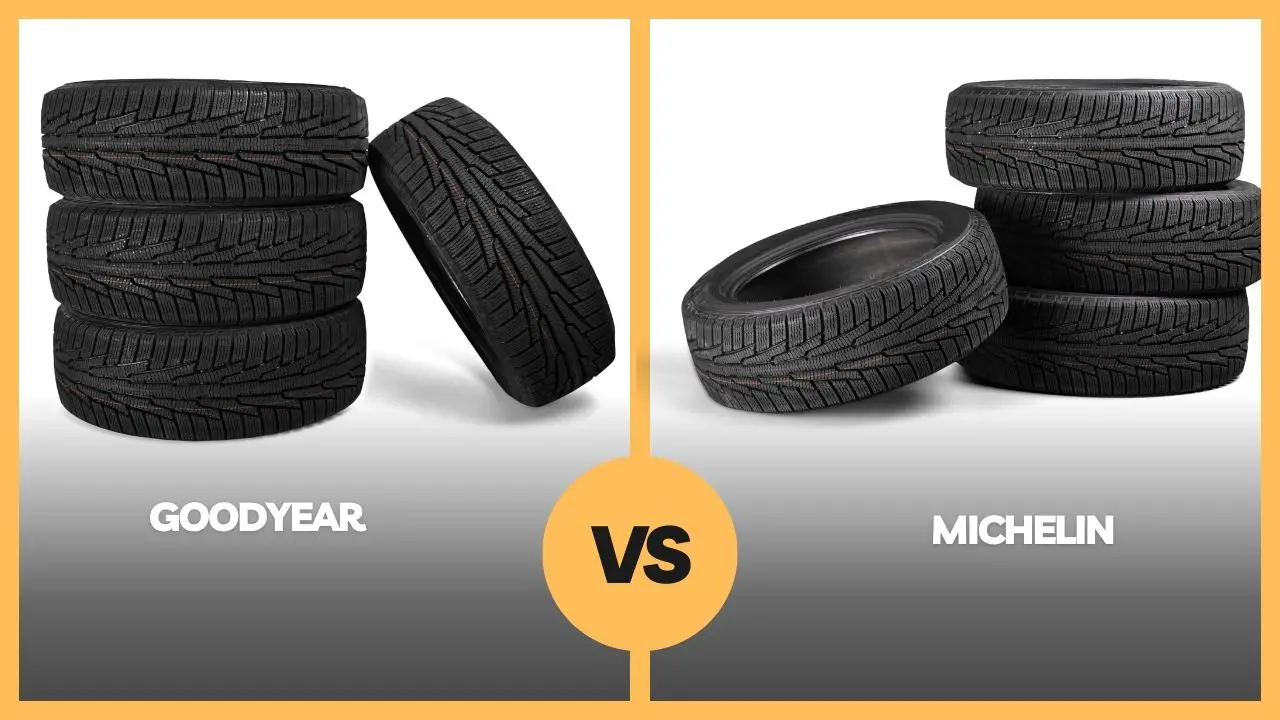
Are you torn between Goodyear and Michelin tires? Choosing the right tires for your vehicle can be a daunting task, but fear not! In this blog post, we will explore the differences between these two popular tire brands, helping you make an informed decision that suits your needs and preferences. When it comes to tire brands, Goodyear and Michelin are both renowned for their quality and performance. Goodyear has a long-standing reputation for durability and reliability, while Michelin is known for its innovative technology and exceptional grip on the road. By delving deeper into their features, benefits, and customer reviews, we will uncover the strengths and weaknesses of each brand, ultimately guiding you towards the perfect tire choice for your vehicle. The Historical Journey of Goodyear Goodyear is an American multinational tire manufacturing company that was founded in 1898 by Frank Seiberling. The company was named after Charles Goodyear, the inventor of vulcanized rubber. Goodyear initially started as a small rubber company in Akron, Ohio, but quickly grew to become one of the largest tire manufacturers in the world. Over the years, Goodyear has expanded its product range to include a wide variety of tires for different vehicles and purposes. They offer tires for passenger cars, trucks, SUVs, motorcycles, and even aircraft. Goodyear is known for its innovative tire technologies, such as the run-flat tires that allow vehicles to continue driving even after a puncture. They also produce all-season tires, winter tires, and high-performance tires to cater to different driving conditions and preferences. In addition to tires, Goodyear also manufactures other automotive products, including belts, hoses, and air springs. They have also ventured into the production of rubber flooring and conveyor belts for industrial applications. Goodyear’s commitment to quality and innovation has made it a trusted brand in the automotive industry for over a century. The Historical Journey of michelin Michelin is a French tire manufacturer founded in 1889 by brothers Édouard and André Michelin. Initially, the company focused on manufacturing bicycle tires, but soon expanded into producing tires for automobiles, motorcycles, and even airplanes. Michelin quickly gained a reputation for its innovative designs and high-quality products, becoming one of the leading tire manufacturers worldwide. Over the years, Michelin has developed a wide range of products to cater to various needs and preferences. Their product lineup includes tires for passenger cars, SUVs, trucks, motorcycles, and bicycles. Michelin is particularly renowned for its high-performance tires, offering exceptional grip, handling, and durability. Additionally, the company produces all-season and winter tires, ensuring optimal performance in different weather conditions. Michelin also offers specialized tires for off-road vehicles, racing cars, and commercial vehicles, further expanding their product range. In addition to tires, Michelin has diversified its product offerings to include other automotive-related products and services. They provide tire maintenance and repair services, as well as tire pressure monitoring systems. Michelin also produces travel guides, maps, and restaurant guides, known as the Michelin Guides, which have become highly regarded references for travelers worldwide. With a rich history and a wide range of products, Michelin continues to be a prominent player in the global tire industry. In a hurry here are our top 6 tire recommendations: Best Budget Tires Best Mid-Range Tires Best All-Season Tires Best Summer Tires Best Winter Tires Best Performance Tires Goodyear : Pros and Cons When it comes to tire selection, every tire brand showcases a distinct array of advantages and disadvantages. Below are the pros and cons of Goodyear Pros: – Excellent traction and grip on both wet and dry surfaces – Durable and long-lasting, providing good mileage – Wide range of tire options for different vehicles and driving conditions – Good handling and stability, offering a smooth and comfortable ride – Competitive pricing compared to other premium tire brands Cons: – Some customers have reported issues with tread wear and noise – Limited availability of certain tire models in certain sizes – Some users have experienced difficulty with customer service and warranty claims. michelin : Pros and Cons When it comes to tire selection, every tire brand showcases a distinct array of advantages and disadvantages. Below are the pros and cons of michelin Pros: – Excellent traction and grip on both wet and dry surfaces – Long-lasting tread life, providing good value for money – Smooth and comfortable ride quality – Low rolling resistance, resulting in improved fuel efficiency – Wide range of tire options for different vehicles and driving conditions Cons: – Higher price compared to some other tire brands – Limited availability in certain regions – Some customers report issues with sidewall durability Comparison: Goodyear vs michelin Key Differences When comparing Goodyear and michelin, there are several key differences to consider. These differences include pricing, warranties, fuel efficiency, comfort, wet performance, dry performance, winter performance, and noise performance. Check out these other comparisons. Let’s now dive deeper into how Goodyear and michelin perform in each of these key focus areas. Pricing: – Goodyear generally offers more affordable pricing compared to Michelin. – Michelin tires are often considered to be more premium and higher-end, resulting in higher prices. – Goodyear provides a wider range of budget-friendly options for different vehicle types and needs. – Michelin focuses on producing high-quality, durable tires with advanced technology, which contributes to their higher price point. – Overall, Goodyear is a more budget-friendly option, while Michelin is known for its premium quality and performance. Warranties: – Goodyear offers a limited warranty that covers defects in workmanship and materials for a specified period. – Michelin provides a limited warranty that covers defects in workmanship and materials for a longer period compared to Goodyear. – Goodyear’s warranty may vary depending on the tire model and type. – Michelin offers additional warranties like a treadwear warranty and a mileage warranty on certain tire models. – Michelin’s warranty coverage is generally considered to be more comprehensive and longer-lasting compared to Goodyear. Fuel Efficiency: – Goodyear tires generally have a lower fuel efficiency compared to Michelin tires. – … Read more


