Falken Tire Chunking: Key Causes + 7 Prevention Tips (An EXPERT Guide)
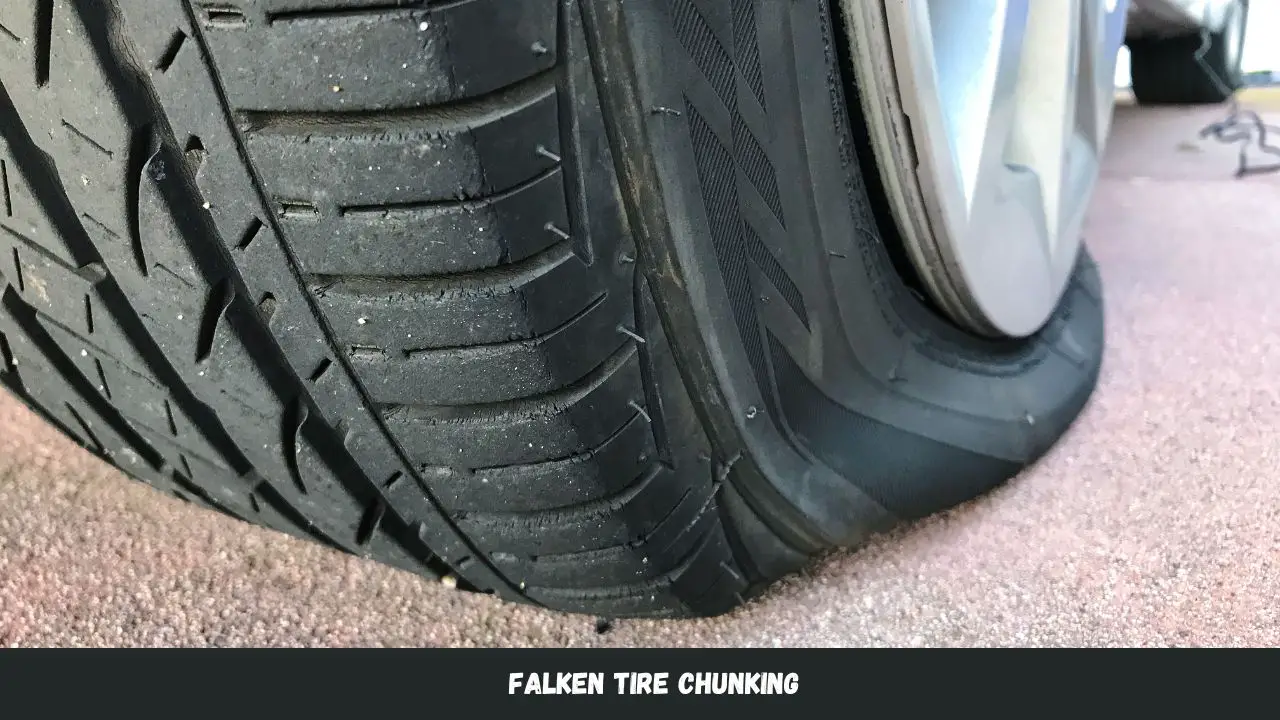
Falken Tire Chunking

Have you ever wondered why your Falken tires seem to be wearing down faster than expected? Well, one possible culprit could be tire chunking. This phenomenon, often seen in off-road or high-performance driving, can leave drivers scratching their heads and searching for answers. But fear not, because in this blog post, we will explore the ins and outs of Falken tire chunking and provide you with some valuable insights to help you understand and address this issue. So, let’s dive in and unravel the mystery behind tire chunking! Tire chunking, also known as tire tread chunking or tire chunk-out, refers to the separation of chunks or pieces of rubber from the tire’s tread surface. It can occur due to a variety of factors, including aggressive driving, improper tire maintenance, or even manufacturing defects. This phenomenon can be quite alarming, as it not only affects the tire’s performance but also poses a safety risk for drivers. Understanding the causes and potential solutions for Falken tire chunking is crucial for maintaining the longevity and reliability of your tires. So, let’s explore this issue further and equip you with the knowledge you need to tackle it head-on. What Causes Tire Chunking? Before delving into the various causes of tire chunking, let’s first establish a clear understanding of what tire chunking entails. In my experience, it’s unwise to assume that all car owners are well-versed in tire and automobile terminology. Many individuals remain unfamiliar with seemingly common tire and car-related concepts, either because they’ve never encountered them or because they are relatively new to car ownership. If you see a tire that wears uniformly across its surface, there’s likely no cause for concern. But if you notice sections of the tire that appear to have significant chunks of rubber fabric missing, you may be dealing with a case of tire chunking. So, what exactly is tire chunking? Tire chunking refers to the condition in which a tire deteriorates to the point where it begins to disintegrate into small fragments. This degradation can occur gradually or suddenly, and it poses a significant safety risk. Tire chunking is most commonly associated with tires frequently used off-road or on unpaved and gravel surfaces. The consequences of tire chunking can be severe, including the potential for a tire blowout, which can lead to a serious accident. It is crucial to regularly inspect your tires and replace them if you detect any signs of wear and tear. With tire chunking, the tire doesn’t wear evenly; instead, random portions of the tire’s rubber fabric deteriorate, creating noticeable indentations. This type of tire damage demands immediate attention and action – neglecting it may lead to catastrophic consequences. Numerous accidents have been attributed to tire chunking leading to vehicles skidding off the road, overturn and even causing serious accidents. But what are some of the key causes of your Falken Tire Chunking You May Also Like: goodyear assurance vs michelin defender 2 Key Causes of Falken Tire Chunking There are a number of causes of tire chunking. Understanding the key causes of Falken Tire Chunking is crucial for maintaining road safety and maximizing tire longevity. Falken, a renowned tire manufacturer, produces high-quality tires, but even they are not immune to the potential challenges of tire chunking. In this next section, we’ll delve deeper into some of the primary factors that can lead to tire chunking in Falken tires. Let’s get straight to it. a) Tire Misalignment In general, a key contributor to tire chunking is associated with issues in the car’s suspension system, with misalignment being one of the most common concerns. Misalignment occurs when the tires deviate from their proper positioning, often resulting from encounters with potholes or speed bumps at high speeds, driving with under-inflated tires, or other factors. A misaligned tire stands as a significant factor contributing to tire chunking. To prevent misalignment, it is crucial to maintain optimal tire inflation, reduce speed when navigating roads riddled with potholes and bumps, and avoid pushing the limits of your driving abilities or replicating high-speed stunts, akin to those seen in the Fast and Furious movies, on such challenging road surfaces. b) Worn Shock Absorbers When a tire encounters a speed bump or pothole, the shock absorber plays a critical role in dampening the impact. However, if this component is in a state of disrepair, the tire becomes susceptible to issues such as tire chunking. c) Bent Wheel The car’s wheel is meticulously designed to ensure balanced rotation. Any deformation or bending of its edges can disrupt this equilibrium, leading to uneven and unbalanced wheel rotation. Consequently, this can result in abnormal wear patterns in the tires, such as tire chunking. d) Aggressive Driving Aggressive driving such as excessive acceleration, hard braking, and sharp cornering can generate high levels of heat in the tires, accelerating wear and potentially leading to tire chunking. It’s important to always control how you are driving to prevent tire chunking. e) Improper Tire Rotation Tire chunking can also be caused by improper tire rotation leading to uneven wear patterns. This may eventually lead to tire chunking. f) Overloading Carrying z load that exceeds the tire’s load rating can put excessive stress on the tires, causing them to deteriorate and potentially chunk. Always check the tire load rating from Falken tires to avoid overloading your tires. e) Tire Age This is an obvious cause for tire chunking. The more your tire ages even if they have plenty of tread left they tend to degrade over time. Old tires can become brittle and prone to tire chunking. f) Tire Quality Lower-quality or cheap tires may lack the durability of premium tires, making them more susceptible to chunking. g) Harsh Road Conditions Repeatedly driving on rough or gravel roads can accelerate tire wear and contribute to tire chunking. Avoid driving at high speeds in harsh road conditions to prevent your Falken tires from chunking. h) Extreme Temperatures Extreme heat or cold can affect tire performance and longevity. High … Read more
Maxxis Tire Chunking: Key Causes + 7 Prevention Tips (An EXPERT Guide)

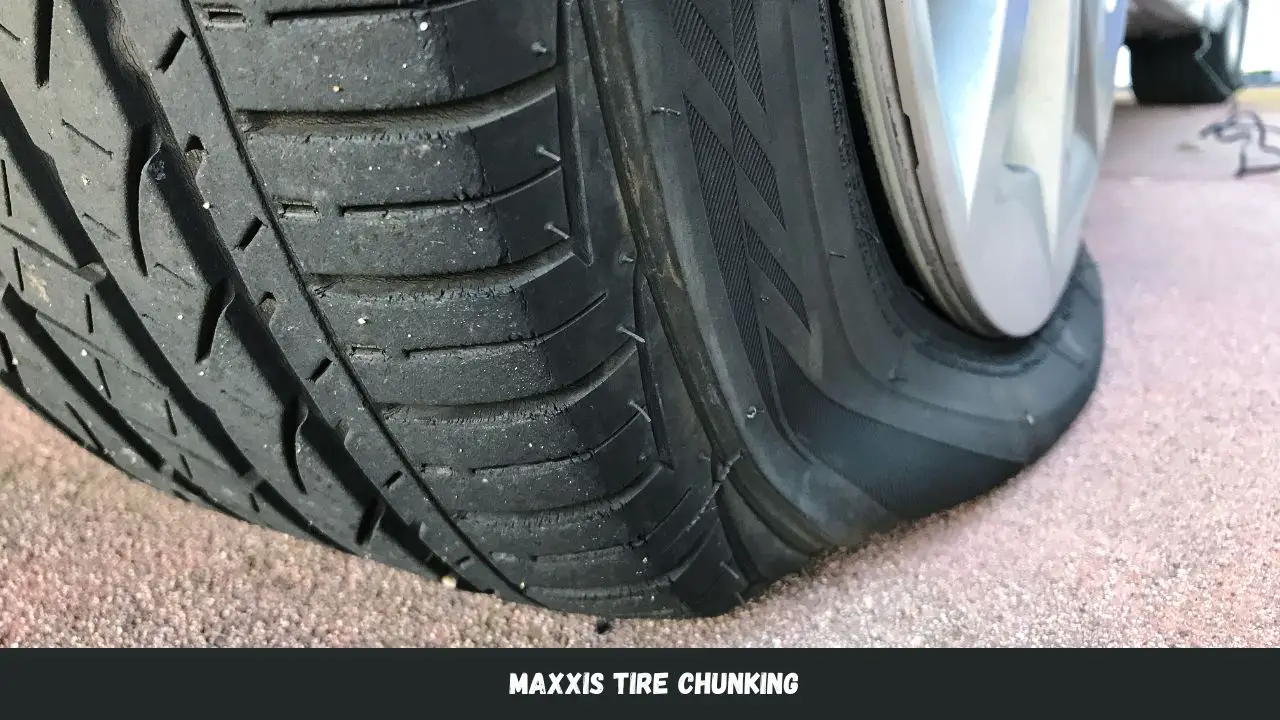
Maxxis Tire Chunking

Are you tired of constantly replacing your tires due to chunking? Well, you’re not alone. Many drivers have experienced the frustration of tire chunking, which not only affects the performance of their vehicle but also puts their safety at risk. But what exactly is tire chunking, and why does it happen? In this blog post, we will explore the phenomenon of Maxxis tire chunking, its causes, and potential solutions to help you make informed decisions and keep your tires in top shape. So, let’s dive in and unravel the mystery behind this common tire issue. Tire chunking is a term used to describe the process of tire tread breaking off in chunks, resulting in uneven wear patterns and reduced traction. This can happen for various reasons, including aggressive driving, improper tire maintenance, or even manufacturing defects. Understanding the underlying causes of tire chunking is crucial in preventing it from happening and ensuring the longevity of your tires. So, let’s take a closer look at some of the factors that contribute to this frustrating problem. What Causes Tire Chunking? Before delving into the various causes of tire chunking, let’s first establish a clear understanding of what tire chunking entails. In my experience, it’s unwise to assume that all car owners are well-versed in tire and automobile terminology. Many individuals remain unfamiliar with seemingly common tire and car-related concepts, either because they’ve never encountered them or because they are relatively new to car ownership. If you see a tire that wears uniformly across its surface, there’s likely no cause for concern. But if you notice sections of the tire that appear to have significant chunks of rubber fabric missing, you may be dealing with a case of tire chunking. So, what exactly is tire chunking? Tire chunking refers to the condition in which a tire deteriorates to the point where it begins to disintegrate into small fragments. This degradation can occur gradually or suddenly, and it poses a significant safety risk. Tire chunking is most commonly associated with tires frequently used off-road or on unpaved and gravel surfaces. The consequences of tire chunking can be severe, including the potential for a tire blowout, which can lead to a serious accident. It is crucial to regularly inspect your tires and replace them if you detect any signs of wear and tear. With tire chunking, the tire doesn’t wear evenly; instead, random portions of the tire’s rubber fabric deteriorate, creating noticeable indentations. This type of tire damage demands immediate attention and action – neglecting it may lead to catastrophic consequences. Numerous accidents have been attributed to tire chunking leading to vehicles skidding off the road, overturn and even causing serious accidents. But what are some of the key causes of your Maxxis Tire Chunking You May Also Like: goodyear assurance vs michelin premier Key Causes of Maxxis Tire Chunking There are a number of causes of tire chunking. Understanding the key causes of Maxxis Tire Chunking is crucial for maintaining road safety and maximizing tire longevity. Maxxis, a renowned tire manufacturer, produces high-quality tires, but even they are not immune to the potential challenges of tire chunking. In this next section, we’ll delve deeper into some of the primary factors that can lead to tire chunking in Maxxis tires. Let’s get straight to it. a) Tire Misalignment In general, a key contributor to tire chunking is associated with issues in the car’s suspension system, with misalignment being one of the most common concerns. Misalignment occurs when the tires deviate from their proper positioning, often resulting from encounters with potholes or speed bumps at high speeds, driving with under-inflated tires, or other factors. A misaligned tire stands as a significant factor contributing to tire chunking. To prevent misalignment, it is crucial to maintain optimal tire inflation, reduce speed when navigating roads riddled with potholes and bumps, and avoid pushing the limits of your driving abilities or replicating high-speed stunts, akin to those seen in the Fast and Furious movies, on such challenging road surfaces. b) Worn Shock Absorbers When a tire encounters a speed bump or pothole, the shock absorber plays a critical role in dampening the impact. However, if this component is in a state of disrepair, the tire becomes susceptible to issues such as tire chunking. c) Bent Wheel The car’s wheel is meticulously designed to ensure balanced rotation. Any deformation or bending of its edges can disrupt this equilibrium, leading to uneven and unbalanced wheel rotation. Consequently, this can result in abnormal wear patterns in the tires, such as tire chunking. d) Aggressive Driving Aggressive driving such as excessive acceleration, hard braking, and sharp cornering can generate high levels of heat in the tires, accelerating wear and potentially leading to tire chunking. It’s important to always control how you are driving to prevent tire chunking. e) Improper Tire Rotation Tire chunking can also be caused by improper tire rotation leading to uneven wear patterns. This may eventually lead to tire chunking. f) Overloading Carrying z load that exceeds the tire’s load rating can put excessive stress on the tires, causing them to deteriorate and potentially chunk. Always check the tire load rating from Maxxis tires to avoid overloading your tires. e) Tire Age This is an obvious cause for tire chunking. The more your tire ages even if they have plenty of tread left they tend to degrade over time. Old tires can become brittle and prone to tire chunking. f) Tire Quality Lower-quality or cheap tires may lack the durability of premium tires, making them more susceptible to chunking. g) Harsh Road Conditions Repeatedly driving on rough or gravel roads can accelerate tire wear and contribute to tire chunking. Avoid driving at high speeds in harsh road conditions to prevent your Maxxis tires from chunking. h) Extreme Temperatures Extreme heat or cold can affect tire performance and longevity. High temperatures can soften the tire compound, while extreme cold can make the tire more brittle. These extreme temperatures are more likely … Read more

Pirelli Tire Chunking: Key Causes + 7 Prevention Tips (An EXPERT Guide)

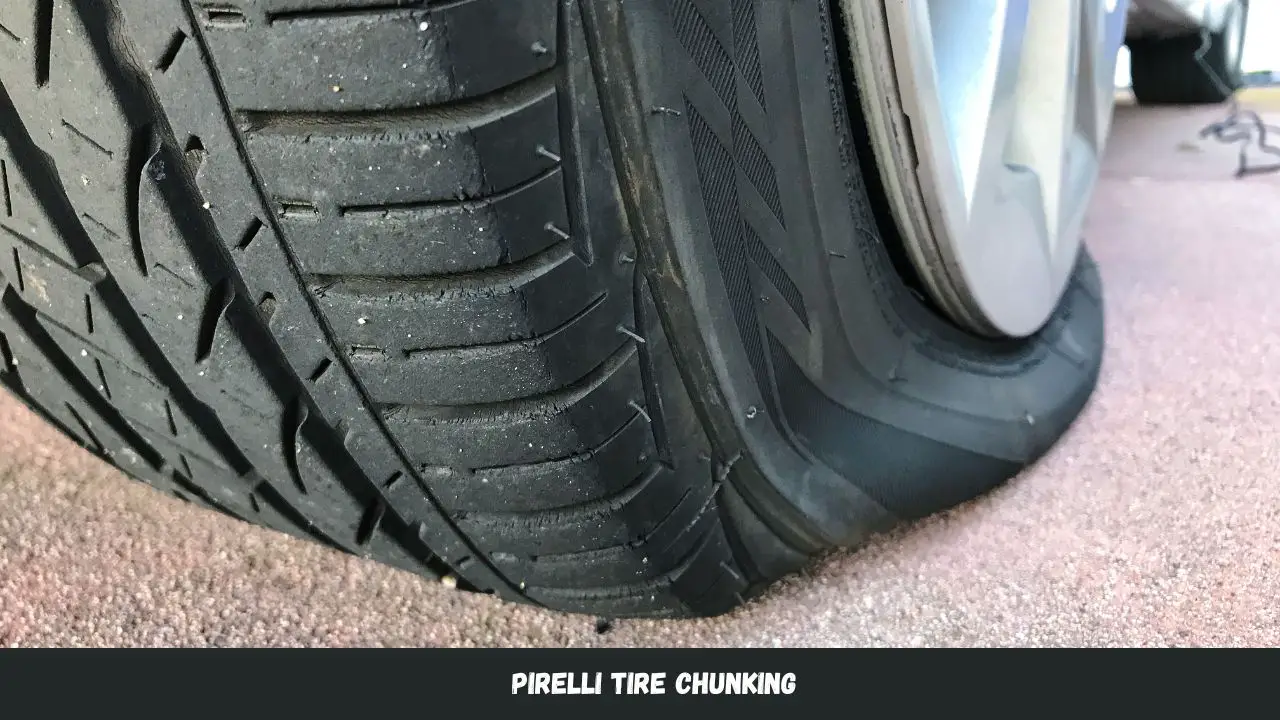
Pirelli Tire Chunking

Are you tired of constantly replacing your tires? Have you ever wondered why your tires seem to wear out so quickly? Well, if you’ve experienced chunking on your Pirelli tires, you’re not alone. This frustrating phenomenon occurs when pieces of the tire tread start to break off, leaving your tires vulnerable to further damage. In this blog post, we’ll explore the causes of Pirelli tire chunking and provide some tips on how to prevent it from happening. So, let’s dive in and find out how you can keep your tires in top shape for longer! What Causes Tire Chunking? Before delving into the various causes of tire chunking, let’s first establish a clear understanding of what tire chunking entails. In my experience, it’s unwise to assume that all car owners are well-versed in tire and automobile terminology. Many individuals remain unfamiliar with seemingly common tire and car-related concepts, either because they’ve never encountered them or because they are relatively new to car ownership. If you see a tire that wears uniformly across its surface, there’s likely no cause for concern. But if you notice sections of the tire that appear to have significant chunks of rubber fabric missing, you may be dealing with a case of tire chunking. So, what exactly is tire chunking? Tire chunking refers to the condition in which a tire deteriorates to the point where it begins to disintegrate into small fragments. This degradation can occur gradually or suddenly, and it poses a significant safety risk. Tire chunking is most commonly associated with tires frequently used off-road or on unpaved and gravel surfaces. The consequences of tire chunking can be severe, including the potential for a tire blowout, which can lead to a serious accident. It is crucial to regularly inspect your tires and replace them if you detect any signs of wear and tear. With tire chunking, the tire doesn’t wear evenly; instead, random portions of the tire’s rubber fabric deteriorate, creating noticeable indentations. This type of tire damage demands immediate attention and action – neglecting it may lead to catastrophic consequences. Numerous accidents have been attributed to tire chunking leading to vehicles skidding off the road, overturn and even causing serious accidents. But what are some of the key causes of your Pirelli Tire Chunking You May Also Like: firestone vs goodyear Key Causes of Pirelli Tire Chunking There are a number of causes of tire chunking. Understanding the key causes of Pirelli Tire Chunking is crucial for maintaining road safety and maximizing tire longevity. Pirelli, a renowned tire manufacturer, produces high-quality tires, but even they are not immune to the potential challenges of tire chunking. In this next section, we’ll delve deeper into some of the primary factors that can lead to tire chunking in Pirelli tires. Let’s get straight to it. a) Tire Misalignment In general, a key contributor to tire chunking is associated with issues in the car’s suspension system, with misalignment being one of the most common concerns. Misalignment occurs when the tires deviate from their proper positioning, often resulting from encounters with potholes or speed bumps at high speeds, driving with under-inflated tires, or other factors. A misaligned tire stands as a significant factor contributing to tire chunking. To prevent misalignment, it is crucial to maintain optimal tire inflation, reduce speed when navigating roads riddled with potholes and bumps, and avoid pushing the limits of your driving abilities or replicating high-speed stunts, akin to those seen in the Fast and Furious movies, on such challenging road surfaces. b) Worn Shock Absorbers When a tire encounters a speed bump or pothole, the shock absorber plays a critical role in dampening the impact. However, if this component is in a state of disrepair, the tire becomes susceptible to issues such as tire chunking. c) Bent Wheel The car’s wheel is meticulously designed to ensure balanced rotation. Any deformation or bending of its edges can disrupt this equilibrium, leading to uneven and unbalanced wheel rotation. Consequently, this can result in abnormal wear patterns in the tires, such as tire chunking. d) Aggressive Driving Aggressive driving such as excessive acceleration, hard braking, and sharp cornering can generate high levels of heat in the tires, accelerating wear and potentially leading to tire chunking. It’s important to always control how you are driving to prevent tire chunking. e) Improper Tire Rotation Tire chunking can also be caused by improper tire rotation leading to uneven wear patterns. This may eventually lead to tire chunking. f) Overloading Carrying z load that exceeds the tire’s load rating can put excessive stress on the tires, causing them to deteriorate and potentially chunk. Always check the tire load rating from Pirelli tires to avoid overloading your tires. e) Tire Age This is an obvious cause for tire chunking. The more your tire ages even if they have plenty of tread left they tend to degrade over time. Old tires can become brittle and prone to tire chunking. f) Tire Quality Lower-quality or cheap tires may lack the durability of premium tires, making them more susceptible to chunking. g) Harsh Road Conditions Repeatedly driving on rough or gravel roads can accelerate tire wear and contribute to tire chunking. Avoid driving at high speeds in harsh road conditions to prevent your Pirelli tires from chunking. h) Extreme Temperatures Extreme heat or cold can affect tire performance and longevity. High temperatures can soften the tire compound, while extreme cold can make the tire more brittle. These extreme temperatures are more likely to cause tire chunking. Also Read: Dunlop Tire Chunking Is Tire Chunking a Sign of Poor Tire Quality? Is Pirelli Tire Chunking a sign of poor tire quality? A poor quality tire can lead to tire chunking and can lead to the recall of such tires from the market. When Pirelli tires, for instance identifies issues with a specific bunch of their tire production they’ll recall it from the market. But does that mean tire chunking is a sign of poor … Read more

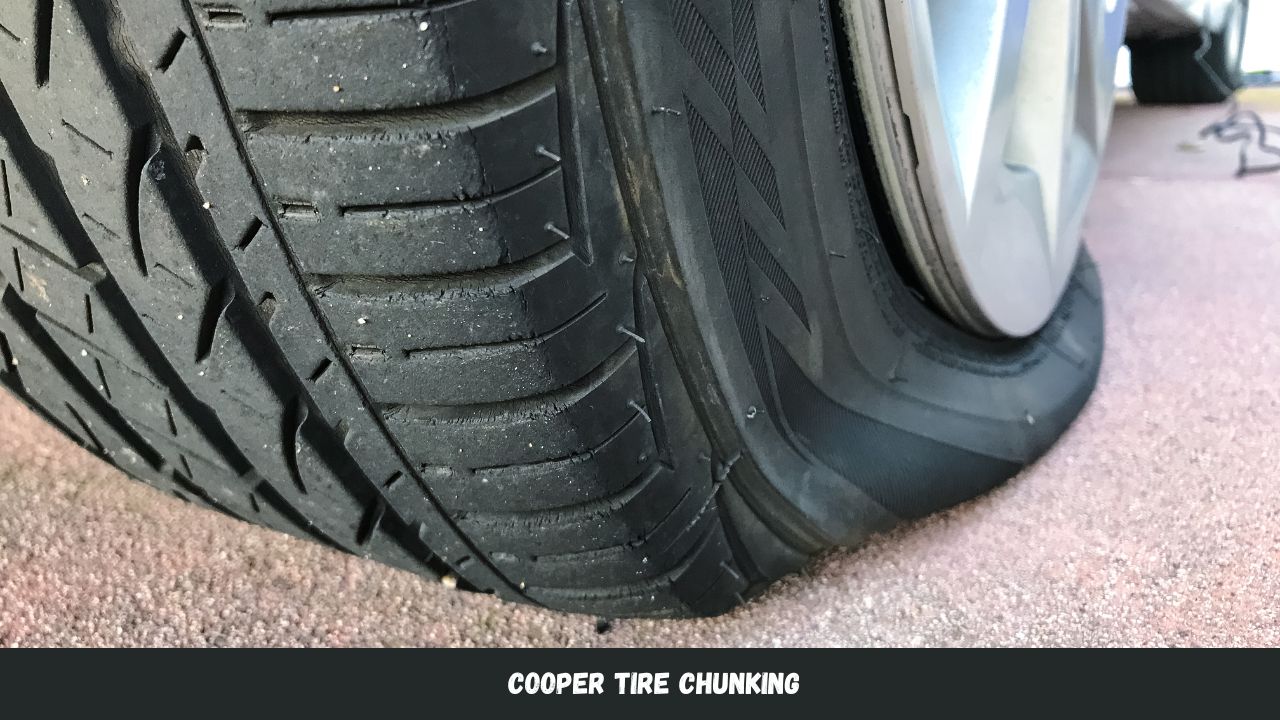
Cooper Tire Chunking: Key Causes + 7 Prevention Tips (An EXPERT Guide)

Cooper Tire Chunking

Are you tired of dealing with tire issues that seem to come out of nowhere? One common problem that many drivers face is tire chunking. You may have heard of it before, but do you really know what it is and how it can affect your driving experience? In this blog post, we will explore the world of Cooper Tire chunking, its causes, and the potential solutions to help you navigate the road with confidence. So, let’s dive in and uncover the mystery behind this frustrating tire issue. Tire chunking, also known as tire scalloping or cupping, refers to the uneven wear pattern that occurs on the surface of your tires. It often appears as small chunks or scallops missing from the tread, giving your tires a bumpy and uneven appearance. This phenomenon can be quite alarming, especially if you’re unsure of its causes and implications. But fear not, as we’re here to shed light on this issue and provide you with valuable insights to help you understand and address it effectively. What Causes Tire Chunking? Before delving into the various causes of tire chunking, let’s first establish a clear understanding of what tire chunking entails. In my experience, it’s unwise to assume that all car owners are well-versed in tire and automobile terminology. Many individuals remain unfamiliar with seemingly common tire and car-related concepts, either because they’ve never encountered them or because they are relatively new to car ownership. If you see a tire that wears uniformly across its surface, there’s likely no cause for concern. But if you notice sections of the tire that appear to have significant chunks of rubber fabric missing, you may be dealing with a case of tire chunking. So, what exactly is tire chunking? Tire chunking refers to the condition in which a tire deteriorates to the point where it begins to disintegrate into small fragments. This degradation can occur gradually or suddenly, and it poses a significant safety risk. Tire chunking is most commonly associated with tires frequently used off-road or on unpaved and gravel surfaces. The consequences of tire chunking can be severe, including the potential for a tire blowout, which can lead to a serious accident. It is crucial to regularly inspect your tires and replace them if you detect any signs of wear and tear. With tire chunking, the tire doesn’t wear evenly; instead, random portions of the tire’s rubber fabric deteriorate, creating noticeable indentations. This type of tire damage demands immediate attention and action – neglecting it may lead to catastrophic consequences. Numerous accidents have been attributed to tire chunking leading to vehicles skidding off the road, overturn and even causing serious accidents. But what are some of the key causes of your Cooper Tire Chunking You May Also Like: goodyear ultragrip performance vs michelin alpin 5 Key Causes of Cooper Tire Chunking There are a number of causes of tire chunking. Understanding the key causes of Cooper Tire Chunking is crucial for maintaining road safety and maximizing tire longevity. Cooper, a renowned tire manufacturer, produces high-quality tires, but even they are not immune to the potential challenges of tire chunking. In this next section, we’ll delve deeper into some of the primary factors that can lead to tire chunking in Cooper tires. Let’s get straight to it. a) Tire Misalignment In general, a key contributor to tire chunking is associated with issues in the car’s suspension system, with misalignment being one of the most common concerns. Misalignment occurs when the tires deviate from their proper positioning, often resulting from encounters with potholes or speed bumps at high speeds, driving with under-inflated tires, or other factors. A misaligned tire stands as a significant factor contributing to tire chunking. To prevent misalignment, it is crucial to maintain optimal tire inflation, reduce speed when navigating roads riddled with potholes and bumps, and avoid pushing the limits of your driving abilities or replicating high-speed stunts, akin to those seen in the Fast and Furious movies, on such challenging road surfaces. b) Worn Shock Absorbers When a tire encounters a speed bump or pothole, the shock absorber plays a critical role in dampening the impact. However, if this component is in a state of disrepair, the tire becomes susceptible to issues such as tire chunking. c) Bent Wheel The car’s wheel is meticulously designed to ensure balanced rotation. Any deformation or bending of its edges can disrupt this equilibrium, leading to uneven and unbalanced wheel rotation. Consequently, this can result in abnormal wear patterns in the tires, such as tire chunking. d) Aggressive Driving Aggressive driving such as excessive acceleration, hard braking, and sharp cornering can generate high levels of heat in the tires, accelerating wear and potentially leading to tire chunking. It’s important to always control how you are driving to prevent tire chunking. e) Improper Tire Rotation Tire chunking can also be caused by improper tire rotation leading to uneven wear patterns. This may eventually lead to tire chunking. f) Overloading Carrying z load that exceeds the tire’s load rating can put excessive stress on the tires, causing them to deteriorate and potentially chunk. Always check the tire load rating from Cooper tires to avoid overloading your tires. e) Tire Age This is an obvious cause for tire chunking. The more your tire ages even if they have plenty of tread left they tend to degrade over time. Old tires can become brittle and prone to tire chunking. f) Tire Quality Lower-quality or cheap tires may lack the durability of premium tires, making them more susceptible to chunking. g) Harsh Road Conditions Repeatedly driving on rough or gravel roads can accelerate tire wear and contribute to tire chunking. Avoid driving at high speeds in harsh road conditions to prevent your Cooper tires from chunking. h) Extreme Temperatures Extreme heat or cold can affect tire performance and longevity. High temperatures can soften the tire compound, while extreme cold can make the tire more brittle. These extreme temperatures are more likely … Read more

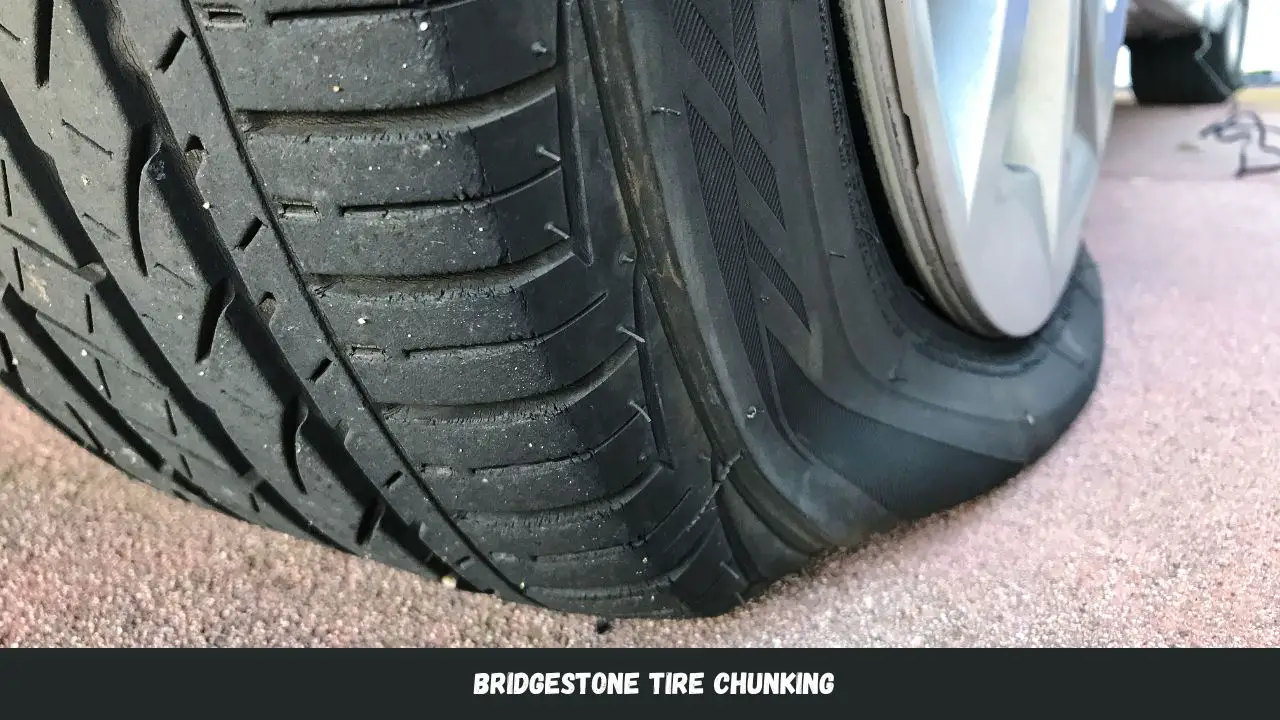
Bridgestone Tire Chunking: Key Causes + 7 Prevention Tips (An EXPERT Guide)

Bridgestone Tire Chunking

Are you tired of constantly replacing your tires? Have you ever wondered why they seem to wear out so quickly? Well, you’re not alone. Many drivers experience the frustration of tire chunking, a phenomenon that causes chunks of rubber to break off the tire’s tread. In this blog post, we will explore the causes of tire chunking and provide some tips on how to prevent it from happening. So, let’s dive in and uncover the secrets behind this tire mystery! Tire chunking can be a perplexing issue for car owners, as it not only affects the performance of their vehicle but also poses a safety risk. The sight of rubber chunks scattered on the road can be alarming, and the cost of replacing tires frequently can quickly add up. But what exactly causes tire chunking? Is it a result of poor tire quality, improper maintenance, or something else entirely? Let’s unravel the mystery and find out what lies beneath the surface of this tire dilemma. What Causes Tire Chunking? Before delving into the various causes of tire chunking, let’s first establish a clear understanding of what tire chunking entails. In my experience, it’s unwise to assume that all car owners are well-versed in tire and automobile terminology. Many individuals remain unfamiliar with seemingly common tire and car-related concepts, either because they’ve never encountered them or because they are relatively new to car ownership. If you see a tire that wears uniformly across its surface, there’s likely no cause for concern. But if you notice sections of the tire that appear to have significant chunks of rubber fabric missing, you may be dealing with a case of tire chunking. So, what exactly is tire chunking? Tire chunking refers to the condition in which a tire deteriorates to the point where it begins to disintegrate into small fragments. This degradation can occur gradually or suddenly, and it poses a significant safety risk. Tire chunking is most commonly associated with tires frequently used off-road or on unpaved and gravel surfaces. The consequences of tire chunking can be severe, including the potential for a tire blowout, which can lead to a serious accident. It is crucial to regularly inspect your tires and replace them if you detect any signs of wear and tear. With tire chunking, the tire doesn’t wear evenly; instead, random portions of the tire’s rubber fabric deteriorate, creating noticeable indentations. This type of tire damage demands immediate attention and action – neglecting it may lead to catastrophic consequences. Numerous accidents have been attributed to tire chunking leading to vehicles skidding off the road, overturn and even causing serious accidents. But what are some of the key causes of your Bridgestone Tire Chunking You May Also Like: goodyear vs bridgestone Key Causes of Bridgestone Tire Chunking There are a number of causes of tire chunking. Understanding the key causes of Bridgestone Tire Chunking is crucial for maintaining road safety and maximizing tire longevity. Bridgestone, a renowned tire manufacturer, produces high-quality tires, but even they are not immune to the potential challenges of tire chunking. In this next section, we’ll delve deeper into some of the primary factors that can lead to tire chunking in Bridgestone tires. Let’s get straight to it. a) Tire Misalignment In general, a key contributor to tire chunking is associated with issues in the car’s suspension system, with misalignment being one of the most common concerns. Misalignment occurs when the tires deviate from their proper positioning, often resulting from encounters with potholes or speed bumps at high speeds, driving with under-inflated tires, or other factors. A misaligned tire stands as a significant factor contributing to tire chunking. To prevent misalignment, it is crucial to maintain optimal tire inflation, reduce speed when navigating roads riddled with potholes and bumps, and avoid pushing the limits of your driving abilities or replicating high-speed stunts, akin to those seen in the Fast and Furious movies, on such challenging road surfaces. b) Worn Shock Absorbers When a tire encounters a speed bump or pothole, the shock absorber plays a critical role in dampening the impact. However, if this component is in a state of disrepair, the tire becomes susceptible to issues such as tire chunking. c) Bent Wheel The car’s wheel is meticulously designed to ensure balanced rotation. Any deformation or bending of its edges can disrupt this equilibrium, leading to uneven and unbalanced wheel rotation. Consequently, this can result in abnormal wear patterns in the tires, such as tire chunking. d) Aggressive Driving Aggressive driving such as excessive acceleration, hard braking, and sharp cornering can generate high levels of heat in the tires, accelerating wear and potentially leading to tire chunking. It’s important to always control how you are driving to prevent tire chunking. e) Improper Tire Rotation Tire chunking can also be caused by improper tire rotation leading to uneven wear patterns. This may eventually lead to tire chunking. f) Overloading Carrying z load that exceeds the tire’s load rating can put excessive stress on the tires, causing them to deteriorate and potentially chunk. Always check the tire load rating from Bridgestone tires to avoid overloading your tires. e) Tire Age This is an obvious cause for tire chunking. The more your tire ages even if they have plenty of tread left they tend to degrade over time. Old tires can become brittle and prone to tire chunking. f) Tire Quality Lower-quality or cheap tires may lack the durability of premium tires, making them more susceptible to chunking. g) Harsh Road Conditions Repeatedly driving on rough or gravel roads can accelerate tire wear and contribute to tire chunking. Avoid driving at high speeds in harsh road conditions to prevent your Bridgestone tires from chunking. h) Extreme Temperatures Extreme heat or cold can affect tire performance and longevity. High temperatures can soften the tire compound, while extreme cold can make the tire more brittle. These extreme temperatures are more likely to cause tire chunking. Also Read: Continental Tire Chunking Is Tire … Read more