Are Pirelli Tires Directional? Discover the Truth and Maximize Your Tire Performance!
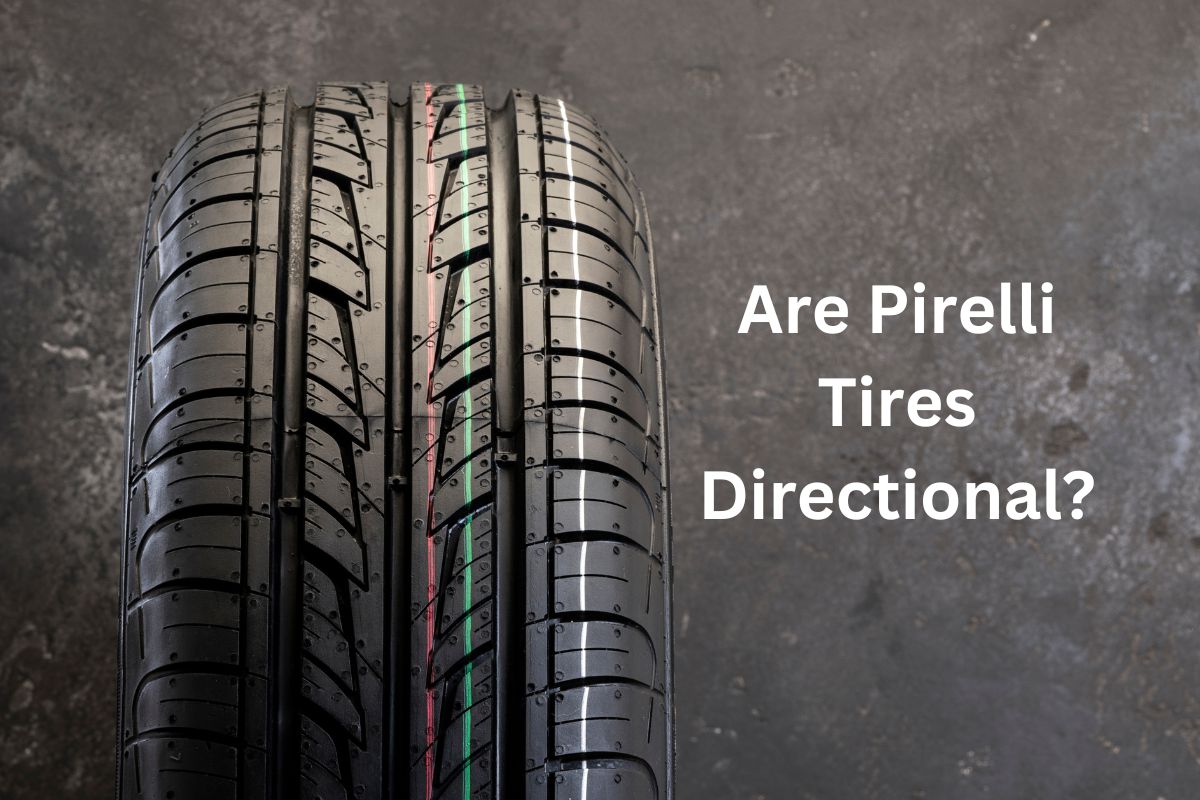
Are Pirelli Tires Directional?

Are Pirelli tires directional? It’s a question that many tire shoppers find themselves asking. When it comes to choosing the right tires for your vehicle, there are numerous factors to consider, and understanding whether or not Pirelli tires are directional is crucial. Directional tires have specific tread patterns designed to enhance performance in wet conditions, but what about Pirelli? In this blog post, we’ll delve into the world of Pirelli tires and shed light on whether they follow a directional design or not. So, if you’re in the market for new tires and want to make an informed decision, keep reading! Pirelli is a renowned tire brand known for its commitment to innovation and performance. As you explore their extensive range of tire options, you may come across terms like “asymmetric” or “directional,” leaving you wondering which one is right for your needs. Understanding the differences between these designs can help ensure optimal traction and handling on different road surfaces. So let’s dive deeper into the world of Pirelli tires and uncover whether they offer directional options or not! Highlights: Directional tires enhance traction and handling in wet conditions They reduce the risk of hydroplaning for improved safety Proper installation and maintenance are crucial for optimal performance What Are Directional Tires? Directional tires are a type of tire designed to enhance traction and handling in wet conditions. They feature a tread pattern with V-shaped grooves that help channel water away from the tire’s contact patch, reducing the risk of hydroplaning. These tires are optimized for forward motion, meaning they can only be mounted in one direction. Directional tires offer improved performance on wet roads but may not perform as well on dry surfaces. If you’re looking for enhanced safety and grip in rainy weather, directional tires might be worth considering for your vehicle. Are Pirelli Tires Directional? So, are Pirelli tires directional? Yes, some Pirelli tire models are indeed directional. Directional tires have a specific tread pattern designed to enhance water evacuation and improve traction in wet conditions. These tires typically feature an arrow or “rotation” indicator on the sidewall to ensure they are mounted correctly for optimal performance. It’s important to consult your vehicle’s manual or a trusted tire professional to determine if your specific Pirelli tire model is directional. By understanding the benefits of directional tires, you can make an informed decision when researching tire options for your vehicle’s needs. Also Read:Are Dunlop Tires Quiet or Noisy? Which Pirelli Tire Models Are Directional? Most tire brands have both directional and non-directional tires. Below is a list of some of the directional tire models from Pirelli tires. Please note this list is not exhaustive. Here are 5 Pirelli tire models that are directional: Pirelli P Zero Pirelli Scorpion Verde Pirelli Cinturato P7 Pirelli Winter Sottozero Pirelli P Zero Nero GT How Can I tell if My Pirelli Tires Are Directionals To determine if your Pirelli tires are directional, look for an arrow or a rotation indicator on the sidewall. Directional tires have a specific tread pattern designed to enhance performance and handling. The arrow or rotation indicator indicates the correct direction of rotation for optimal performance and safety. If you can’t find any markings, consult the tire manufacturer’s website or contact their customer service for guidance. Directional tires offer improved traction and water evacuation capabilities, making them ideal for wet road conditions. It’s crucial to mount them correctly to ensure maximum benefits. By following the directional arrow or rotation indicator, you’ll enjoy enhanced grip and maneuverability while driving with confidence in various weather conditions. Remember, proper maintenance and regular inspections are essential to prolonging tire life and ensuring optimal performance. Are Directional Tires Better? Directional tires are a popular choice among drivers looking for enhanced performance and safety on the road. These tires are designed to rotate in one direction only, with specific tread patterns that help improve traction and handling. However, like any other tire type, directional tires have their own set of pros and cons. Pros of directional tires: Improved traction on wet roads Better water evacuation, reducing hydroplaning risk Enhanced handling and stability Reduced road noise Cons of directional tires: Limited rotation options (can only be rotated front to back) Potentially higher cost compared to non-directional tires Tread pattern can wear unevenly if not properly maintained or aligned If you’re looking for improved performance and safety in wet conditions, directional tires may be the right choice for you. With their unique tread pattern designed to channel water away from the tire’s contact patch, these tires offer enhanced traction and reduced hydroplaning risk. Additionally, directional tires provide better handling and stability due to their optimized design. Another advantage is the reduction in road noise, resulting in a quieter ride. However, it’s important to consider some potential drawbacks. Directional tires have limited rotation options as they can only be moved from front to back. This limitation may affect tire lifespan and evenness of wear if not properly managed. Additionally, directional tires might come with a slightly higher price tag compared to non-directional alternatives. Also Read:Dunlop Tire Chunking Are Pirelli Directional Tires More Expensive? When it comes to Pirelli directional tires, cost can vary. Factors like tire size, model, and retailer influence the price. However, directional tires are generally not more expensive than their non-directional counterparts. These specialized tires offer enhanced performance in wet conditions by efficiently channeling water away from the tread. They also provide improved handling and traction. So, if you’re looking for reliable and safe driving in wet weather, Pirelli directional tires are a valuable investment that won’t break the bank. Choose wisely and enjoy a smooth ride with peace of mind! Directional vs non Directional Tires: Key Differences Directional tires and non-directional tires have distinct characteristics that make them suitable for different driving conditions. Directional tires are designed with a specific tread pattern that is intended to enhance water evacuation, providing better traction on wet roads. The tread pattern features grooves that are angled … Read more
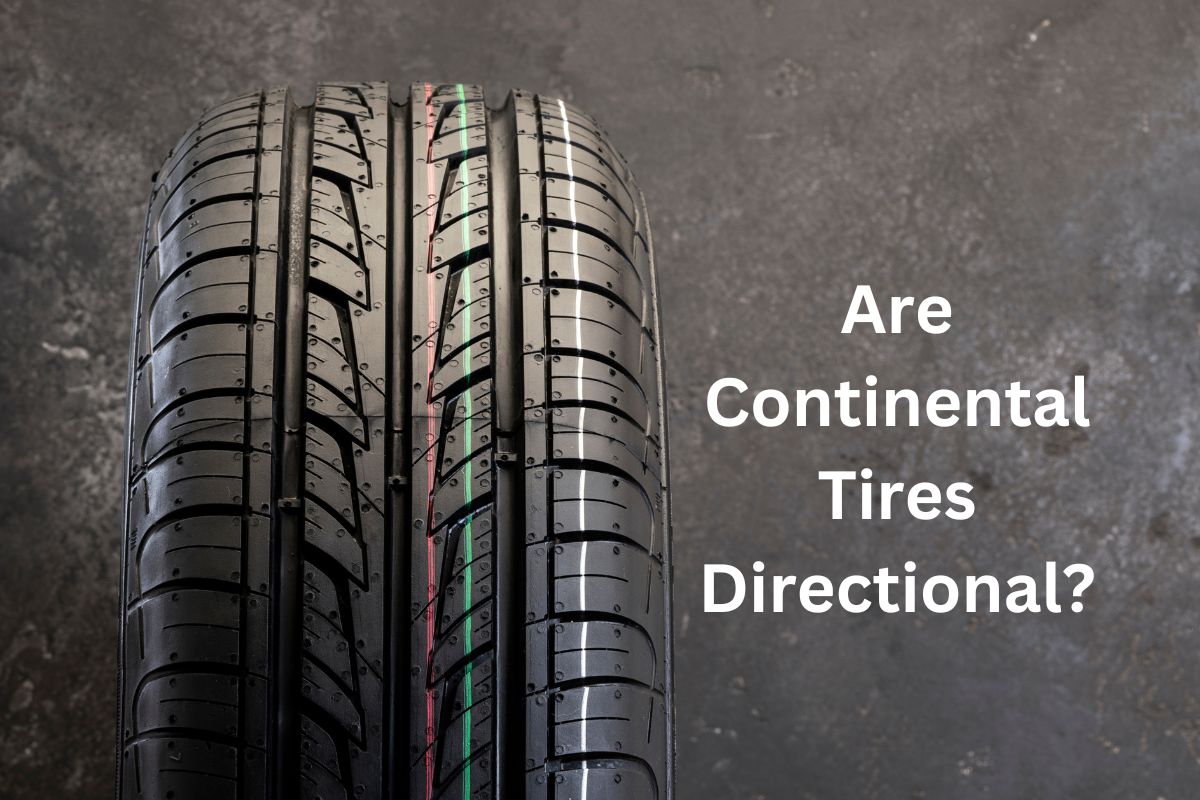
Are Continental Tires Directional? Discover the Surprising Truth!

Are Continental Tires Directional?

Are Continental tires directional? If you’ve found yourself pondering this question, you’re not alone. Understanding the intricacies of tire design can be a daunting task, especially when it comes to determining whether a tire is directional or not. In this blog post, we’ll dive into the world of Continental tires and shed light on their directional capabilities, providing you with valuable insights to help inform your tire purchasing decisions. When it comes to choosing the right tires for your vehicle, there are numerous factors to consider. Tread pattern, performance characteristics, and handling capabilities all play a crucial role in ensuring optimal safety and performance on the road. And while many tire manufacturers offer directional options, understanding how Continental approaches this aspect can make all the difference in finding the perfect fit for your needs. Highlights: Directional tires enhance traction and handling in wet conditions They reduce the risk of hydroplaning for improved safety Proper installation and maintenance are crucial for optimal performance What Are Directional Tires? Directional tires are a type of tire designed to enhance traction and handling in wet conditions. They feature a tread pattern with V-shaped grooves that help channel water away from the tire’s contact patch, reducing the risk of hydroplaning. These tires are optimized for forward motion, meaning they can only be mounted in one direction. Directional tires offer improved performance on wet roads but may not perform as well on dry surfaces. If you’re looking for enhanced safety and grip in rainy weather, directional tires might be worth considering for your vehicle. Are Continental Tires Directional? So, are Continental tires directional? Yes, some Continental tires are directional. Directional tires have a specific tread pattern designed to enhance traction and handling in wet conditions. They feature arrows on the sidewall indicating the correct rotation direction for optimal performance. However, not all Continental tires are directional; they offer a range of tire types to suit different driving needs. It’s important to consult your vehicle’s manual or a tire professional to determine if directional tires are recommended for your specific vehicle and driving conditions. Choose the right tire type based on your needs for a safer and more enjoyable driving experience. Also Read:Are Pirelli Tires Quiet or Noisy? Which Continental Tire Models Are Directional? Most tire brands have both directional and non-directional tires. Below is a list of some of the directional tire models from Continental tires. Please note this list is not exhaustive. Continental ExtremeContact DWS06 Continental ExtremeContact Sport Continental ContiSportContact 5P Continental ProContact TX Continental PureContact LS How Can I tell if My Continental Tires Are Directionals To determine if your Continental tires are directional, look for an arrow or the word “rotation” on the sidewall. If present, it means they are directional and should be mounted in a specific direction for optimal performance. Directional tires have tread patterns designed to enhance water evacuation and provide better traction. If you can’t find any markings indicating directionality, your Continental tires are likely non-directional. These tires can be mounted in any direction without affecting their performance. Remember to regularly rotate your tires to ensure even wear and prolong their lifespan. For more information, consult the tire manufacturer’s guidelines or reach out to a professional tire specialist. In summary, check for arrows or the word “rotation” on your Continental tire’s sidewall to determine if they are directional. If not found, they are likely non-directional and can be mounted in any direction. Regular rotation is important for maintaining tire performance and longevity. For further assistance, consult manufacturer guidelines or seek advice from a tire specialist. Are Directional Tires Better? Directional tires are a popular choice among drivers looking for enhanced performance and safety on the road. These tires are designed to rotate in one direction only, with specific tread patterns that help improve traction and handling. However, like any other tire type, directional tires have their own set of pros and cons. Pros of directional tires: Improved traction on wet roads Better water evacuation, reducing hydroplaning risk Enhanced handling and stability Reduced road noise Cons of directional tires: Limited rotation options (can only be rotated front to back) Potentially higher cost compared to non-directional tires Tread pattern can wear unevenly if not properly maintained or aligned If you’re looking for improved performance and safety in wet conditions, directional tires may be the right choice for you. With their unique tread pattern designed to channel water away from the tire’s contact patch, these tires offer enhanced traction and reduced hydroplaning risk. Additionally, directional tires provide better handling and stability due to their optimized design. Another advantage is the reduction in road noise, resulting in a quieter ride. However, it’s important to consider some potential drawbacks. Directional tires have limited rotation options as they can only be moved from front to back. This limitation may affect tire lifespan and evenness of wear if not properly managed. Additionally, directional tires might come with a slightly higher price tag compared to non-directional alternatives. Also Read:Pirelli Tire Chunking Are Continental Directional Tires More Expensive? Looking for directional tires? Wondering if they’re pricier? Continental directional tires offer superior performance and safety, but are they more expensive? Let’s find out. While prices vary depending on the model and size, directional tires generally fall within a similar price range as other tire types. However, it’s important to consider the long-term benefits of directional tires, such as improved traction and handling in wet conditions. So, while you may pay a bit more upfront, the added safety and performance make it a worthwhile investment. Choose Continental for reliable quality at competitive prices. Directional vs non Directional Tires: Key Differences Directional tires and non-directional tires have distinct characteristics that make them suitable for different driving conditions. Directional tires are designed with a specific tread pattern that is intended to enhance water evacuation, providing better traction on wet roads. The tread pattern features grooves that are angled in one direction, allowing the tire to effectively disperse water and reduce the … Read more

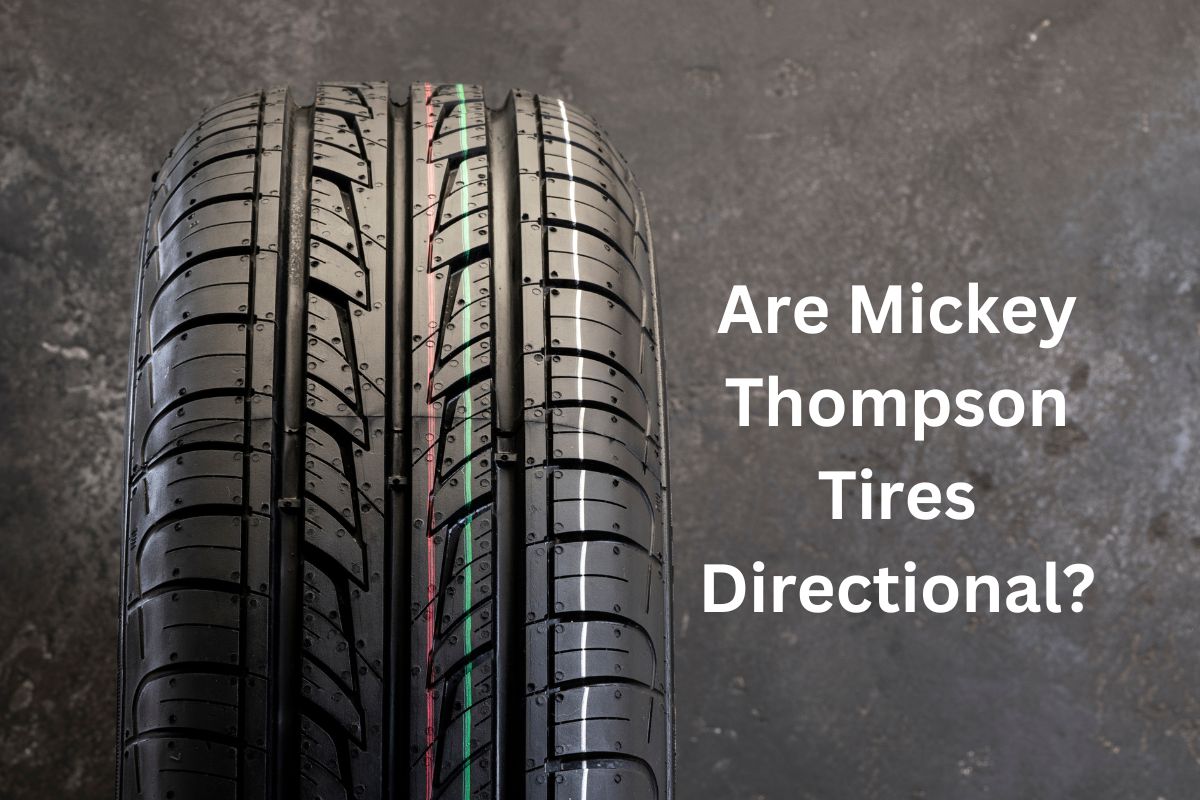
Are Mickey Thompson Tires Directional? Discover the Truth and Maximize Performance!

Are Mickey Thompson Tires Directional?

Are Mickey Thompson tires directional? It’s a question that many tire enthusiasts and car owners have pondered. When it comes to choosing the right tires for your vehicle, understanding their directional capabilities is crucial. Directional tires offer unique benefits in terms of performance and safety, but how do Mickey Thompson tires fit into this equation? In this blog post, we’ll dive deep into the world of Mickey Thompson tires to uncover whether they are indeed directional or not. Mickey Thompson is a renowned brand in the tire industry, known for its high-performance offerings that cater to off-road enthusiasts and street racers alike. With such a reputation, it’s natural to wonder if their tires follow the same directional design principles as other brands. Understanding whether Mickey Thompson offers directional options can help you make an informed decision when selecting your next set of tires. So let’s explore this topic further and discover what sets Mickey Thompson apart when it comes to tire directionality. Highlights: Directional tires enhance traction and handling in wet conditions They reduce the risk of hydroplaning for improved safety Proper installation and maintenance are crucial for optimal performance What Are Directional Tires? Directional tires are a type of tire designed to enhance traction and handling in wet conditions. They feature a tread pattern with V-shaped grooves that help channel water away from the tire’s contact patch, reducing the risk of hydroplaning. These tires are optimized for forward motion, meaning they can only be mounted in one direction. Directional tires offer improved performance on wet roads but may not perform as well on dry surfaces. If you’re looking for enhanced safety and grip in rainy weather, directional tires might be worth considering for your vehicle. Are Mickey Thompson Tires Directional? So, are Mickey Thompson tires directional? Yes, they are. Mickey Thompson offers a range of high-performance tires that are designed to be mounted in a specific direction for optimal performance and safety. Directional tires have tread patterns that are specifically engineered to enhance traction and handling by channeling water away from the tire’s contact patch. This feature is particularly beneficial in wet conditions, reducing the risk of hydroplaning and improving overall grip. When considering Mickey Thompson tires, it’s important to ensure proper installation and alignment for maximum effectiveness on the road. Choose directional tires for enhanced performance and peace of mind during your drives. Also Read:Are Nokian Tires Quiet or Noisy? Which Mickey Thompson Tire Models Are Directional? Most tire brands have both directional and non-directional tires. Below is a list of some of the directional tire models from Mickey Thompson tires. Please note this list is not exhaustive. Here are 5 directional Mickey Thompson tire models: Mickey Thompson Baja ATZ P3 Mickey Thompson Deegan 38 All-Terrain Mickey Thompson Baja MTZ P3 Mickey Thompson Baja Claw TTC Radial Mickey Thompson Deegan 38 Mud Terrain How Can I tell if My Mickey Thompson Tires Are Directionals To determine if your Mickey Thompson tires are directionals, look for arrows or directional indicators on the sidewall of the tire. Directional tires have a specific tread pattern designed to enhance traction and handling in wet conditions. The arrows typically point in the direction of rotation, indicating how the tire should be mounted on your vehicle. If there are no arrows or directional indicators present, then your Mickey Thompson tires are likely non-directional and can be mounted in any direction. Directional tires offer improved performance in wet weather by channeling water away from the tire’s contact patch. This helps reduce hydroplaning and increases grip on wet roads. However, it’s important to note that directional tires must be rotated front to back only, as rotating them side to side can affect their performance. When choosing new tires, consider factors such as driving conditions and preferences before deciding between directional or non-directional options. Consulting with a knowledgeable tire professional can also provide valuable insights tailored to your specific needs. Are Directional Tires Better? Directional tires are a popular choice among drivers looking for enhanced performance and safety on the road. These tires are designed to rotate in one direction only, with specific tread patterns that help improve traction and handling. However, like any other tire type, directional tires have their own set of pros and cons. Pros of directional tires: Improved traction on wet roads Better water evacuation, reducing hydroplaning risk Enhanced handling and stability Reduced road noise Cons of directional tires: Limited rotation options (can only be rotated front to back) Potentially higher cost compared to non-directional tires Tread pattern can wear unevenly if not properly maintained or aligned If you’re looking for improved performance and safety in wet conditions, directional tires may be the right choice for you. With their unique tread pattern designed to channel water away from the tire’s contact patch, these tires offer enhanced traction and reduced hydroplaning risk. Additionally, directional tires provide better handling and stability due to their optimized design. Another advantage is the reduction in road noise, resulting in a quieter ride. However, it’s important to consider some potential drawbacks. Directional tires have limited rotation options as they can only be moved from front to back. This limitation may affect tire lifespan and evenness of wear if not properly managed. Additionally, directional tires might come with a slightly higher price tag compared to non-directional alternatives. Also Read:Mickey Thompson Tire Chunking Are Mickey Thompson Directional Tires More Expensive? Mickey Thompson directional tires: Are they pricier? Find out now. When it comes to tire options, cost is a crucial factor. But are Mickey Thompson directional tires more expensive? Let’s dive in. While prices may vary, Mickey Thompson directional tires tend to be competitively priced compared to other brands in the market. However, their exceptional performance and innovative design make them worth the investment for those seeking superior traction and handling. Discover why Mickey Thompson directional tires strike the perfect balance between quality and affordability for your vehicle needs. Start exploring today! Directional vs non Directional Tires: Key Differences Directional … Read more

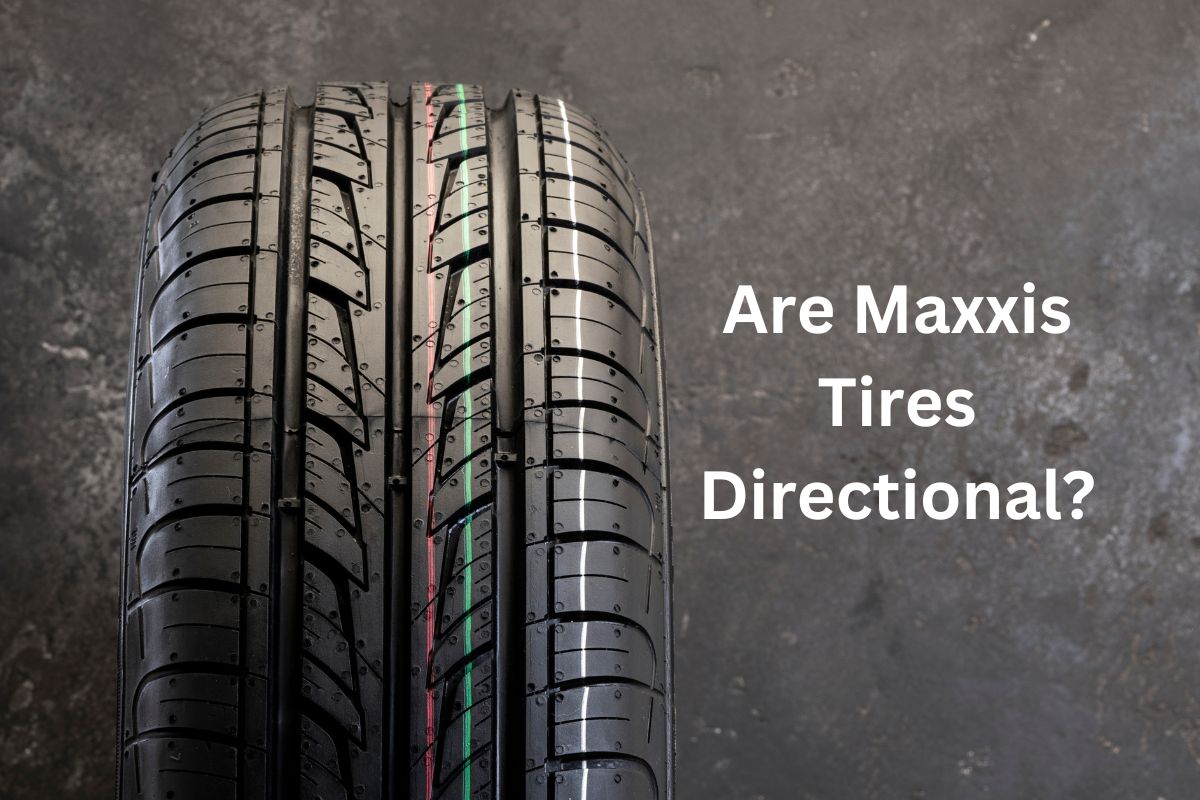
Are Maxxis Tires Directional? Unveiling the Truth and Boosting Your Tire Knowledge

Are Maxxis Tires Directional?

Are Maxxis tires directional? It’s a question that has likely crossed the minds of many tire enthusiasts and car owners looking for the best performance and safety on the road. Understanding the directional nature of tires is crucial when it comes to optimizing traction, handling, and overall driving experience. In this blog post, we’ll delve into the topic of Maxxis tires and their directionality, exploring what it means for your vehicle’s performance and how it can impact your driving experience. When it comes to choosing the right set of tires for your vehicle, there are several factors to consider. Tread pattern, tire size, load capacity – these are all important aspects that can affect how your car handles different road conditions. But what about directionality? Does it really matter if your Maxxis tires are directional or not? We’ll uncover the truth behind this common tire query and provide you with valuable insights to help you make an informed decision when selecting new tires for your vehicle. Highlights: Directional tires enhance traction and handling in wet conditions They reduce the risk of hydroplaning for improved safety Proper installation and maintenance are crucial for optimal performance What Are Directional Tires? Directional tires are a type of tire designed to enhance traction and handling in wet conditions. They feature a tread pattern with V-shaped grooves that help channel water away from the tire’s contact patch, reducing the risk of hydroplaning. These tires are optimized for forward motion, meaning they can only be mounted in one direction. Directional tires offer improved performance on wet roads but may not perform as well on dry surfaces. If you’re looking for enhanced safety and grip in rainy weather, directional tires might be worth considering for your vehicle. Are Maxxis Tires Directional? So, are Maxxis tires directional? Yes, Maxxis offers both directional and non-directional tire options. Directional tires have a specific tread pattern designed to enhance traction and handling in wet conditions by channeling water away from the tire’s contact patch. These tires typically have an arrow or “rotation” indication on the sidewall to ensure proper installation. On the other hand, non-directional tires can be mounted in any direction without affecting performance. It’s important to consult your vehicle manufacturer’s recommendations and consider your driving needs when choosing between these two types of Maxxis tires for optimal performance on the road. Also Read:Are Mickey Thompson Tires Quiet or Noisy? Which Maxxis Tire Models Are Directional? Most tire brands have both directional and non-directional tires. Below is a list of some of the directional tire models from Maxxis tires. Please note this list is not exhaustive. Maxxis Bravo Series Maxxis Escapade Series Maxxis HT-760 Series Maxxis MA-P1 Series Maxxis MA-Z1 Series Maxxis M-8060 Trepador Series Maxxis MT-754 Buckshot Mudder II Series Maxxis MT-762 Bighorn Series + How Can I tell if My Maxxis Tires Are Directionals To determine if your Maxxis tires are directional, look for an arrow or the word “rotation” on the sidewall. If present, it indicates that the tire is designed to rotate in a specific direction for optimal performance and safety. Directional tires have tread patterns that are engineered to channel water away from the tire’s contact patch, reducing hydroplaning risk and improving traction. If you don’t see any arrows or rotation indicators, your Maxxis tires are likely non-directional. These tires can be mounted on either side of the vehicle and rotated in any direction without affecting their performance. Remember to consult your vehicle’s owner manual or contact a professional if you’re unsure about your specific tire model. Stay safe on the road with properly installed and maintained Maxxis tires! Are Directional Tires Better? Directional tires are a popular choice among drivers looking for enhanced performance and safety on the road. These tires are designed to rotate in one direction only, with specific tread patterns that help improve traction and handling. However, like any other tire type, directional tires have their own set of pros and cons. Pros of directional tires: Improved traction on wet roads Better water evacuation, reducing hydroplaning risk Enhanced handling and stability Reduced road noise Cons of directional tires: Limited rotation options (can only be rotated front to back) Potentially higher cost compared to non-directional tires Tread pattern can wear unevenly if not properly maintained or aligned If you’re looking for improved performance and safety in wet conditions, directional tires may be the right choice for you. With their unique tread pattern designed to channel water away from the tire’s contact patch, these tires offer enhanced traction and reduced hydroplaning risk. Additionally, directional tires provide better handling and stability due to their optimized design. Another advantage is the reduction in road noise, resulting in a quieter ride. However, it’s important to consider some potential drawbacks. Directional tires have limited rotation options as they can only be moved from front to back. This limitation may affect tire lifespan and evenness of wear if not properly managed. Additionally, directional tires might come with a slightly higher price tag compared to non-directional alternatives. Also Read:Maxxis Tire Chunking Are Maxxis Directional Tires More Expensive? Maxxis directional tires offer superior performance and safety, but are they more expensive? The answer is no. While directional tires may seem pricier upfront, their long-lasting durability and enhanced traction make them a cost-effective choice in the long run. Maxxis directional tires are designed to optimize water evacuation and reduce hydroplaning, ensuring a safer driving experience. With their advanced technology and exceptional quality, Maxxis directional tires provide excellent value for money. So if you’re looking for reliable and affordable tires that deliver top-notch performance, choose Maxxis directional tires for your vehicle. Directional vs non Directional Tires: Key Differences Directional tires and non-directional tires have distinct characteristics that make them suitable for different driving conditions. Directional tires are designed with a specific tread pattern that is intended to enhance water evacuation, providing better traction on wet roads. The tread pattern features grooves that are angled in one direction, allowing the tire to … Read more

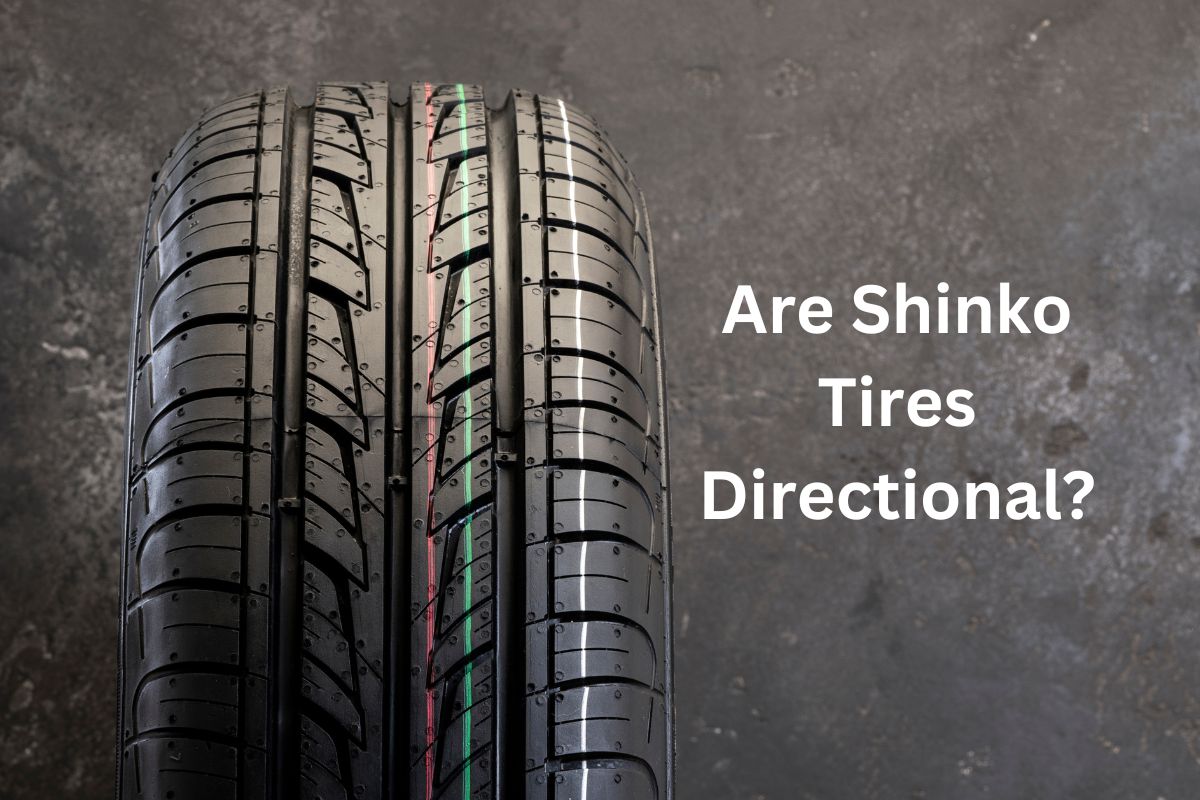
Are Shinko Tires Directional? Discover the Truth and Maximize Your Tire Performance

Are Shinko Tires Directional?

Are Shinko tires directional? It’s a question that many tire enthusiasts and riders have pondered. When it comes to choosing the right tires for your motorcycle, understanding their directional capabilities is crucial. Directional tires are designed to enhance performance and safety, but what about Shinko tires? In this blog post, we’ll explore the world of Shinko tires and shed light on whether they are directional or not. So, if you’re in the market for new motorcycle tires and want to make an informed decision, keep reading! Shinko has gained a reputation for producing high-quality motorcycle tires that deliver exceptional performance on various road conditions. But when it comes to determining whether their tires are directional or not, things can get a bit confusing. Understanding the benefits of directional tread patterns and how they affect your riding experience is essential in making an informed choice. So let’s dive deeper into the world of Shinko tires and unravel the mystery behind their directionality! Highlights: Directional tires enhance traction and handling in wet conditions They reduce the risk of hydroplaning for improved safety Proper installation and maintenance are crucial for optimal performance What Are Directional Tires? Directional tires are a type of tire designed to enhance traction and handling in wet conditions. They feature a tread pattern with V-shaped grooves that help channel water away from the tire’s contact patch, reducing the risk of hydroplaning. These tires are optimized for forward motion, meaning they can only be mounted in one direction. Directional tires offer improved performance on wet roads but may not perform as well on dry surfaces. If you’re looking for enhanced safety and grip in rainy weather, directional tires might be worth considering for your vehicle. Are Shinko Tires Directional? So, are Shinko tires directional? Yes, some Shinko tire models are directional. Directional tires have a specific tread pattern designed to enhance traction and handling in wet conditions by channeling water away from the tire’s contact patch. However, not all Shinko tires are directional, so it’s important to check the specific model you’re interested in. By incorporating a semantic search approach, we aim to provide valuable and relevant information for individuals researching tire options. Stay informed and make an educated choice for your vehicle’s needs. Also Read:Are Summit Tires Quiet or Noisy? Which Shinko Tire Models Are Directional? Most tire brands have both directional and non-directional tires. Below is a list of some of the directional tire models from Shinko tires. Please note this list is not exhaustive. Here are 5 Shinko tire models that are directional: Shinko 005 Advance Shinko 009 Raven Shinko 010 Apex Shinko 016 Verge 2X Shinko SR241 Please note that this is not an exhaustive list, and there may be other Shinko tire models that are also directional. How Can I tell if My Shinko Tires Are Directionals Determining if your Shinko tires are directional is easy. Look for an arrow or the word “rotation” on the sidewall. If you find either, it means your tires are directional and must be mounted in a specific direction for optimal performance. Directional tires have tread patterns designed to channel water away from the tire’s center, enhancing traction and reducing hydroplaning risks. To ensure proper installation, align the arrow or rotation indicator with the direction of travel. Mounting them incorrectly can lead to reduced grip, increased noise levels, and compromised handling. Remember to consult your vehicle’s manual or a professional if you’re unsure about mounting directional tires correctly. Stay safe on the road by following manufacturer guidelines for tire maintenance and installation. Note: The information provided is accurate at the time of writing but may be subject to change as new tire models are released. Always refer to Shinko’s official documentation or consult a certified dealer for up-to-date information regarding their tire products. Are Directional Tires Better? Directional tires are a popular choice among drivers looking for enhanced performance and safety on the road. These tires are designed to rotate in one direction only, with specific tread patterns that help improve traction and handling. However, like any other tire type, directional tires have their own set of pros and cons. Pros of directional tires: Improved traction on wet roads Better water evacuation, reducing hydroplaning risk Enhanced handling and stability Reduced road noise Cons of directional tires: Limited rotation options (can only be rotated front to back) Potentially higher cost compared to non-directional tires Tread pattern can wear unevenly if not properly maintained or aligned If you’re looking for improved performance and safety in wet conditions, directional tires may be the right choice for you. With their unique tread pattern designed to channel water away from the tire’s contact patch, these tires offer enhanced traction and reduced hydroplaning risk. Additionally, directional tires provide better handling and stability due to their optimized design. Another advantage is the reduction in road noise, resulting in a quieter ride. However, it’s important to consider some potential drawbacks. Directional tires have limited rotation options as they can only be moved from front to back. This limitation may affect tire lifespan and evenness of wear if not properly managed. Additionally, directional tires might come with a slightly higher price tag compared to non-directional alternatives. Also Read:Uniroyal Tire Chunking Are Shinko Directional Tires More Expensive? Shinko directional tires: Are they pricier? Find out here. When it comes to tire costs, many factors come into play. While Shinko directional tires offer superior performance and handling, their prices may vary depending on size, brand, and retailer. However, investing in these high-quality tires can enhance your driving experience and safety on the road. Discover the latest pricing trends and make an informed decision for your vehicle. Explore our comprehensive guide today! Directional vs non Directional Tires: Key Differences Directional tires and non-directional tires have distinct characteristics that make them suitable for different driving conditions. Directional tires are designed with a specific tread pattern that is intended to enhance water evacuation, providing better traction on wet roads. The tread pattern … Read more