Are Nitto Tires Quiet or Noisy? Unveiling the Truth
Are Nitto Tires Quiet or Noisy?

Are Nitto tires as quiet as they claim to be? This is a question that many car owners find themselves asking when it comes time to replace their old tires. After all, who wouldn’t want a smooth and peaceful ride, free from the annoyance of loud road noise? But with so many tire options on the market, it can be difficult to determine which ones will truly deliver on their promise of a quiet driving experience. When it comes to tire noise, there are a multitude of factors that come into play, from the tread pattern to the type of rubber used. Nitto, a well-known tire brand, has gained a reputation for producing high-quality tires that offer excellent performance on the road. But do their tires live up to the expectation of being quiet as well? In this blog post, we will delve into the world of Nitto tires and explore whether they truly provide a quiet and peaceful ride or if they fall short in this aspect. So buckle up and get ready to discover the truth about Nitto tires and their noise levels. Are Nitto Tires Quiet or Noisy? When it comes to buying new tires a lot of factors come into play. One big one is tire noise. This is a crucial aspect that most drivers can’t ignore as they embark on their tire-searching journey. So, are Nitto tires quiet or noisy? Nitto tires are generally known for their quiet performance, providing a smooth and quiet ride for drivers. In a hurry here are our top 6 tire recommendations: Best Budget Tires Best Mid-Range Tires Best All-Season Tires Best Summer Tires Best Winter Tires Best Performance Tires Understanding Tire Noise Tire noise refers to the sound produced by the tires as they roll on the road surface. It is an important aspect of vehicle performance and can significantly impact the comfort and overall driving experience. Understanding tire noise involves recognizing the different types of noises and their causes. One common type of tire noise is known as tread pattern noise, which is generated by the interaction between the tire tread and the road surface. This noise can vary depending on the design and depth of the tire tread, as well as the road conditions. Another type of tire noise is known as tire whine, which is typically caused by uneven wear or misalignment of the tires. This noise can be more noticeable at higher speeds and may indicate the need for tire rotation or alignment. To understand tire noise, it is important to consider the factors that contribute to its generation. One such factor is tire design, including the tread pattern and the materials used. Different tread patterns can produce varying levels of noise, with more aggressive patterns generally generating more noise. Road conditions also play a significant role in tire noise, as rough or uneven surfaces can amplify the sound. Finally, tire maintenance and proper inflation are crucial in reducing tire noise. Underinflated or overinflated tires can lead to increased noise levels, as well as uneven wear, which can further contribute to tire noise. Also Read: goodyear assurance vs michelin primacy Factors Influencing Tire Noise There are a number of factors influencing tire noise. These include: Tread pattern: The design and arrangement of the tread pattern on a tire greatly affects the amount of noise it produces. Tires with aggressive tread patterns, such as those found on off-road or winter tires, tend to generate more noise compared to tires with smoother and less aggressive tread patterns. Tire compound: The type of rubber compound used in a tire can also impact its noise level. Softer rubber compounds, often used in high-performance tires, tend to generate more noise as they grip the road surface more aggressively, resulting in increased friction and noise. On the other hand, harder rubber compounds, commonly used in all-season or touring tires, can provide a quieter ride. Tire size: The size of the tire, particularly the width and aspect ratio, can influence the amount of noise it produces. Wider tires generally produce more noise compared to narrower ones, as the wider contact patch creates more friction and consequently more noise. Additionally, tires with a lower aspect ratio (shorter sidewalls) may generate more noise due to reduced cushioning and increased rigidity. Tire age and wear: As tires age and wear down, they tend to produce more noise. This is because the tread becomes shallower, reducing the tire’s ability to absorb road vibrations and noise. Additionally, worn-out tires may develop irregular wear patterns, leading to increased noise levels. Other factors influencing tire noise include road surface conditions, vehicle speed, and air pressure in the tires. It’s important to consider these factors when selecting tires, as noise levels can greatly impact the overall comfort and driving experience. You May Also Like: Nitto Tire Chunking Are Nitto Tires More Quiet Than Other Brands? Yes, Nitto tires are generally known to be quieter than other brands. They are designed with advanced technology and specialized tread patterns that help reduce road noise and provide a smoother and quieter ride. Nitto tires are specifically engineered to prioritize comfort and reduce noise levels. They use innovative materials and construction techniques to minimize vibrations and road noise, resulting in a quieter driving experience. Additionally, Nitto offers a wide range of tire options, allowing customers to choose tires that are specifically designed for quiet performance, such as their luxury touring or grand touring models. Are Nitto Tires More Noisy Than Other Brands? Nitto tires are not necessarily more noisy than other brands. The noise level of a tire depends on various factors such as the tread pattern, tire type, and road conditions. While some Nitto tire models may produce more noise than others, it is not accurate to generalize that Nitto tires are universally noisier than other brands. When comparing tire noise, it is essential to consider specific models within a brand and their intended use. Nitto offers a range of tires designed … Read more
Are Nexen Tires Quiet or Noisy? Unveiling the Truth

Are Nexen Tires Quiet or Noisy?

Are Nexen tires really as quiet as they claim to be? That’s the burning question on the minds of many car owners looking for a smooth and peaceful ride. -‘/9\pWe all know how annoying it can be to have a noisy tire that disrupts the tranquility of our journeys, but finding the perfect balance between performance and silence is no easy task. So, let’s dive into the world of Nexen tires and explore whether they truly live up to their reputation for providing a quiet and serene driving experience. When it comes to choosing the right tires for our vehicles, there are numerous factors to consider – durability, traction, fuel efficiency, and of course, noise level. While some drivers prioritize speed and performance, others value a peaceful and comfortable ride above all else. Nexen, a well-known tire brand, claims to offer a range of quiet tires that promise to minimize road noise and create a more serene driving environment. But do they really deliver on this promise? Let’s take a closer look at the various factors that contribute to tire noise and determine whether Nexen tires are indeed as quiet as they claim to be. Are Nexen Tires Quiet or Noisy? When it comes to buying new tires a lot of factors come into play. One big one is tire noise. This is a crucial aspect that most drivers can’t ignore as they embark on their tire-searching journey. So, are Nexen Tires quiet or noisy? Nexen Tires are generally quiet and provide a smooth and comfortable ride. In a hurry here are our top 6 tire recommendations: Best Budget Tires Best Mid-Range Tires Best All-Season Tires Best Summer Tires Best Winter Tires Best Performance Tires Understanding Tire Noise Tire noise refers to the sound produced by the tires as they roll on the road surface. It is an important aspect of vehicle performance and can significantly impact the comfort and overall driving experience. Understanding tire noise involves recognizing the different types of noises and their causes. One common type of tire noise is known as tread pattern noise, which is generated by the interaction between the tire tread and the road surface. This noise can vary depending on the design and depth of the tire tread, as well as the road conditions. Another type of tire noise is known as tire whine, which is typically caused by uneven wear or misalignment of the tires. This noise can be more noticeable at higher speeds and may indicate the need for tire rotation or alignment. To understand tire noise, it is important to consider the factors that contribute to its generation. One such factor is tire design, including the tread pattern and the materials used. Different tread patterns can produce varying levels of noise, with more aggressive patterns generally generating more noise. Road conditions also play a significant role in tire noise, as rough or uneven surfaces can amplify the sound. Finally, tire maintenance and proper inflation are crucial in reducing tire noise. Underinflated or overinflated tires can lead to increased noise levels, as well as uneven wear, which can further contribute to tire noise. Also Read: goodyear assurance vs michelin defender Factors Influencing Tire Noise There are a number of factors influencing tire noise. These include: Tread pattern: The design and arrangement of the tread pattern on a tire greatly affects the amount of noise it produces. Tires with aggressive tread patterns, such as those found on off-road or winter tires, tend to generate more noise compared to tires with smoother and less aggressive tread patterns. Tire compound: The type of rubber compound used in a tire can also impact its noise level. Softer rubber compounds, often used in high-performance tires, tend to generate more noise as they grip the road surface more aggressively, resulting in increased friction and noise. On the other hand, harder rubber compounds, commonly used in all-season or touring tires, can provide a quieter ride. Tire size: The size of the tire, particularly the width and aspect ratio, can influence the amount of noise it produces. Wider tires generally produce more noise compared to narrower ones, as the wider contact patch creates more friction and consequently more noise. Additionally, tires with a lower aspect ratio (shorter sidewalls) may generate more noise due to reduced cushioning and increased rigidity. Tire age and wear: As tires age and wear down, they tend to produce more noise. This is because the tread becomes shallower, reducing the tire’s ability to absorb road vibrations and noise. Additionally, worn-out tires may develop irregular wear patterns, leading to increased noise levels. Other factors influencing tire noise include road surface conditions, vehicle speed, and air pressure in the tires. It’s important to consider these factors when selecting tires, as noise levels can greatly impact the overall comfort and driving experience. You May Also Like: Nexen Tire Chunking Are Nexen Tires More Quiet Than Other Brands? Yes, Nexen tires are generally quieter than other brands due to their advanced noise reduction technology and innovative tread patterns. They are designed to minimize road noise and provide a quieter and more comfortable driving experience. Nexen tires utilize a variety of noise reduction features, such as optimized tread block arrangements, advanced rubber compounds, and specialized grooves, which help to reduce noise levels. Additionally, the brand conducts extensive research and development to continuously improve their tire designs and ensure a quieter ride for their customers. Are Nexen Tires More Noisy Than Other Brands? Yes, Nexen tires are generally considered to be noisier than other brands. Many users have reported increased road noise and tire roar when driving with Nexen tires compared to other tire brands. However, it is important to note that noise levels can vary depending on the specific model and type of tire within the Nexen brand. The noise levels of tires can be influenced by various factors such as tread pattern, tire construction, and the type of road surface. While Nexen tires may be noisier in … Read more

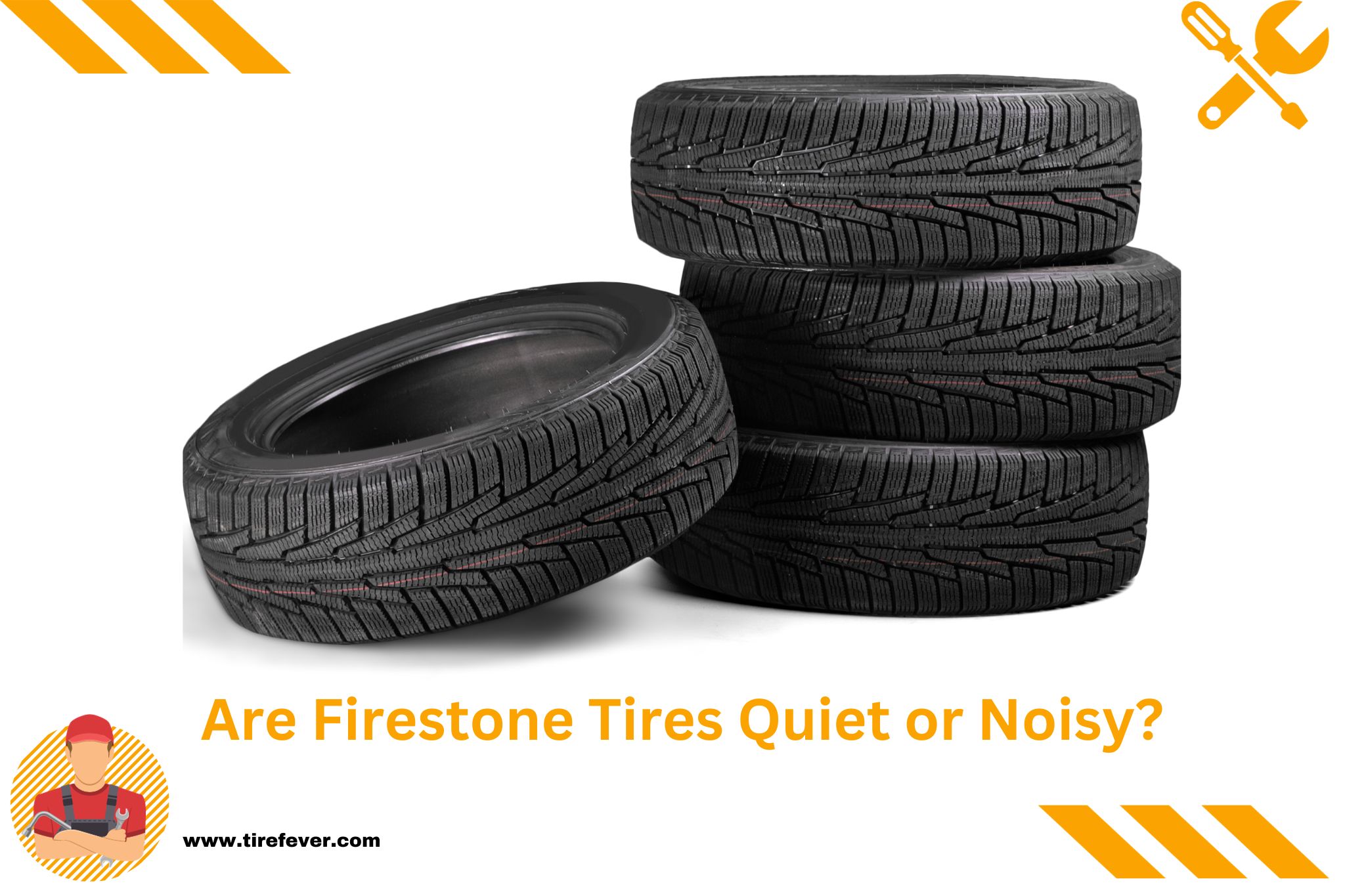
Are Firestone Tires Quiet or Noisy? Unveiling the Truth!

Are Firestone Tires Quiet or Noisy?

Are Firestone tires as quiet as a whisper or as noisy as a roaring thunderstorm? That is the burning question on the minds of many car owners seeking the perfect balance between comfort and performance. When it comes to choosing the right tires for your vehicle, noise levels can play a significant role in your overall driving experience. So, let’s dive into the world of Firestone tires and explore whether they are the epitome of tranquility or the source of constant rumbling on the road. When it comes to tire noise, there are various factors at play that can affect the overall sound level. The tread pattern, tire construction, and even the type of vehicle you drive can all contribute to the noise emitted by your tires. With Firestone being a well-known and respected tire brand, it’s only natural to wonder how their products fare in terms of noise reduction. So, let’s embark on this journey together and uncover whether Firestone tires can provide you with a serene and peaceful driving experience or if they might leave you longing for a quieter ride. Are Firestone Tires Quiet or Noisy? When it comes to buying new tires a lot of factors come into play. One big one is tire noise. This is a crucial aspect that most drivers can’t ignore as they embark on their tire-searching journey. So, are Firestone tires quiet or noisy? Firestone tires are generally quiet, providing a smooth and quiet ride for drivers. In a hurry here are our top 6 tire recommendations: Best Budget Tires Best Mid-Range Tires Best All-Season Tires Best Summer Tires Best Winter Tires Best Performance Tires Understanding Tire Noise Tire noise refers to the sound produced by the tires as they roll on the road surface. It is an important aspect of vehicle performance and can significantly impact the comfort and overall driving experience. Understanding tire noise involves recognizing the different types of noises and their causes. One common type of tire noise is known as tread pattern noise, which is generated by the interaction between the tire tread and the road surface. This noise can vary depending on the design and depth of the tire tread, as well as the road conditions. Another type of tire noise is known as tire whine, which is typically caused by uneven wear or misalignment of the tires. This noise can be more noticeable at higher speeds and may indicate the need for tire rotation or alignment. To understand tire noise, it is important to consider the factors that contribute to its generation. One such factor is tire design, including the tread pattern and the materials used. Different tread patterns can produce varying levels of noise, with more aggressive patterns generally generating more noise. Road conditions also play a significant role in tire noise, as rough or uneven surfaces can amplify the sound. Finally, tire maintenance and proper inflation are crucial in reducing tire noise. Underinflated or overinflated tires can lead to increased noise levels, as well as uneven wear, which can further contribute to tire noise. Also Read: goodyear vs michelin winter tires Factors Influencing Tire Noise There are a number of factors influencing tire noise. These include: Tread pattern: The design and arrangement of the tread pattern on a tire greatly affects the amount of noise it produces. Tires with aggressive tread patterns, such as those found on off-road or winter tires, tend to generate more noise compared to tires with smoother and less aggressive tread patterns. Tire compound: The type of rubber compound used in a tire can also impact its noise level. Softer rubber compounds, often used in high-performance tires, tend to generate more noise as they grip the road surface more aggressively, resulting in increased friction and noise. On the other hand, harder rubber compounds, commonly used in all-season or touring tires, can provide a quieter ride. Tire size: The size of the tire, particularly the width and aspect ratio, can influence the amount of noise it produces. Wider tires generally produce more noise compared to narrower ones, as the wider contact patch creates more friction and consequently more noise. Additionally, tires with a lower aspect ratio (shorter sidewalls) may generate more noise due to reduced cushioning and increased rigidity. Tire age and wear: As tires age and wear down, they tend to produce more noise. This is because the tread becomes shallower, reducing the tire’s ability to absorb road vibrations and noise. Additionally, worn-out tires may develop irregular wear patterns, leading to increased noise levels. Other factors influencing tire noise include road surface conditions, vehicle speed, and air pressure in the tires. It’s important to consider these factors when selecting tires, as noise levels can greatly impact the overall comfort and driving experience. You May Also Like: Hankook Tire Chunking Are Firestone Tires More Quiet Than Other Brands? Firestone tires may or may not be more quiet than other brands, as the level of noise can vary depending on the specific tire model and its design. It is recommended to compare the noise ratings and reviews of different tire brands and models to determine which ones are quieter. Are Firestone Tires More Noisy Than Other Brands? Firestone tires are not necessarily more noisy than other brands. The noise level of a tire depends on various factors such as the tread pattern, tire size, and road conditions. While some Firestone tire models may produce more noise than others, it is not accurate to generalize that all Firestone tires are noisier than other brands. The noise level of a tire can be influenced by the design of the tread pattern, with some patterns being quieter than others. Additionally, tire size can also affect noise levels, as wider tires tend to generate more noise. However, it is important to note that road conditions play a significant role in the noise produced by tires. Rough or uneven roads can amplify tire noise, regardless of the brand. Therefore, it is crucial to consider … Read more

Are BFGoodrich Tires Quiet or Noisy? Unveiling the Truth

Are BFGoodrich Tires Quiet or Noisy?

When it comes to choosing the perfect tires for your vehicle, there are a multitude of factors to consider. One of the most important aspects is the level of noise they produce while driving. So, let’s dive into the world of BFGoodrich tires and explore whether they are known for their quietness or if they tend to make a bit more noise on the road. BFGoodrich is a well-respected tire brand that has been around for over a century, known for their high-quality and durable tires. However, when it comes to noise levels, opinions tend to vary among drivers. Some swear by the quietness of BFGoodrich tires, while others claim they can be a bit on the noisy side. So, what’s the truth? Let’s delve deeper into the subject and uncover the real story behind BFGoodrich tires and their noise levels. Are BFGoodrich Tires Quiet or Noisy? When it comes to buying new tires a lot of factors come into play. One big one is tire noise. This is a crucial aspect that most drivers can’t ignore as they embark on their tire-searching journey. So, are BFGoodrich tires quiet or noisy? BFGoodrich tires are generally known for their quiet performance, providing a smooth and quiet ride on the road. In a hurry here are our top 6 tire recommendations: Best Budget Tires Best Mid-Range Tires Best All-Season Tires Best Summer Tires Best Winter Tires Best Performance Tires Understanding Tire Noise Tire noise refers to the sound produced by the tires as they roll on the road surface. It is an important aspect of vehicle performance and can significantly impact the comfort and overall driving experience. Understanding tire noise involves recognizing the different types of noises and their causes. One common type of tire noise is known as tread pattern noise, which is generated by the interaction between the tire tread and the road surface. This noise can vary depending on the design and depth of the tire tread, as well as the road conditions. Another type of tire noise is known as tire whine, which is typically caused by uneven wear or misalignment of the tires. This noise can be more noticeable at higher speeds and may indicate the need for tire rotation or alignment. To understand tire noise, it is important to consider the factors that contribute to its generation. One such factor is tire design, including the tread pattern and the materials used. Different tread patterns can produce varying levels of noise, with more aggressive patterns generally generating more noise. Road conditions also play a significant role in tire noise, as rough or uneven surfaces can amplify the sound. Finally, tire maintenance and proper inflation are crucial in reducing tire noise. Underinflated or overinflated tires can lead to increased noise levels, as well as uneven wear, which can further contribute to tire noise. Also Read: goodyear ultragrip performance vs michelin alpin 5 Factors Influencing Tire Noise There are a number of factors influencing tire noise. These include: Tread pattern: The design and arrangement of the tread pattern on a tire greatly affects the amount of noise it produces. Tires with aggressive tread patterns, such as those found on off-road or winter tires, tend to generate more noise compared to tires with smoother and less aggressive tread patterns. Tire compound: The type of rubber compound used in a tire can also impact its noise level. Softer rubber compounds, often used in high-performance tires, tend to generate more noise as they grip the road surface more aggressively, resulting in increased friction and noise. On the other hand, harder rubber compounds, commonly used in all-season or touring tires, can provide a quieter ride. Tire size: The size of the tire, particularly the width and aspect ratio, can influence the amount of noise it produces. Wider tires generally produce more noise compared to narrower ones, as the wider contact patch creates more friction and consequently more noise. Additionally, tires with a lower aspect ratio (shorter sidewalls) may generate more noise due to reduced cushioning and increased rigidity. Tire age and wear: As tires age and wear down, they tend to produce more noise. This is because the tread becomes shallower, reducing the tire’s ability to absorb road vibrations and noise. Additionally, worn-out tires may develop irregular wear patterns, leading to increased noise levels. Other factors influencing tire noise include road surface conditions, vehicle speed, and air pressure in the tires. It’s important to consider these factors when selecting tires, as noise levels can greatly impact the overall comfort and driving experience. You May Also Like: BFGoodrich Tire Chunking Are BFGoodrich Tires More Quiet Than Other Brands? Yes, BFGoodrich tires are generally known to be quieter than other brands. They have a reputation for providing a smooth and quiet ride due to their advanced tire technology and design. BFGoodrich tires incorporate features such as optimized tread patterns and noise-canceling technologies to reduce road noise and provide a quieter driving experience. These tires are designed to minimize vibrations and noise, resulting in a more comfortable and peaceful ride for drivers and passengers. Are BFGoodrich Tires More Noisy Than Other Brands? BFGoodrich tires are not necessarily more noisy than other brands. The noise level of a tire depends on various factors, including the specific model, tread pattern, and road conditions. While some BFGoodrich tires may produce more noise than others, it is not accurate to generalize that all BFGoodrich tires are noisier than tires from other brands. When comparing tire noise levels, it is important to consider the specific tire model and its intended use. Some BFGoodrich tires are designed for off-road or high-performance applications, which may result in increased noise due to their aggressive tread patterns. However, BFGoodrich also offers tires designed for a quieter and more comfortable ride, such as their touring or all-season models. Therefore, it is essential to research and select the appropriate BFGoodrich tire based on individual preferences and requirements to ensure a satisfactory noise level. What BFGoodrich Tires … Read more

Are Maxxis Tires Quiet or Noisy? Unveiling the Truth!

Are Maxxis Tires Quiet or Noisy?

Are Maxxis tires the quiet companions we all long for on our daily commutes, or do they leave us with a constant hum that grates on our nerves? This is a question that many drivers find themselves pondering when considering these popular tire options. While some may argue that noise levels are subjective and depend on various factors, such as road conditions and vehicle type, it is worth exploring the general consensus and experiences of Maxxis tire users. By delving into the characteristics, design, and customer feedback, we can gain a better understanding of whether Maxxis tires truly live up to their reputation as a silent ride. When it comes to tire selection, noise is a significant factor that can greatly impact our driving experience. The last thing we want is to be constantly bombarded by a cacophony of tire noise, drowning out our favorite tunes or peaceful moments of solitude. Maxxis, a well-known tire brand, offers a wide range of options for different vehicles and driving needs. But what do drivers have to say about the noise levels of Maxxis tires? Are they whisper-quiet, allowing for a serene journey, or do they emit an unwelcome symphony of noise that disrupts the tranquility of the ride? Let’s dive deeper into the world of Maxxis tires and uncover the truth behind their reputation for noise, or lack thereof. Are Maxxis Tires Quiet or Noisy? When it comes to buying new tires a lot of factors come into play. One big one is tire noise. This is a crucial aspect that most drivers can’t ignore as they embark on their tire-searching journey. So, are Maxxis tires quiet or noisy? Maxxis tires are generally quiet, providing a smooth and comfortable ride with minimal noise. In a hurry here are our top 6 tire recommendations: Best Budget Tires Best Mid-Range Tires Best All-Season Tires Best Summer Tires Best Winter Tires Best Performance Tires Understanding Tire Noise Tire noise refers to the sound produced by the tires as they roll on the road surface. It is an important aspect of vehicle performance and can significantly impact the comfort and overall driving experience. Understanding tire noise involves recognizing the different types of noises and their causes. One common type of tire noise is known as tread pattern noise, which is generated by the interaction between the tire tread and the road surface. This noise can vary depending on the design and depth of the tire tread, as well as the road conditions. Another type of tire noise is known as tire whine, which is typically caused by uneven wear or misalignment of the tires. This noise can be more noticeable at higher speeds and may indicate the need for tire rotation or alignment. To understand tire noise, it is important to consider the factors that contribute to its generation. One such factor is tire design, including the tread pattern and the materials used. Different tread patterns can produce varying levels of noise, with more aggressive patterns generally generating more noise. Road conditions also play a significant role in tire noise, as rough or uneven surfaces can amplify the sound. Finally, tire maintenance and proper inflation are crucial in reducing tire noise. Underinflated or overinflated tires can lead to increased noise levels, as well as uneven wear, which can further contribute to tire noise. Also Read: goodyear wrangler vs michelin ltx at2 Factors Influencing Tire Noise There are a number of factors influencing tire noise. These include: Tread pattern: The design and arrangement of the tread pattern on a tire greatly affects the amount of noise it produces. Tires with aggressive tread patterns, such as those found on off-road or winter tires, tend to generate more noise compared to tires with smoother and less aggressive tread patterns. Tire compound: The type of rubber compound used in a tire can also impact its noise level. Softer rubber compounds, often used in high-performance tires, tend to generate more noise as they grip the road surface more aggressively, resulting in increased friction and noise. On the other hand, harder rubber compounds, commonly used in all-season or touring tires, can provide a quieter ride. Tire size: The size of the tire, particularly the width and aspect ratio, can influence the amount of noise it produces. Wider tires generally produce more noise compared to narrower ones, as the wider contact patch creates more friction and consequently more noise. Additionally, tires with a lower aspect ratio (shorter sidewalls) may generate more noise due to reduced cushioning and increased rigidity. Tire age and wear: As tires age and wear down, they tend to produce more noise. This is because the tread becomes shallower, reducing the tire’s ability to absorb road vibrations and noise. Additionally, worn-out tires may develop irregular wear patterns, leading to increased noise levels. Other factors influencing tire noise include road surface conditions, vehicle speed, and air pressure in the tires. It’s important to consider these factors when selecting tires, as noise levels can greatly impact the overall comfort and driving experience. You May Also Like: Maxxis Tire Chunking Are Maxxis Tires More Quiet Than Other Brands? Yes, Maxxis tires are generally quieter than other brands due to their advanced tread design and noise-reducing technologies. These features help to minimize road noise and provide a more comfortable and peaceful driving experience. Maxxis tires utilize innovative tread patterns and specialized rubber compounds that effectively reduce noise levels, resulting in a quieter ride compared to other tire brands. Additionally, Maxxis invests in research and development to continuously improve their tire technology, ensuring that their products deliver optimal performance and noise reduction. Are Maxxis Tires More Noisy Than Other Brands? Maxxis tires are not necessarily more noisy than other brands. The noise level of a tire depends on various factors such as tread pattern, tire design, and road conditions. While some Maxxis tire models may produce more noise than others, it is not accurate to generalize that all Maxxis tires are noisier than other … Read more