Goodyear Reliant vs Goodyear Assurance: Unveiling the Ultimate Tire Showdown
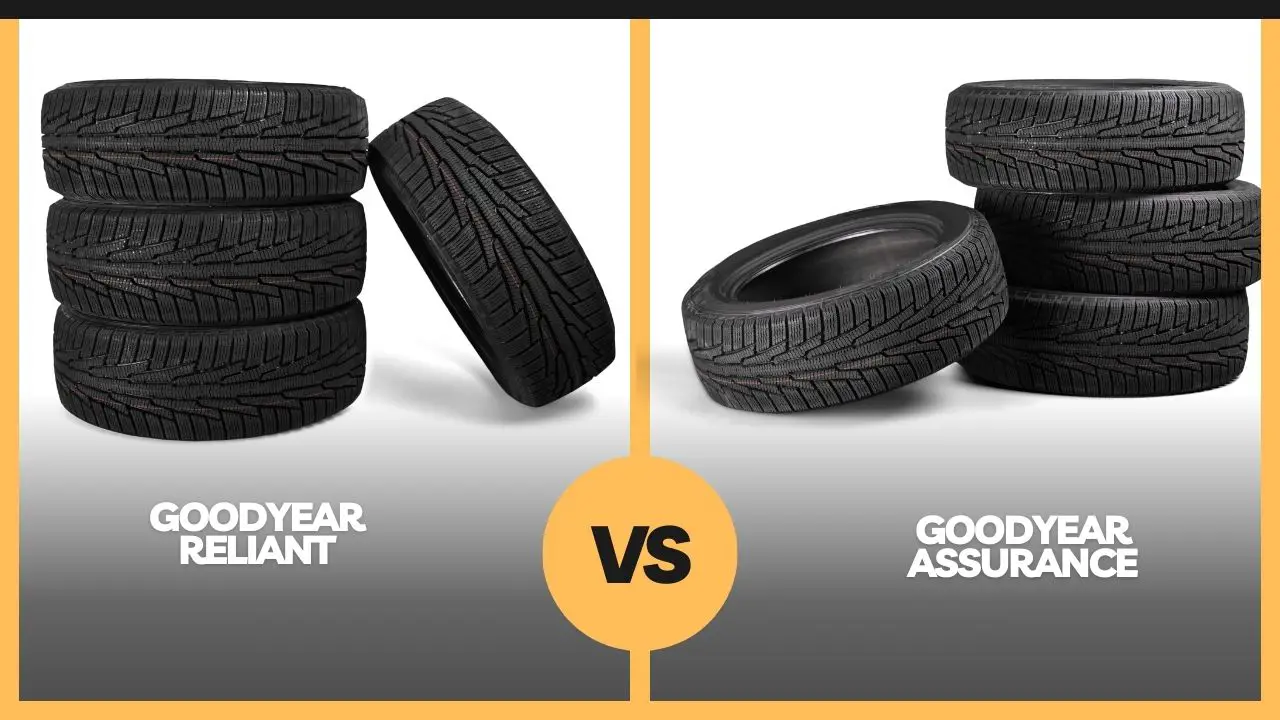
Are you in the market for new tires but feeling overwhelmed by the options? Specifically, are you torn between the Goodyear Reliant and the Goodyear Assurance? Well, fear not, because we’re here to help you make an informed decision that will keep you safe on the road and give you the best value for your money. When it comes to choosing the right tires for your vehicle, there are several factors to consider, such as performance, durability, and price. Both the Goodyear Reliant and the Goodyear Assurance have their own unique features and benefits that make them stand out in the market. So, let’s dive deeper into the comparison and see which one comes out on top. The Historical Journey of goodyear reliant The Goodyear Reliant was a line of compact cars produced by the Goodyear Tire and Rubber Company from 1981 to 1984. It was Goodyear’s attempt to diversify its business and enter the automotive industry. The Reliant was designed to be an affordable and fuel-efficient vehicle, targeting the growing demand for compact cars during that time. One of the noteworthy products in the Goodyear Reliant lineup was the Reliant K. Introduced in 1981, it was a four-door sedan powered by a 2.2-liter four-cylinder engine. The Reliant K offered a comfortable ride and decent fuel economy, making it a popular choice for budget-conscious consumers. Another notable variant was the Reliant LE, which featured a more luxurious interior and additional features. Despite its initial promise, the Goodyear Reliant faced several challenges. The company struggled to compete with established automakers, and the Reliant’s sales were disappointing. Goodyear eventually decided to exit the automotive industry and sold the rights to the Reliant to the French automaker Renault in 1984. This marked the end of the Goodyear Reliant’s production, leaving behind a brief but interesting chapter in the company’s history. The Historical Journey of goodyear assurance Goodyear Assurance is a tire brand that has a rich history dating back to 1898 when it was founded by Frank Seiberling in Akron, Ohio. Initially, the company focused on manufacturing bicycle and carriage tires before transitioning to automobile tires in the early 1900s. Over the years, Goodyear Assurance has become synonymous with quality and innovation in the tire industry. One of the notable products introduced by Goodyear Assurance is the Assurance TripleTred, launched in 2004. This tire featured an innovative tread design with three different zones for enhanced traction in various weather conditions. Another noteworthy product is the Assurance Fuel Max, introduced in 2008, which aimed to improve fuel efficiency by reducing rolling resistance. These products showcased Goodyear Assurance’s commitment to developing tires that prioritize safety, performance, and environmental sustainability. In recent years, Goodyear Assurance has continued to expand its product line, offering a range of tires for different vehicles and driving conditions. With a legacy spanning over a century, Goodyear Assurance remains a trusted and respected brand in the tire industry, known for its dedication to quality and technological advancements. You May Also Like:goodyear reliant vs goodyear assurance outlast In a hurry here are our top 6 tire recommendations: Best Budget Tires Best Mid-Range Tires Best All-Season Tires Best Summer Tires Best Winter Tires Best Performance Tires goodyear reliant : Pros and Cons When it comes to tire selection, every tire brand showcases a distinct array of advantages and disadvantages. Below are the pros and cons of goodyear reliant Pros: Excellent traction on both wet and dry roads Durable construction for long-lasting performance Smooth and comfortable ride Good fuel efficiency Reasonably priced Cons: Not suitable for extreme winter conditions May produce some road noise Limited availability in certain sizes goodyear assurance : Pros and Cons When it comes to tire selection, every tire brand showcases a distinct array of advantages and disadvantages. Below are the pros and cons of goodyear assurance Pros: Excellent traction on wet and dry roads Long-lasting tread life Comfortable and smooth ride Good fuel efficiency Cons: Not suitable for severe winter conditions Also Read: goodyear vector 4seasons vs michelin crossclimate plus Comparison: goodyear reliant vs goodyear assurance Key Differences When comparing goodyear reliant and goodyear assurance, there are several key differences to consider. These differences include pricing, warranties, fuel efficiency, comfort, wet performance, dry performance, winter performance, and noise performance. Check out these other comparisons. Let’s now dive deeper into how goodyear reliant and goodyear assurance perform in each of these key focus areas. Pricing: Goodyear Reliant is generally priced lower than Goodyear Assurance. Reliant is a budget-friendly tire option, while Assurance is a mid-range tire. Reliant offers good value for money with its affordable pricing, making it suitable for cost-conscious consumers. Assurance, on the other hand, provides better performance and features at a slightly higher price point. Both tires offer reliable quality and durability, but Assurance offers more advanced technology and features for enhanced performance. Warranties: Goodyear Reliant has a limited tread life warranty, offering coverage for a specified number of miles. Goodyear Assurance has a longer limited tread life warranty, providing coverage for a higher number of miles. Goodyear Reliant offers a limited warranty against defects in workmanship and materials for a specified period. Goodyear Assurance provides a longer limited warranty against defects in workmanship and materials for a higher specified period. Overall, Goodyear Assurance offers longer warranty coverage for both tread life and defects compared to Goodyear Reliant. Fuel Efficiency: Goodyear Reliant: Offers better fuel efficiency due to its low rolling resistance design. Goodyear Assurance: Provides improved fuel efficiency with its Fuel Max Technology, which reduces energy loss and enhances fuel economy. Overall, both tires prioritize fuel efficiency, but the Goodyear Assurance with Fuel Max Technology may offer slightly better fuel efficiency compared to the Goodyear Reliant. Comfort: Goodyear Reliant offers a smoother and more comfortable ride due to its advanced ComfortFlex technology. Goodyear Assurance provides a comfortable driving experience with its refined tread pattern and optimized tread compound. Reliant has a higher level of comfort due to its enhanced noise reduction capabilities, resulting in a … Read more