
Goodyear Reliant vs Firestone All Season: The Ultimate Showdown
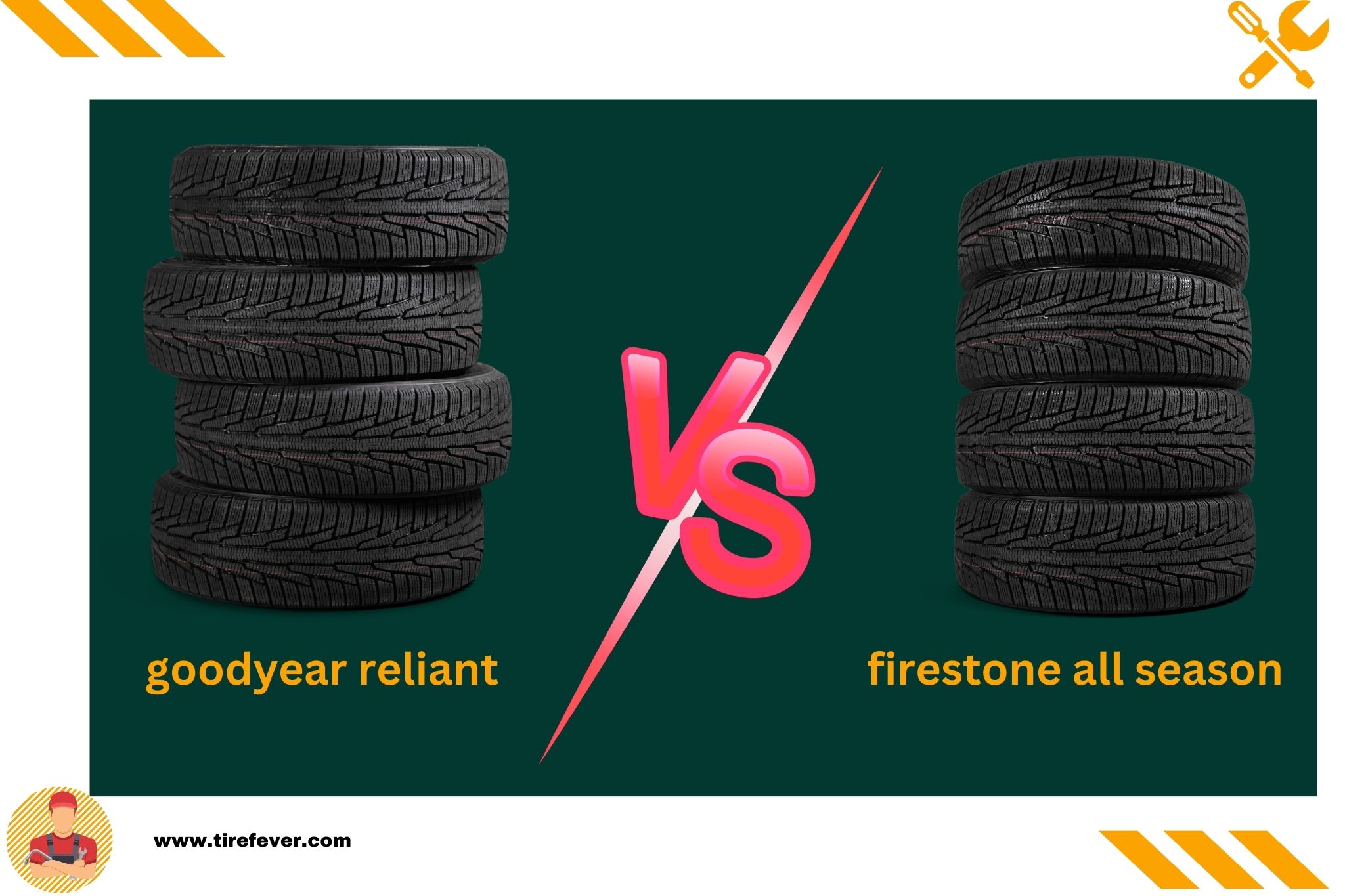
When it comes to choosing the right tires for your vehicle, there are countless options available in the market. But how do you decide between the Goodyear Reliant and the Firestone All Season? Both brands are well-known for their quality and performance, making it a tough choice for car owners. In this blog post, we will compare the two tire models, exploring their features, benefits, and drawbacks to help you make an informed decision. The Goodyear Reliant and the Firestone All Season have been popular choices among car enthusiasts for years. With their reputation for durability and reliability, these tires have gained a loyal following. However, each tire model has its unique selling points and potential drawbacks. In this post, we will dive into the key features and benefits of both tires, allowing you to weigh the pros and cons and make the best choice for your vehicle. Highlights: Goodyear Reliant: Durable, excellent traction, smooth ride Firestone All Season: Affordable, competitive pricing, value for money Goodyear Reliant: Superior comfort, reduced road noise, stable ride The Historical Journey of goodyear reliant The Goodyear Reliant tires have a rich history that dates back several decades. Originally introduced in the 1970s, these tires quickly gained popularity for their durability and performance. Over the years, Goodyear has continued to refine and improve the Reliant line, incorporating advanced technologies and materials to enhance their performance and longevity. Today, the Goodyear Reliant tires are known for their exceptional traction, handling, and reliability. They are designed to provide a smooth and comfortable ride, while also offering excellent grip on both wet and dry surfaces. With a wide range of sizes and models available, Goodyear Reliant tires cater to various vehicles, from sedans and SUVs to trucks and vans. In addition to their standard all-season tires, Goodyear also offers specialized variants of the Reliant line, such as winter tires for enhanced traction in snowy conditions and performance tires for sports cars and enthusiasts. With their commitment to quality and innovation, Goodyear continues to be a trusted choice for drivers seeking reliable and high-performing tires. The Historical Journey of firestone all season Firestone All Season tires have a rich history that spans over a century. Founded in 1900 by Harvey Firestone, the company quickly gained recognition for its innovative tire designs and commitment to quality. Throughout the years, Firestone has continuously evolved and adapted to meet the changing needs of drivers, making them a trusted name in the tire industry. Firestone offers a wide range of All Season tires that cater to different vehicles and driving conditions. Their product lineup includes the Firestone Champion Fuel Fighter, which is designed for fuel efficiency and long-lasting performance. They also offer the Firestone Destination LE3, an All Season tire that provides excellent traction and handling on both wet and dry roads. Additionally, Firestone offers the Firehawk AS, a high-performance tire that delivers superior grip and responsiveness. With a rich history and a diverse range of products, Firestone All Season tires have become a go-to choice for drivers seeking reliable performance and durability. Whether it’s for everyday commuting or adventurous road trips, Firestone All Season tires are designed to deliver a safe and comfortable driving experience in any weather condition. You May Also Like: goodyear vs pirelli In a hurry here are our top 6 tire recommendations: Best Budget Tires Best Mid-Range Tires Best All-Season Tires Best Summer Tires Best Winter Tires Best Performance Tires goodyear reliant : Pros and Cons When considering tire options, each tire brand presents a unique set of strengths and weaknesses. Below are the pros and cons of goodyear reliant Pros: Durable and long-lasting Excellent traction on both wet and dry surfaces Smooth and comfortable ride Cons: Not suitable for extreme off-road conditions May be slightly noisy on certain road surfaces firestone all season : Pros and Cons When it comes to tire selection, every tire brand showcases a distinct array of advantages and disadvantages. Below are the pros and cons of firestone all season Pros: Excellent traction on both wet and dry roads Long-lasting tread life Comfortable and smooth ride Good fuel efficiency Cons: Not suitable for severe winter conditions Also Read: goodyear fortera vs michelin defender Comparison: goodyear reliant vs firestone all season Key Differences When comparing goodyear reliant and firestone all season, there are several key differences to consider. These differences include pricing, warranties, fuel efficiency, comfort, wet performance, dry performance, winter performance, and noise performance. These key differences play a crucial role in the decision-making of most drivers and car owners. You could be wondering between goodyear reliant and firestone all season, which one is better based on these key focus areas. Let’s find out. Pricing: The Goodyear Reliant and Firestone All Season tires differ in terms of pricing. The Goodyear Reliant tires are generally priced higher compared to the Firestone All Season tires. This is due to the brand reputation and quality associated with Goodyear, which often comes at a premium price. On the other hand, Firestone All Season tires are known for their affordability and value for money. They offer competitive pricing without compromising on performance and durability. This makes them a popular choice for budget-conscious consumers who are looking for reliable tires without breaking the bank. Warranties: The Goodyear Reliant and Firestone All Season tires have different warranty terms. The Goodyear Reliant comes with a limited warranty that covers defects in workmanship and materials for a specific period of time, typically around 60,000 miles. This warranty provides peace of mind to customers, knowing that they are protected against any manufacturing issues that may arise during the specified period. On the other hand, the Firestone All Season tires offer a similar limited warranty, but with a longer mileage coverage. Typically, the Firestone All Season tires come with a warranty that covers defects for around 70,000 miles. This extended mileage coverage gives customers additional confidence in the durability and performance of the tires, as they are protected for a longer period of … Read more


