How AI is Reshaping the Landscape of Tire Technology (8 Predictions)
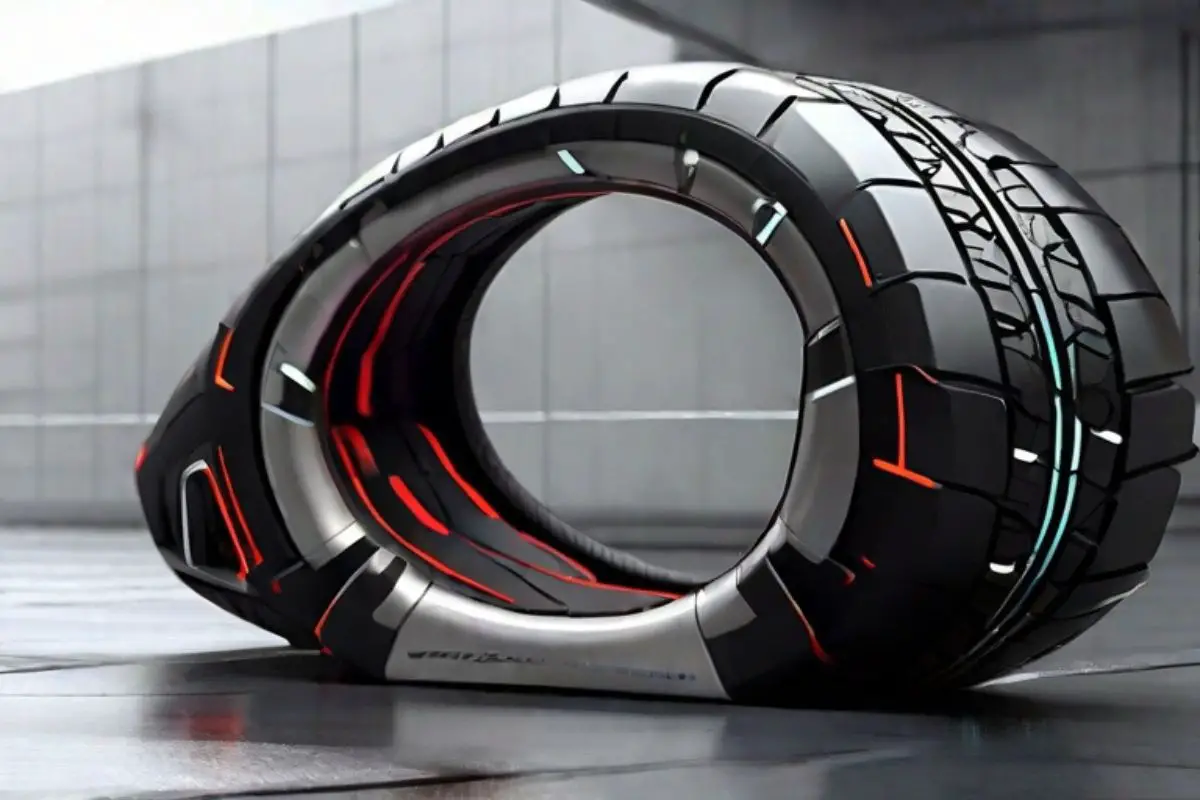
The future of tires. In the ever-evolving landscape of technological advancements, artificial intelligence has emerged as a formidable force, reshaping industries and redefining the possibilities of innovation. One such sector undergoing a revolutionary transformation is the automotive industry, where AI is making its mark on every aspect of vehicle performance, safety, and efficiency. However, the spotlight today is on an often overlooked yet crucial component of our vehicles — the humble tire. What’s the future of tires? Bridging the gap between traditional rubber and cutting-edge technology, AI is ushering in a new era for tires, promising unprecedented performance, durability, and safety. The results are nothing short of incredible, as these smart tires, guided by the power of artificial intelligence, unveil a future that was once considered purely speculative – is this possibly the future of tires? Let’s delve into it! The Future of Tires AI predicts that the below are some of the advancement to be expected in the automotive industry, especially in the tires space. 1. Self-inflating Tires In the 2050s, car tires no longer require manual inflation. Instead, they come equipped with advanced technology that automatically adjusts the air pressure based on the road conditions and driving needs. These self-inflating tires are not only convenient, but they also improve fuel efficiency and reduce the risk of blowouts. 2. Airless Tires Tired of changing a flat tire on a busy highway? In the 2050s, airless tires have become the norm for cars. These tires use advanced materials and technology to eliminate the need for air, making them virtually immune to flats. They also provide a smoother ride and reduce the environmental impact of tire disposal. Michelin tires are already on the fore-front on this one. 3. Solar-powered Tires In an effort to reduce carbon emissions, car tires in the 2050s are equipped with solar panels on the sidewalls. These tires harness the power of the sun to generate energy that can be used to power electric cars or other electronic devices. They also have a futuristic look, with sleek, angular panels integrated into the rubber. 4. Multi-terrain Tires With the rise of self-driving cars, there is a growing need for tires that can navigate various types of terrain. In the 2050s, multi-terrain tires have become the go-to choice for these vehicles. Featuring deep treads and reinforced sidewalls, these tires can handle everything from rocky mountains to sandy deserts with ease. 5. Holographic Tires Say goodbye to traditional rubber tires, in the 2050s holographic tires will have taken over the market. Made from a combination of plasma and light, these tires create realistic images of treads and sidewalls, giving the illusion of a traditional tire without the physical material. Not only are they visually striking, but they also reduce the weight of the vehicle and improve fuel efficiency. 6. Shape-shifting Tires With the development of shape-shifting technology, car tires in the 2050s can transform to adapt to various road conditions. From round and smooth for city driving, to rugged and grippy for off-roading, these tires can change shape and tread pattern on demand. This allows for a more versatile driving experience and eliminates the need for different sets of tires. 7. Weather-adaptive Tires Gone are the days of switching to winter tires for snowy weather. In the 2050s, car tires are equipped with sensors and microchips that allow them to adapt to changing weather conditions. They can adjust the tread pattern and rubber composition to provide maximum traction on wet, snowy, or icy roads, providing a safer and more efficient driving experience. 8. Anti-gravity Tires In a world where flying cars are a reality, in the 2050s, tires will have evolved to adapt to this new mode of transportation. Anti-gravity tires use advanced technology to create a magnetic field that allows the car to float above the ground. This not only eliminates the need for traditional tires, but also makes for a more efficient and futuristic way of traveling. Conclusion As we bring our journey through the future of tires guided by artificial intelligence to a close, it’s clear that we stand at the cusp of a groundbreaking era in automotive technology. The incredible results stemming from the synergy between AI and tire design have not only exceeded expectations but have also opened doors to possibilities previously deemed unattainable. Now we wait! The future of tires is just around the corner and looks like AI is going to be part of it all the way. Are you excited as we are?