Can You Put 17 Rims On Your Car? YES! READ MORE!

Can You Put 17 Rims On Your Car

The attraction to bigger or larger rim sizes is primarily on account of the dashing looks these rims give to the car. Aside from this, there is a yearning for most car owners to customize their cars and give them a different look from other users of the same car. One of the ways to achieve this is by going for plus-size rims. The question however is if such modification has its consequences. So, can you put 17 rims on your car? Yes, you can put 17 rims on your car either for improving the car’s looks or its performance. In most cases, when car owners ask about the compatibility of larger rims with their car and wish to go for a plus-size rim, it is usually in the interest of customizing their vehicles and giving them a more aggressive look. While looking cool is the interest of most persons who wish to undertake this modification, there is also a fraction of persons whose interest is to improve their car’s performance. Whatever your reason may be for wanting this modification in your car, simply remember that this is no ordinary modification, it has its pros and cons and must be executed properly. The drawbacks associated with putting a 17 rim on your car are seen mostly when the right procedure and guidelines are not adhered to. For example, when the rims are changed to a 17-rim size, the tires must also be upgraded to a similar size that fits such a wheel. Without doing this, the non-matching tire may create problems such as rough and bumpy rides, in the ability to turn the steering wheel freely at a corner as a result of the tire rubbing against some part of the car among others. Here in this article, there will be a detailed discussion on how to successfully put a 17 rim on your car. This would include how to select a matching tire for the 17 rims, some of the benefits you stand to benefit from the 17 rims, possible drawbacks you should be prepared for, and whether the size of the rim on your car matters not. These and more will be looked at in the course of the article. Read Also: Can You Drive Without A Wheel Well? Guideline on how to switch to 17 rims on your car Firstly, before thinking of changing the rims on your car, you must make sure the new rim size is compatible with your car by checking the owner’s manual. So, why is this important? well, let’s say you would not want to install a rim on your car that will cause issues such as the tire wearing off quicker than it should, problems with the wheel as well as the speedometer. The most essential consideration when choosing the appropriate tire compatible with the 17 rims is the height of the sidewall. Given that the rim is now larger than the previous rim, the tire should conversely have a reduced sidewall height. Without such a reduction in the height of the sidewall, there is no way the tire will fit properly in the car.  The tire may rub against the fender and other parts of the car. This creates problems for both the tire and the parts of the car in contact with the tire. This also creates difficulty with driving, especially during turns. The aim of going for a tire that has a reduced sidewall height when using plus-size rims such as 17 rims is an attempt at making sure that although the size of the rim is larger, the outer diameter of the wheel is still maintained. So, if the size of the rim is increased by an inch, the height of the sidewall of the tire should be adjusted accordingly. (Read Also: Does Tire Size Affect Gear Ratio?) If you are unsure of the rims that will fit your car, there are about two basic ways you can come out of this and make an informed choice of the rim. The commonest method these days by goggling and checking online to find rim sizes are that specified for your car models. There are lots of helpful sites out there which could help with this and provide services such as allowing you to order for the rim and have it delivered to your doorsteps. So, a lot has been made easier with the presence of online auto shops. On the other hand, most vehicles have sticker plates within the car’s door on the driver’s side, particularly on the inner aspect of the door where such information can also be sourced.  Factors that must be put into consideration include the bolt pattern, the backspace, size of the tire, the pattern of the lug nut, the space for the brake pads, and similar other parameters surrounding rim change. Figuring out what is compatible with your car is honestly not your job, especially if you are not familiar with car parts. It is therefore best to leave this to the professionals to help set up. Irrespective of how desperately you wish to change the looks of your car, one thing is sure os that you would not be willing to sacrifice this for driving comfort. Without undergoing the necessary modification, the new big size rim with the corresponding big size tire is bound to affect your driving experience with your car. Whenever you run over a speed bump, for example, a lar size wheel may cause the tire to rub against the fender with a consequent wearing of the tire and significant damage to the fender and other car parts such as the suspension.  Read Also: Will Dodge Rims Fit A jeep Cherokee?) Benefits of putting 17 rims on your car What could you possibly stand to gain from putting 17 rims on your car? For one, your car will have a different outlook. It will stand out and become noticeable hearing you drive through and leave it parked. This … Read more

Gravel Stuck in Tires [QUICK & EASY Solutions]

Gravel Stuck in Tires: Guide To A Wonderful Road Trip

Have you been driving on gravel roads or unpaved surfaces? Have you noticed graven being stuck in your tires? Gravel stuck in tires can be a nuisance as it can cause your tires to lose traction and make it harder to control your vehicle. On top of all this, gravel can also cause damage to your vehicle’s paint job or harm other drivers. In this article, we’ll be looking at some of the most common reasons why gravel gets stuck on your tires and how best to deal with it. Let’s get straight into it! Gravel Stuck in Tires Let’s begin by first talking about why gravel gets stuck on tires. When driving on gravel roads or unpaved surfaces, your vehicle tires are more likely to create a suction effect that pulls small rocks and debris into your tire treads. This can sometimes get severe, forming a layer of gravel stuck on your tires. This can lead to a number of problems such as lose of traction making it harder to control your car. This is more likely to occur when you’re driving at slow speeds. This is a pretty common occurrence and experienced by most drivers and car owners. How to Remove Stones From Tire Tread In this next section, we’ll now look at how best to get rid of the gravel or stones from your vehicle tire tread. Using a tire brush is the most effective ways to remove gravel from your tires. It has a stiff bristles that can break up the compacted layer of gravel – allowing you to remove the stones from your tires. You may be required to apply some level of pressure when using this removal process. Using a stone removal tool. This tool allows you to easily remove stones stuck in your tire treads. This tool is available on amazon and is a must have tool to add to your tool box. You may also opt to use compressed air to remove gravel from your tires. Simply connect the air compressor and apply a strong blast of air to the affected areas. The force of the air from the compressor should be able to dislodge and blow the gravel away from your tire. Other alternatives to explore includes: Whichever method you use, it’s critical to remove the gravel stuck in your tires as soon as possible. Can a Stone in a tire Make a Noise? Yes, stone stuck in a tire can make some noise while driving. This can be a frustrating and quite a dangerous problem to deal with. This can not only create some noise while driving, but sharper stones and gravels could easily pierce through your tires leading to a flat tire. The gravel can also bounce around as your tire rotates, leading to your tires vibrating. This vibration can cause a loud, irritating noise that can be heard from both the inside and the outside of your vehicle. Stuck gravel can lead to uneven surface of your tire making it difficult to handle your vehicle and even cause traction loss. This can be particularly dangerous when driving at high speeds or on wet roads. Can Gravel/Stone Puncture a tire? Yes, gravel can puncture your vehicle tire. This can happen when sharp gravels or stones get stuck on your tire thread and keeps on getting deeper and deeper due to additional pressure applied from tire rotation. This can lead to a slow puncture, resulting in loss of air pressure and reduction in tire performance. For gravel to puncture your tires, there are several factors that determines this. This includes, the size and hardness of the gravels/stones, the speed at which the tire is traveling at and the overall tire’s condition. For instance, a large, sharp gravel, is more likely to puncture your vehicle tire than a small smooth debris. Same applies to tire condition, a worn out tire or damaged tire will be more susceptible to punctures than a brand new tire. Some tires are made with puncture resistant materials making it harder for gravels or stones to puncture your tires. This should be your go to type of tires when planning to drive on unpaved or gravel roads. You are advised to maintain your tires properly and inspect them regularly and watch out for any signs of wear or damage to avoid the risk of gravel or stone from puncturing your tire. Preventing Gravel / Stone from Sticking in Tires When it comes to preventing gravel or stones form sticking in your vehicle’s tires – there are a number of steps you can take. Below are some tips on how best to prevent gravel or stones from sticking in tires. Following the above tips will help in preventing gravel or stones from sticking in your tires – maintaining the safety and performance of your vehicle. Conclusion – Gravel Stuck in Tires Gravel getting stuck in tires is a very common occurrence, especially when you’ve been driving on gravel or unpaved surfaces. Using a tire brush, compressed air or commercial tire cleaner to remove gravel from your tires. It’s critical to ensure that you regularly inspect your tires and remove any gravel or stones stuck on your tires to prevent them from affecting your tires performance as well as avoid getting a flat tire.

Will Jeep Wheels Fit Toyota Tundra?

Will Jeep Wheels Fit Toyota Tundra

Necessity has always been the mother of all inventions, and since we are in an era where we discover new hacks by the day, one might beg to ask certain questions regarding automobiles such as “will jeep wheels fit Toyota Tundra?” The answer to this question is a big and emphatic YES, jeep rims will perfectly fit a Toyota Tundra, and the reason behind this answer is simple. Jeep wheels have the exact bolt pattern of not just a Toyota Tundra but all Toyota two-wheel drives (2WD’s); so next time you get flagged down by a Toyota car owner who needs a replacement wheel you are willing to spare, don’t just assume yours won’t fit because they aren’t made by the same motor companies. Cars are usually much alike than you may know or assume to know. Trending Searches Factors to consider before changing the wheels of your tire with a different vehicle Even if a jeep vehicle will fit all Toyota 2WDs, there are certain elements you have to take into consideration before attempting to “crossbreed” as I normally like to put it. I have explained some of the, below; The nut design The first thing you have to look out for is the nut design – be it a Toyota Tundra or any other car brand you might have in mind to swap with. If the nut design is slightly different from what you already have, you are better off leaving things as they are so that you don’t run into more trouble. If you aren’t sure of the design yourself, seek the advice of a professional. Tire alignment There’s probably a chance that a different tire other than what your car is already used to might distort the alignment of your tire. To be sure this isn’t the case with you; ensure to seek the services of automobile professionals who will help you align your tires the moment you make the swap. Millage  You have to be sure of the millage of the said tire before mounting it on your vehicle. The millage knowledge of the tire will help you figure if it can serve a long term or short term, and that’s assuming the tire actually fits. Tire pressure The tire pressure of vehicles differs from one car manufacturer to another with most of the difference being in the size or type of vehicle in question. While the difference might almost be negligible if the cars are in the same category, you have to be sure the PSI of the tire is not too low or too high compared to what your car manufacturer stipulates. Having established the ground rules you have to consider before making the necessary exchange between a Jeep wheel and a Toyota Tundra, or any car you might have in mind, below is a step-by-step procedure on how to change the wheel of a Toyota Tundra with that of a jeep. How to switch the wheels on a Toyota Tundra with that of a jeep  Materials needed You’ll need the following: Step 1: Ensure the car is parked on a flat surface A flat surface is key to the success of this enterprise. Your garage would be the best place to get this done, however, if an emergency occurs on the highway, move to the shoulder or edge of the road and ensure it is very flat before you turn on your hazard lights to warn oncoming drivers of your current situation and position. Step 2: Set your parking brakes and choke your tires Set your parking brake and choke your front and rare wheels whether you are in the garage or parked on the side of a highway. Choking your tires will prevent your car from rolling on its own and causing more damage to your vehicle. In the absence of a standard chock, you can use a giant-sized brick for this purpose. Step 3: Remove the hub cap of your tire Take off the hub cap from the wheel you want to change so it doesn’t come in the way of the exchange, then proceed to keep it somewhere safe. You can choose to keep it in your trunk or inside your vehicle. Use a flat screwdriver on one of the edges and gradually yank it off. Step 4: Loosen the wheel nuts from the tire Some experts say this is the toughest part of changing a wheel and I tend to agree. This is because wheel nuts can be very tough to loosen especially if you haven’t worked on the said tire for a very long time. Regardless, use your lug-nut wrench tool and fit it into the wheel of your Toyota Tundra wheel, and carefully turn the wrench in a clockwise direction. Be sure the wrench tool fits perfectly on the nut so that you don’t wear out the nut in the process. Do this for all the nuts on the wheel. Don’t take off the nuts when they are loosened, leave them in place before jacking your vehicle so that they don’t roll off on their own when the tire leaves the ground. Step 5: Jack up your vehicle Locate the jack points on your Toyota Tundra before getting your jack ready for use. Ensure you use only the jack points prescribed by BMW so you don’t void your insurance. After locating the spot underneath the vehicle, ensure the ground underneath is sturdy enough to hold the jack in place, and if not, use a flat plank to provide more stability by placing your jack on it. Using a car jack (bottle jack preferably), jack up the vehicle until it is high enough to remove the Toyota Tundra wheel and wide enough to fit in the Jeep wheel. Step 6: Set your jack stand(s) in position One jack stand is enough if you want to change only one wheel. Set your jack stand to the height established by the jack before releasing the jack whilst the … Read more

Goodyear F1 Supersport vs Michelin PS4S: Unveiling the Ultimate Tire Showdown

goodyear f1 supersport vs michelin ps4s

Are you in search of the perfect tires for your high-performance vehicle? Look no further! In this blog post, we will be diving into the comparison between the Goodyear F1 Supersport and the Michelin PS4S, two popular choices among car enthusiasts. So, buckle up and get ready to explore the world of tire performance and find out which one reigns supreme! When it comes to choosing the right tires for your car, there are several factors to consider. The Goodyear F1 Supersport and the Michelin PS4S both offer exceptional grip, handling, and performance on both dry and wet surfaces. However, the Goodyear F1 Supersport is known for its precise steering response and excellent cornering abilities, while the Michelin PS4S is praised for its exceptional comfort and low road noise. So, whether you prioritize razor-sharp handling or a smooth and comfortable ride, we’ve got you covered with this comprehensive comparison. The Historical Journey of goodyear f1 supersport Goodyear F1A6 tires were first introduced in the late 1990s as a high-performance tire option for sports cars and luxury vehicles. These tires were designed to provide excellent traction, handling, and braking capabilities, making them popular among car enthusiasts and professional drivers. With their advanced technology and innovative tread design, Goodyear F1A6 tires quickly gained a reputation for delivering superior performance on both dry and wet surfaces. The Goodyear F1A6 tire range includes various models tailored to different driving needs. One of the key products in this range is the Goodyear Eagle F1 Asymmetric 5, which offers exceptional grip and responsiveness. Another notable tire is the Goodyear Eagle F1 SuperSport, designed for ultra-high-performance vehicles, providing precise handling and enhanced cornering capabilities. Additionally, the Goodyear Eagle F1 Asymmetric 3 is a popular choice for sports sedans and coupes, offering excellent wet and dry traction. Goodyear F1A6 tires have continued to evolve over the years, incorporating new technologies and materials to enhance their performance and durability. With a focus on delivering superior handling, traction, and braking, these tires have become a trusted choice for drivers seeking high-performance capabilities on the road. The Historical Journey of michelin ps4s Michelin PS4S tires, also known as Pilot Sport 4S, were introduced by Michelin in 2017 as a high-performance summer tire. These tires were designed to provide exceptional grip, handling, and braking performance for sports cars and high-performance vehicles. The PS4S tires quickly gained popularity among car enthusiasts and professional drivers for their outstanding performance on both dry and wet surfaces. Michelin offers a wide range of products under the PS4S line to cater to different vehicle types and sizes. The PS4S tires are available in various sizes, from 17 to 22 inches, to fit a wide range of sports cars and high-performance vehicles. Additionally, Michelin offers PS4S tires with different load and speed ratings to ensure compatibility with different vehicle requirements. The range also includes PS4S tires specifically designed for SUVs, providing the same level of performance and safety for larger vehicles. In addition to the standard PS4S tires, Michelin also offers a range of PS4S Cup 2 tires. These tires are designed for track use and provide even higher levels of grip and performance. The PS4S Cup 2 tires feature a tread pattern optimized for dry track conditions, allowing drivers to push their vehicles to the limit on the race track while maintaining excellent control and stability.   In a hurry here are our top 6 tire recommendations: Best Budget Tires Best Mid-Range Tires Best All-Season Tires Best Summer Tires Best Winter Tires Best Performance Tires goodyear f1 supersport : Pros and Cons When it comes to tire selection, every tire brand showcases a distinct array of advantages and disadvantages. Below are the pros and cons of goodyear f1 supersport Pros: – Excellent dry and wet grip – Precise and responsive handling – Good braking performance – Durable and long-lasting tread life – Comfortable and quiet ride Cons: – Limited performance in snowy or icy conditions – Relatively expensive compared to other tires in its class – Some users report reduced fuel efficiency compared to other tires michelin ps4s : Pros and Cons When it comes to tire selection, every tire brand showcases a distinct array of advantages and disadvantages. Below are the pros and cons of michelin ps4s Pros: – Excellent dry and wet traction – Responsive and precise handling – Long-lasting tread life – Comfortable and quiet ride – Good fuel efficiency Cons: – Expensive compared to other tires in the market – Limited availability in certain sizes – Not suitable for extreme winter conditions Comparison: goodyear f1 supersport vs michelin ps4s Key Differences When comparing goodyear f1 supersport and michelin ps4s, there are several key differences to consider. These differences include pricing, warranties, fuel efficiency, comfort, wet performance, dry performance, winter performance, and noise performance. Check out these other comparisons. Let’s now dive deeper into how goodyear f1 supersport and michelin ps4s perform in each of these key focus areas. Pricing: – Goodyear F1 Supersport is generally priced lower than Michelin PS4S. – Goodyear F1 Supersport offers good value for money with its lower price point. – Michelin PS4S is priced higher, reflecting its premium performance and reputation. – Michelin PS4S is known for its exceptional grip and handling capabilities. – Both tires offer excellent performance, but Goodyear F1 Supersport provides a more budget-friendly option without compromising on quality. Warranties: – Goodyear F1 Supersport offers a 6-year limited warranty, covering defects in workmanship and materials. – Michelin PS4S provides a 6-year limited warranty, including a treadwear warranty for 30,000 miles or 6 years, whichever comes first. – Goodyear’s warranty does not specify a mileage limit. – Michelin’s warranty includes a 30-day satisfaction guarantee, allowing customers to exchange the tires if they are not satisfied. – Both warranties require proof of purchase and cover only the original owner. Fuel Efficiency: – Goodyear F1 Supersport offers better fuel efficiency compared to Michelin PS4S. – The F1 Supersport has a lower rolling resistance, resulting in reduced fuel … Read more

Goodyear Eagle Touring vs Michelin CrossClimate 2: The Ultimate Tire Showdown

goodyear eagle touring vs michelin crossclimate 2

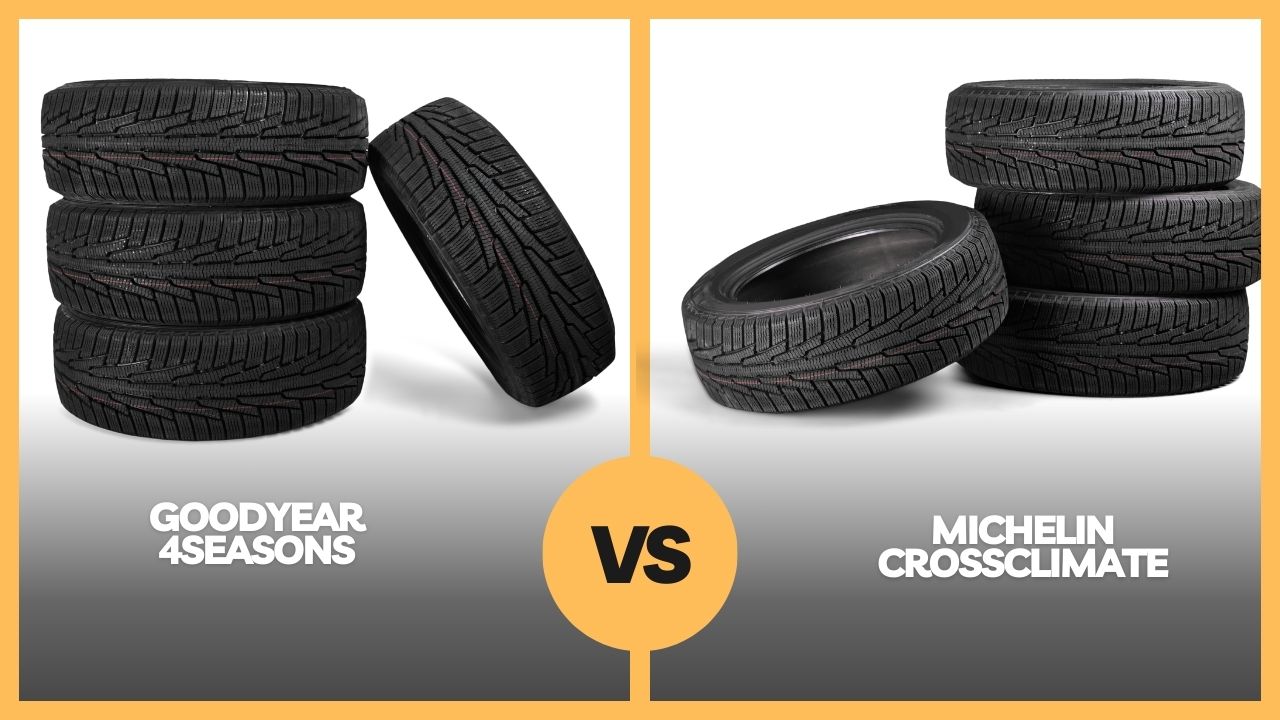
Are you in the market for new tires but unsure which ones to choose? Look no further! In this blog post, we will be comparing two popular tire options: the Goodyear Eagle Touring and the Michelin CrossClimate 2. Both tires have their own unique features and benefits, making it a tough decision for any car owner. But fear not, we’re here to help you make an informed choice! When it comes to tire performance, the Goodyear Eagle Touring and the Michelin CrossClimate 2 are both top contenders. The Goodyear Eagle Touring offers excellent handling and a smooth ride, perfect for those who prioritize comfort and stability on the road. On the other hand, the Michelin CrossClimate 2 is known for its exceptional all-season performance, providing superior traction in both wet and dry conditions. With these two options, you can’t go wrong, but let’s dive deeper into their features to help you decide which one suits your needs best. The Historical Journey of goodyear eagle touring The Goodyear Vector 4Seasons tires were first introduced in 2002 as an all-season tire designed to provide excellent performance in various weather conditions. These tires were developed to offer drivers a reliable and versatile option that could handle both dry and wet roads, as well as light snow. The Vector 4Seasons quickly gained popularity for their ability to deliver consistent traction and grip throughout the year, making them a popular choice for drivers in regions with mild to moderate climates. Goodyear’s range of Vector 4Seasons tires includes various models to cater to different vehicle types and sizes. The Vector 4Seasons Gen-2 is a popular choice for passenger cars, offering enhanced grip on wet and snowy roads. For SUVs and crossover vehicles, the Vector 4Seasons SUV Gen-2 provides excellent traction and stability in all weather conditions. Additionally, Goodyear offers the Vector 4Seasons Cargo, specifically designed for light commercial vehicles, delivering durability and performance for businesses on the move. Overall, Goodyear’s Vector 4Seasons tires have established themselves as a reliable and versatile option for drivers seeking year-round performance. With their range of models catering to different vehicle types, these tires continue to provide drivers with the confidence and peace of mind they need to navigate various weather conditions. The Historical Journey of michelin crossclimate 2 Michelin CrossClimate 2 tires were introduced as an upgraded version of the original CrossClimate tires. These all-season tires were first launched in 2015 and quickly gained popularity for their innovative design that combines the performance of summer tires with the traction of winter tires. The CrossClimate 2 tires are specifically designed to provide excellent grip on both dry and wet roads, as well as enhanced traction on snowy and icy surfaces, making them a versatile choice for various weather conditions. Michelin offers a wide range of products under the CrossClimate 2 line. These include tires for passenger cars, SUVs, and light trucks, catering to different vehicle types and sizes. The CrossClimate 2 tires are available in various sizes, ensuring compatibility with a wide range of vehicles. Additionally, Michelin offers different versions of the CrossClimate 2 tires, such as the CrossClimate 2+ and CrossClimate 2 SUV, which are specifically designed to meet the unique needs of different vehicle categories. With the Michelin CrossClimate 2 tires, drivers can enjoy the convenience of year-round performance without the need for seasonal tire changes. These tires provide excellent traction and handling in various weather conditions, making them a popular choice for drivers seeking versatility and reliability. Whether it’s dry, wet, or snowy roads, Michelin CrossClimate 2 tires offer a safe and comfortable driving experience.   In a hurry here are our top 6 tire recommendations: Best Budget Tires Best Mid-Range Tires Best All-Season Tires Best Summer Tires Best Winter Tires Best Performance Tires goodyear eagle touring : Pros and Cons When it comes to tire selection, every tire brand showcases a distinct array of advantages and disadvantages. Below are the pros and cons of goodyear eagle touring Pros: – Excellent traction and handling on both wet and dry roads – Comfortable and smooth ride – Long-lasting tread life – Low road noise – Good value for money Cons: – Not suitable for snowy or icy conditions – Limited availability in certain sizes – Some users report decreased fuel efficiency compared to other tires michelin crossclimate 2 : Pros and Cons When it comes to tire selection, every tire brand showcases a distinct array of advantages and disadvantages. Below are the pros and cons of michelin crossclimate 2 Pros: – Excellent all-season performance – Long-lasting tread life – Enhanced traction on wet and snowy roads – Quiet and comfortable ride – Fuel-efficient Cons: – Limited availability in certain sizes – Relatively higher price compared to other tires in the market – May not provide the same level of performance as specialized tires in extreme weather conditions. Comparison: goodyear eagle touring vs michelin crossclimate 2 Key Differences When comparing goodyear eagle touring and michelin crossclimate 2, there are several key differences to consider. These differences include pricing, warranties, fuel efficiency, comfort, wet performance, dry performance, winter performance, and noise performance. Check out these other comparisons. Let’s now dive deeper into how goodyear eagle touring and michelin crossclimate 2 perform in each of these key focus areas. Pricing: – Goodyear Eagle Touring is generally more affordable than Michelin CrossClimate 2. – Goodyear Eagle Touring offers a budget-friendly option for consumers. – Michelin CrossClimate 2 is priced higher, reflecting its premium quality and advanced features. – Michelin CrossClimate 2 is a more expensive choice for those seeking top-notch performance and durability. Warranties: – Goodyear Eagle Touring offers a limited tread life warranty of up to 70,000 miles, providing longer-lasting performance. – Michelin CrossClimate 2 offers a limited tread life warranty of up to 60,000 miles, slightly less than the Goodyear option. – Both tires come with a standard manufacturer’s warranty against defects in workmanship and materials. – Goodyear Eagle Touring may provide better long-term value due to its higher mileage … Read more