Is Tire Bead Sealer Necessary? [The ULTIMATE Truth]

Is Tire Bead Sealer Necessary

Have you ever had a slow leak that continuously deflates your tire but is nowhere to be found in the tread area? Yes, not all tire leaks are a result of a nail or screw lodging somewhere in the tread area of the tire. Some are on account of defects between the edge of the tire known as the bead and the rim and cannot be addressed the same way as holes in the tread area are addressed.  So, is a tire bead sealer necessary? Yes, they become necessary under certain conditions but are unneeded for a brand new tire and a new rim combo. To have a good understanding of the need for a bead sealant, when to use a bead sealant, how to make use of a bead sealant, how to make a bead sealant by yourself in your backyard, and other related issues around bead sealants, there are a couple of things that we must first have a good understanding of. Let’s start with what the bead is and how it works to keep the tire inflated. To identify the part of the tire known as the bead, take a close look at any available tire, you will notice three prominent parts, first is the part with the tread pattern, then the sidewall, and lastly is a thickened edge. This edge is known as the bead.  Trending Searches Every wheel has a done grove that runs along its edge and functions as the bead area where the tire’s bead is lodged upon installation. Once the tire is inflated, the air pressure keeps the bead tightly fitted with the rim, creating an airtight junction between the tire and the rim which does not allow the passage of air even without the application of a sealant. Therefore, there is absolutely no need for a bead sealant as long as the bead and rim are in great shape without any deformity. Given that the bead is kept tightly fitted in the groove within the wheel by the tire pressure, low tire pressure is one of the possible situations where the bead seems to come off from this grove. A bead lock may come in handy in this situation to help clamp the head to the wheel. Conversely, sometimes, the bead is seen to be tightly attached to the wheel in a frozen state making it difficult to unmount such a tire. This happens when the wheel becomes rusted from exposure to moisture, salts, and the surrounding air.  Here in this article, we shall consider when it becomes necessary to make use of bead sealant, how to prepare a homemade bead sealant, how to make a diagnosis of a bead leak, and how to apply the bead sealant appropriately. When should you consider using a tire bead sealer? Tire sealants can be applied to the tire even when it is in perfect shape without any leaks. This is done to prevent flat tires caused by thorns or nails. With the right sealant, the driver is likely to be unaware of when the tire picks up a thorn or nail as this is quickly fixed by the pre-installed sealant. When it comes to bead sealers, it is unnecessary to install the sealer when the bead and rim are in perfect shape without any defect. This is because the bead is not a common source of tire leaks as the air pressure within the tire constantly keeps the bead firmly fitted with the rim. However, there are situations where the leaks are neither in the tread area nor is the tire getting deflated as a result of a valve defect. In such a situation, one may consider checking the bead area for a possible bead leak. So, how is the diagnosis of a bead leak made? This is similar to how the diagnosis of a leak within the tread area or the valve stem is made. The first step is to rule out leaks within these two areas as they account for the most common cause of low tire pressure. This is done by spraying soapy water or a widow spray over these areas while looking out for air bubbles. The presence of air bubbles following the allocation of the water is diagnostic of a hole within the tread area or a valve defect. Holes in the tread area can be fixed using a tire sealant such as slime depending on its diameter or by applying a patch or a tire plug. The method of choice depends on the situation, the size of the hole, expertise, and availability of the needed resources.  After ruling out the tread area and the valve stem, if none of these is the culprit, then the soapy water should be prayed over the bead area, that is, the junction between the lip of the tire and the rim while observing for air bubbles, the presence of which signifies a defect in this formally airtight region. So, now did an airtight junction suddenly become the cause of your flat tire? Well, under certain conditions such as infiltration of the wheel to water and sometimes salt used on the road during winter, the fine grove within the will where the tire’s bead lodges may get corroded. This creates the gap through which air escapes out of the tire. The wheels type of construction material is an important determinant of its susceptibility to rust and corrosion. For example, studies have shown wheels of alloy or aluminum are the most susceptible to corrosion. Application of anti-rust and anti-corrosive agents in such a wheel may save the tire from experiencing a head leak.  You are probably thinking at this point of alternatively using tire sealant such as slime in place of the bead sealant. The diagnosis of bead leak is relatively rare compared to leaks within the tread area. Therefore most persons may not have a bead sealant lying around the house and may be forced to consider other alternatives. Unfortunately, slime … Read more

Can A Bike Fit In A Toyota Corolla?

Can A Bike Fit In A Toyota Corolla

Carrying a bike in a car is a very common sight on our roads much as it is in most countries of the world. However, in many places, it has been made mandatory nowadays that, henceforth, all bike-carrying cars will be stopped and verified as to whether the method of haulage puts the safety of other road users at risk or not. Complicity in this regard will attract a fine of up to Rs 5000 unless you have proper permissions from the Regional Transport Office (RTO). Can A Bike Fit In A Toyota Corolla? Certainly YES, a bike can fit into a Toyota Corolla depending on whether it is out in well or not. Most importantly, you may have to take off one of the front tires before it can fit in the trunk. Furthermore, you should also take off the quick release on the break. Next, make sure that you pull the wheels out and keep them in the back of the car.  In some instances, you can take off both wheels if you wish to make it easier. Can a bike fit in a car without taking it apart? Certainly, a bike can conveniently fit in a car without the need to take it apart, although a lot rests on how you are carrying the bike, the size of the booth, and how well you place the bicycle in the car. However, if you want to do it conveniently, you may have to take at least one of its tires off, usually the front tire. Alternatively, you can take off the two tires if you wish, which will make the entire enterprise easier for you. How do you transport a bike inside a car? First, make sure that you slide the bike in gently if you are transporting it in the trunk. While doing this, ensure that the chain rings and the chain do not catch on the side of the car. Also, it is a good idea to have a sheet of paper or a rug spread on the floor of the trunk to prevent scratches and dents on either the bike or the walls of the trunk. In the alternative, you can remove the quick release on the brake and pull the wheel out, which you should store in the back of the car along with the bike. Then, take the pedal and put it up there like the other, so that the bike can rest on its seat. Other ways of transporting a bike in a car may not involve putting it in a trunk, but rather onto a rack on the roof of the car, or even by placing it securely on any of the sides of the vehicle.  How do you fit three bikes in a car? The first thing to do when you plan to carry three bikes in a car is to fit the top straps. To do this, open your boot thread straps over the top edge thereby leaving the dumbells hanging inside the vehicle. Make sure that they won’t be crushed while you try to close up the boot. If you go about this as it should be, it is indeed very easy to fit three bikes in a car all at once. However, in most cases where 3 bikes are transported at once, the wheels of one of the bikes must be removed. Expectedly, some cars by their natures and sizes are better at transporting 3 bikes at once than others, such as any Honda with three seats across the front. (Read Also: Can I Drive Long Distances With A Patched Tire?) Can you put bike racks on any car? It is certainly easy as explained to fit bikes in a car just like it is to mount a bicycle rack on it. You can mount a bike rack on practically any type of car such as SUV, trucks, Honda, and Toyota models with great widths. All you may need to be able to mount a bike rack on a car is to buy the correct rack and to follow the manufacturer’s instructions while mounting the rack as well. This will endure a very proper fit. How do you attach a bike to a car without a rack? This, like all of hers, is easy to accomplish also, if you go about it meticulously. First, drop the rear seats down and then be dire to put the bike in drive gear. There are other methods of doing it too. (1). First, you can carry the bike on top of the car. This can only be done if you do not mind the condition of your car or the bicycles because of these methods of haulage. In this method, it is common for people to strap the bike to the roof of the car. However, this is strictly a gamble especially since the bike can fall off suddenly. In any case, you should mount the bike on the roof of the car upside down for hauling on an unsafe road, not to mention the risks it can pose to other road users. Trending Searches Can a bike fit in a coupe? A bike can conveniently fit in a coupe. Notably, most bikes can perfectly fit into even small cars and sedans. However, you may as usual need to take one or both wheels off to be able to fit the bike into the trunk or of the car. Despite this provision, many cars can indeed transport a vehicle without necessarily the need to take off any of its wheels, if you would only take the necessary time to do it meticulously. This does not in any way imply that it is easy to accomplish since stocking a home in the trunk of a small car can be quite tricky indeed. (Read Also: How Fast Can You Drive With Tire Chain?Find Out Here!) Bigger cars like family Multi-Purpose Vehicles (MPV) and Sports Utility Vehicle(SUV) have bigger rooms that will … Read more

How To Fix Cupped Tires (in 5 SIMPLE Steps)

How To Fix Cupped Tires

Did you notice that there is something wrong with one of your car tires and after taking it to the mechanic, you learned that the problem is cupped tires? Although rarely known, the cupped tire is a common problem that affects many car tires. Cupped tires do not just indicate that the tire has a problem. It also indicates that your car has a bigger problem that is causing the issue – which we will discuss later in this article. So, what exactly are cupped tires? what causes this problem? and can it be fixed? In this article, we will tell you everything you need to know about capped tires. Now, without further ado, let’s get started. Cupped tires- What Are They? Cupped tires are known as choppy or scalloping tires when a vehicle tire tread moves from high to low in random spots. So, what are cupped tires? Cupped tires refer to a condition in which the tire tread become worn down and develop a concave shape. This can lead to a number of problems such as a rough ride, increased road noise, and reduced traction and stability. As mentioned earlier, cupped tires usually indicate that you have other problems with your vehicle that are affecting your tires. This problem should therefore not be taken lightly because if ignored it will worsen causing other major problems that could compromise your safety. Most drivers are usually not familiar with capped tires but it is a very common problem that occurs regularly. Many things can cause cupped tires, the main one being bad suspension. If your vehicle is bouncing up and down frequently because of bad trusts or shocks then the tread in the area will wear out in certain areas faster than in other areas. If your car tires experience changes in force against the surface of the road, uneven wear patches will start to appear between 3 and 4 inches across the tire tread. What Causes Cupped Tires? Tire capping is usually a sign that your car has different suspension issues. If your car’s suspension is not in good condition, whether damaged, worn out, or misaligned, your car tires will struggle to maintain the required force against the road, resulting in tire capping. Below are the main causes of tire capping: a) Misaligned tires When your car tires have too much misalignment in the wheel compared to the recommended alignment specifications, then your car’s motion will strain the tires, causing cupped tires. b) Bent wheels or unbalanced tires Another common cause of cupped tires is bent or unbalanced tires. If your tires are bent or out of balance, the centrifugal force involved in spinning the wheels will bounce the tire over and over leading to cupping. c) Worn-out suspension and struts or shocks Your car’s suspension works together with the shocks to absorb imperfections on the road such as pumps by controlling how the wheel reacts. If the suspension or shocks are won out, your car tires will bounce more than usual and this may cause cupping. Is it Safe to Drive on Cupped Tires? No, it is not safe to drive with cupped tires. In fact, the greatest mistake that you can ever make is driving with cupped tires knowingly. Because of their irregular wear patterns, some parts of the tire will not touch the road when your car is in motion.  This will result in higher vibration levels and road noise. It will also ruin your tire’s traction thus compromising your safety and other motorists. Having less traction also means less ability to turn and stop. Can Cupped Tires be Fixed? YES, tire cupping can be fixed but it needs to be done by an experienced mechanic. This repair process may look simple but it is complex and that is why it should be done by an experienced mechanic. However, it is important to note that cupped tires can only be fixed if the problem is not severe. The first phase of fixing tire cupping is identifying the root cause of the problem. The mechanic will use several techniques to know what caused cupped tires. Once the problem is identified and fixed, the mechanic will fix tire cupping either by tire shaving, tire rotation, alignment, or balance. If the problem is severe enough to be fixed, then tire replacement will be done. How to fix cupped tires Before cupped tires are fixed, a proper diagnosis will be done to determine the root cause of the problem. Once the cause is known, the cupped tire will be fixed using any of the following methods. Below are some steps you can take to fix cupped tires: 1) Tire rotation Tire rotation will help the existing uneven wear to smoothen out as well as prevent uneven patterns in the future. 2) Balancing This repair technique will ensure that there is proper weight distribution on the tires. Balancing the tires will not only fix the problem but will also ensure that they deliver optimum performance. 3) Tire shaving This procedure is usually done if the tire cupping is severe. It involves mounting the affected tire to a specialized machine to smoothen out the cupping. 4) Checking Tire Pressure Incorrect tire pressure can cause uneven wear – leading to cupping. Making sure that your tire pressure is correct and equal on all four tires will go a long way in preventing cupped tires. 5) Check the suspension If the cupped tires are severe and can’t be fixed by the above steps; you’ll need to now check your suspension. Worn-out suspension components can lead to cupped tires. You should have a professional mechanic check and diagnose if any components need to be replaced. Replacing the tires should be your last resort. This should be your last resort. If none of the above can help sort out the issue – you should proceed to replace the affected tire. Worn-out tires should be replaced for your own safety. Here are some of our recommended … Read more

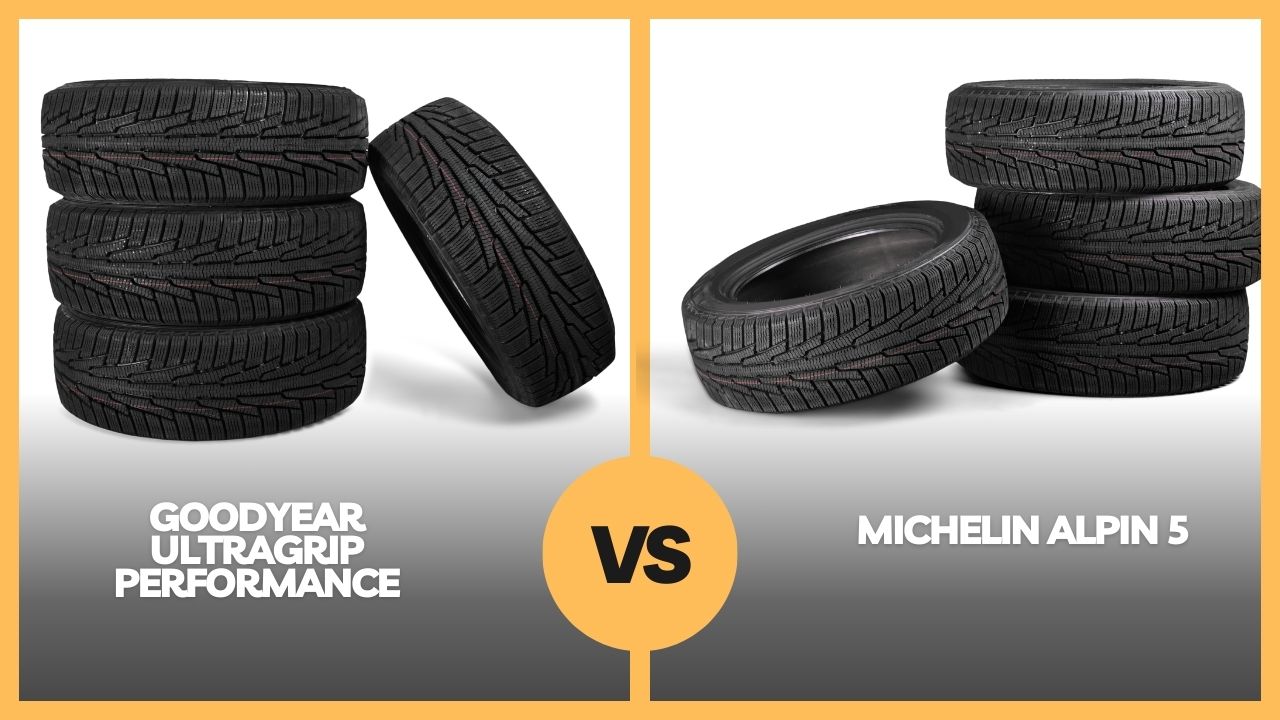
Goodyear EfficientGrip vs Michelin CrossClimate: The Ultimate Tire Showdown

goodyear efficientgrip vs michelin crossclimate

Are you torn between choosing the Goodyear EfficientGrip and the Michelin CrossClimate for your vehicle? Well, you’re in luck! In this blog post, we’ll delve into the features and benefits of both tires, helping you make an informed decision that suits your driving needs. So, let’s dive in and explore the world of these two popular tire options! When it comes to selecting the perfect tire for your vehicle, there are numerous factors to consider. From performance and durability to fuel efficiency and traction, the Goodyear EfficientGrip and the Michelin CrossClimate offer unique features that cater to different driving preferences. In this blog post, we’ll take a closer look at the technologies and innovations behind these tires, allowing you to make a well-informed decision that ensures a smooth and safe ride. So, let’s get started and discover which tire is the ideal match for your vehicle! The Historical Journey of goodyear efficientgrip Goodyear Vector tires have a rich history that dates back to the 1980s. These all-season tires were initially introduced as a solution for drivers who needed reliable performance in both wet and dry conditions. The Vector tires quickly gained popularity for their exceptional traction and handling capabilities, making them a top choice for various vehicles. Over the years, Goodyear has expanded its range of Vector tires to cater to different driving needs. The Vector 4Seasons is a popular choice, offering excellent grip on both dry and wet roads, as well as enhanced traction on snowy surfaces. Another notable product is the Vector 4Seasons Gen-2, which provides improved fuel efficiency and reduced rolling resistance. Additionally, Goodyear offers the Vector 4Seasons SUV, designed specifically for SUVs and crossovers, delivering reliable performance in various weather conditions. In summary, Goodyear Vector tires have a long-standing reputation for their all-season performance. With a range of products tailored to different driving needs, these tires offer exceptional traction, handling, and reliability in wet, dry, and snowy conditions. The Historical Journey of michelin crossclimate Michelin CrossClimate tires were first introduced in 2015 as an innovative all-season tire that combines the benefits of both summer and winter tires. This revolutionary tire was designed to provide excellent performance in various weather conditions, including dry, wet, and light winter conditions. The Michelin CrossClimate tire was developed to meet the needs of drivers who wanted a tire that could handle changing weather conditions without the need for seasonal tire changes. The key range of products offered by Michelin CrossClimate includes different sizes and variations of the all-season tire. These tires are available for passenger cars, SUVs, and light trucks, catering to a wide range of vehicles on the road. Michelin CrossClimate tires are known for their exceptional grip, durability, and long-lasting performance. They feature a unique tread pattern and rubber compound that allows for excellent traction on both dry and wet surfaces, as well as light snow. In addition to the standard Michelin CrossClimate tire, the range also includes variations such as the CrossClimate+, which offers improved longevity and fuel efficiency, and the CrossClimate SUV, specifically designed for SUVs and crossovers. These tires provide drivers with the convenience of year-round performance, eliminating the need for switching between summer and winter tires. Michelin CrossClimate tires have gained popularity among drivers looking for a versatile and reliable tire that can handle various weather conditions while providing a comfortable and safe driving experience.   In a hurry here are our top 6 tire recommendations: Best Budget Tires Best Mid-Range Tires Best All-Season Tires Best Summer Tires Best Winter Tires Best Performance Tires goodyear efficientgrip : Pros and Cons When it comes to tire selection, every tire brand showcases a distinct array of advantages and disadvantages. Below are the pros and cons of goodyear efficientgrip Pros: – Excellent wet and dry traction – Low rolling resistance for improved fuel efficiency – Comfortable and quiet ride – Long-lasting tread life – Good value for money Cons: – Not suitable for snowy or icy conditions – Limited availability in certain sizes – Some users report reduced grip in extreme heat or high-speed driving. michelin crossclimate : Pros and Cons When it comes to tire selection, every tire brand showcases a distinct array of advantages and disadvantages. Below are the pros and cons of michelin crossclimate Pros: – Excellent all-season performance – Long-lasting tread life – Enhanced traction on wet and snowy roads – Improved fuel efficiency – Reduced road noise Cons: – Slightly higher price compared to traditional all-season tires – Limited availability in certain sizes – May not provide the same level of performance as specialized winter or summer tires Comparison: goodyear efficientgrip vs michelin crossclimate Key Differences When comparing goodyear efficientgrip and michelin crossclimate, there are several key differences to consider. These differences include pricing, warranties, fuel efficiency, comfort, wet performance, dry performance, winter performance, and noise performance. Check out these other comparisons. Let’s now dive deeper into how goodyear efficientgrip and michelin crossclimate perform in each of these key focus areas. Pricing: – Goodyear EfficientGrip is generally more affordable than Michelin CrossClimate. – Goodyear EfficientGrip offers a budget-friendly option without compromising on performance. – Michelin CrossClimate is known for its premium quality and higher price point. – Michelin CrossClimate provides excellent all-season performance and durability. – Both tires offer good traction and handling, but Michelin CrossClimate may have a slight edge in terms of overall performance. Warranties: – Goodyear EfficientGrip offers a standard warranty of 6 years or 65,000 miles, whichever comes first. – Michelin CrossClimate offers a standard warranty of 6 years or 50,000 miles, whichever comes first. – Goodyear EfficientGrip has a tread life warranty of up to 65,000 miles. – Michelin CrossClimate has a tread life warranty of up to 50,000 miles. – Both tires offer a limited warranty against defects in workmanship and materials. Fuel Efficiency: – Goodyear EfficientGrip is known for its excellent fuel efficiency, providing low rolling resistance and reduced fuel consumption. – Michelin CrossClimate also offers good fuel efficiency, but it is more focused on … Read more

Can You Use Super Glue To Patch A Bike Tire?

can you use super glue to patch a bike tire

Can you use super glue to patch a bike tire? As long as you use vehicle tires, irrespective of whether in bicycles, motorcycles, or cars, you cannot prevent getting a flat tire every so often. In fact, flat tires are an integral part of cycling, riding, or driving. It is such an important part of our lives that constant research has been conducted continuously, with the sole aim of resolving flat tire issues of any nature. There are now so many ways via which you can overcome the headache of getting a sudden flat, ranging from run-flat tires to tire sealants and down to conventional tire patching processes. The varieties keep improving. Superglue, otherwise known as cyanoacrylate glue is primarily not meant for patching tires or holes in their inner tubes. This sticky paste is known to become inflexible and very brittle after drying up. This simply implies that any patch based on superglue will obviously fail. In a nutshell, you just cannot use superglue in patching up tire inner tubes. So, can you use super glue to patch a bike tire? Yes, What glue can I use to patch a bike tire? For its relevance in our lives, tire patching has been accorded a priority status for which different kinds of glue have been in constant use. Some of these are tire cement, and gorilla glue, among many others. Patching ‘cement’ or better still ‘tire cement’ used in tire tube patch kits basically devulcanizes the rubber in a tire patch and also in the inner tube too. Vulcanization is a simple chemical reaction that utilizes the element sulfur as its main ingredient. In vulcanization, the rubber bond forms a much stronger bond than can be achieved by any known adhesive. (Read Also: Can You Drive Without A Wheel Cover?) On the other hand, rubber cement is a kind of gooey adhesive. In patching tires, you can also use a Gorilla Glue, particularly on the surface of the tire, before placing a screw over the hole. Can I use super glue for puncture repair? Yes, you can use super glue to patch a bike tire temporarily, but it’s not ideal for long-term repairs. Super glue may hold for small punctures, but it lacks flexibility and may crack under tire pressure. For a lasting fix, use a proper bike tire patch kit. In short, super glue, by its nature, cannot be used to patch or fix a puncture in either tires or their accompanying inner tubes. Cyanoacrylate gum or super blue commonly becomes dried, brittle, and inflexible once exposed to the air for any reasonable length of time. For this very reason, it is just not good or suitable for use in tire patching. So, super glue is a bad choice in patching tires. Trending Searches How do you temporarily stop a tire leak? It is both easy and fast to temporarily stop a tire from leaking air. First, it is known generally that compressed tire air sealants are meant for temporary fixes only. Also, using a tire sealant only makes any sense when it is meant as a temporary reprieve and not a permanent solution. A tire sealant makes sense mainly in emergency situations or when you are out of other options. Furthermore, this method of repair is good mainly for small holes and may not really work for tire sidewall repairs. In order to temporarily fix a tube or a tire puncture, you may want to consider the following steps: Step 1 First, make sure that you identify the tire losing air and remove every debris from the punctured site or area. Step 2 Keep it on the rim. Step 3 Now, proceed to insert the repair tool and the accompanying plug all the way into the innermost recesses of the puncture. Step 4 Thereafter, pull the wool from the puncture hole, while still leaving the plugin on the tire. How to Fix a Bike Tube With Super Glue When it comes to super glue tire repair – for your bike, that is; below is the recommended step-by-step process you should take to help fix the flat tire on your bike. This is not recommended and therefore the below is more of a temporary fix and should only be used to get yourself out of a fix. Below is a step-by-step guide to fix the inner tube with super glue: How to Patch a Bike Tube Using Household Items What household items can I use to patch a bike tire? There are a number of household items you can use to patch your bike tube. Most household items have found uses in the patching of tires today. Some of the commonest items in the house that can be used as patching kits include deodorants and packaging tape, water-based glue, and rubber dust or glitter. Others are clear electric tape and air compressor, rubber cement, electrical tape, slime or tire sealant, and finally, zip ties. There are still others not mentioned, but these are some of the components. Bike Tire Patch Glue Substitute You might be stuck with a flat tire and don’t have a bike tire patch kit with you. How do you get yourself out of this fix? Don’t worry, there is a number of substitutes you can work with in such a situation. Rubber cement can be a great substitute to use to fix your bike’s flat tire. Rubber cement is a strong adhesive that is specifically formulated to bond rubber – making it a great choice (alternative) to bike tire patches. Please note, as much as rubber cement might be a good option to work with, it’s not recommended as this won’t be a permanent fix for your flat tire. Other options include some household items such as packaging tape, slime, or water-based glue as already discussed above. Please ensure to always pack a small amount of bike tire patch glue to ensure you are in good hands should you experience some flat tire. Also … Read more