Do New Wheel Bearings Need To Break In?

Do New Wheel Bearings Need To Break In?

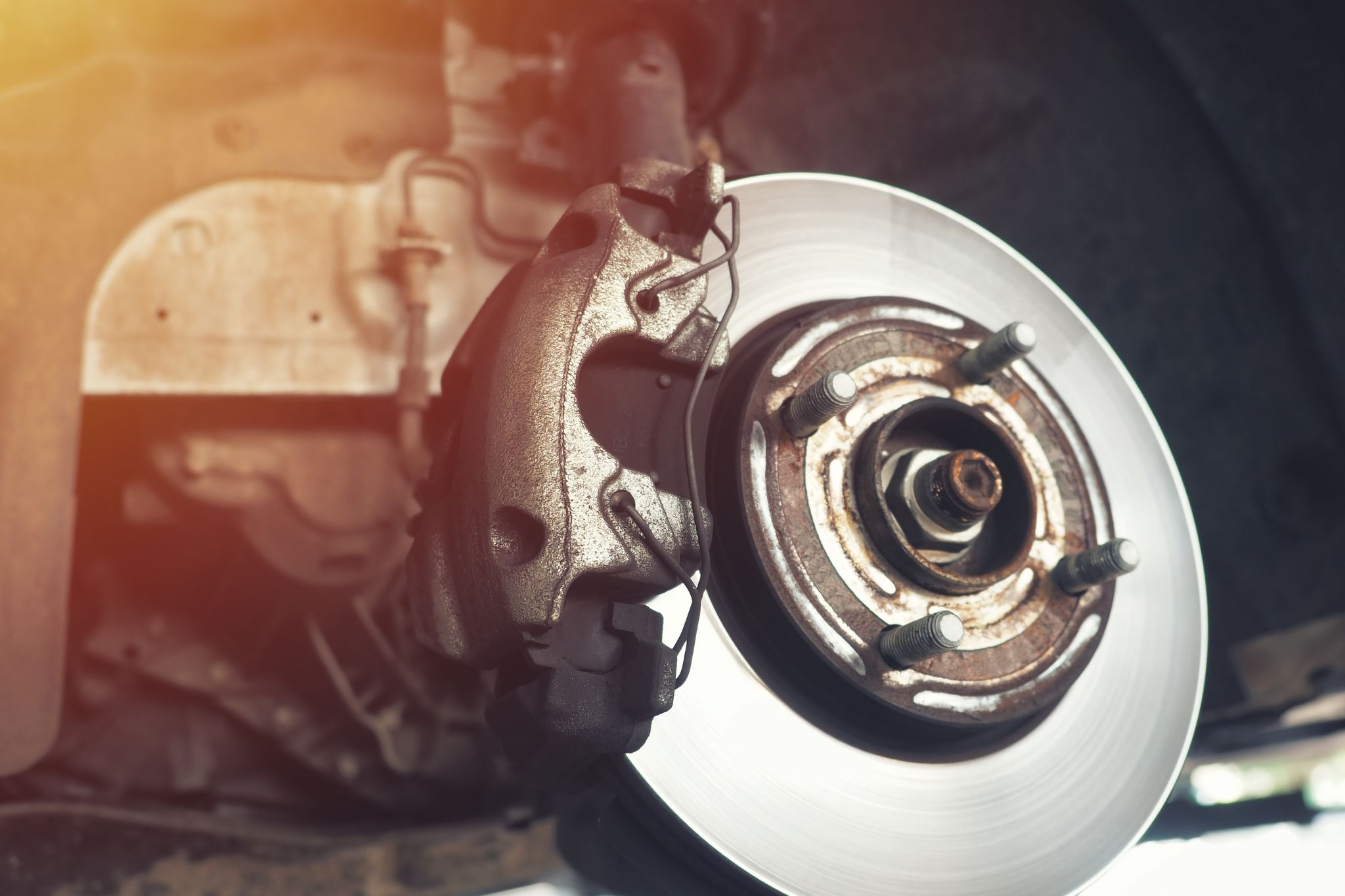
Are you planning to install new wheel bearings on your car and you are wondering whether they need to be broken in? If yes, then you have come to the right place. A wheel bearing is a set of balls or tapers held together by a metal ring. They are a crucial part of the wheel assembly that connects that wheel and the axle. Wheel bearings enable the wheel to rotate smoothly with minimum friction. When damaged, they may cause the wheel to stop while driving thus putting your safety and that of other motorists at risk. More so, a damaged wheel bearing usually puts a lot of stress on the CV joint, the hub, and the transmission. That is why it is important to replace a bad wheel bearing on time. Some mechanics usually recommended that you should break in a new wheel bearing to polish the raceways and extend the bearing maintenance cycle. But, do new wheel bearings need to be broken in? Continue reading to find out. Do New Wheel Bearings Need to Break In? YES, a new wheel bearing needs to break in. Wheel bearing break-in refers to the period of adjustment between the bearings and the surface that they rub. This procedure helps to give the bearings time to adjust and operate evenly after installation. It ensures that the bearings are not put under excess stress early on during operation.  Breaking in a new wheel bearing helps to ensure that they are well-conditioned. The break-in period gives the wheel bearing crucial time to adjust for optimal performance and longevity. It allows the bearings to be well lubricated to minimize friction during operation. It also allows the bearing to sit correctly thus preventing uneven wear. A proper wheel bearing break-in will: How Long Does it Take to Break in Bearings? There is no set amount of time that wheel bearings take to break in. This is because many factors determine how long it takes for bearings to break in. Some of these factors include; driving conditions, type of bearing, lube application, car model, how much time you spend behind the wheels, and much more. Some wheel bearings may take a shorter period to break in (a few hours) while others take long (more than a week) before they break in.  But on average, it takes about 3 days for wheel bearings to break in. If you want your wheel bearings to break in within a short period of time, ensure that you lubricate them well. Proper placement of lubrication will reduce excessive friction and resistance. It will also ensure that the bearings sit in the right place and spin them fast and for a longer period thus reducing the break-in time. What Happens if You Don’t Break in New Wheel Bearings? Proper break-in of wheel bearings helps to prevent premature wear. So, if you don’t break in the new wheel bearings, they will wear out fast, meaning they will not last for long. And, because new wheel bearings are not well conditioned, they will put a lot of stress on the CV joint, the hub, and the transmission. Other issues that can occur when you don’t break in new wheel bearings include ABS and braking issues, seal leakage, and wheel wobbling. Do You Need to Lube New Bearings? YES, you need to lube new bearings. Lube not only helps the wheels to spin easily but also protects the bearings from water and other road contaminants. As pointed out earlier, wheel bearings are a very important safety feature in your car. If they are not well lubricated, they will wear out quickly and over time fail to perform their job properly. Wheel bearing lubrication is vital in preserving their lifespan and performance. A suitable lube should be applied on the wheel bearings, the housing, and the wheel end inside the surface where the bearings sit. This will help to prevent wear and tear, friction, and corrosion.  Most wheel bearings are usually lubricated from the factory. However, you should inspect them again before installing them and lube them again if you spot any sign of contamination like water or dust. Proper lubrication will also help the bearings to sit properly on the raceway for smooth operation. Conclusion Do new wheel bearings need to be broken in? YES, they need to be broken in. This crucial process will not only help to enhance their performance and longevity but will also promote your safety. Wheel bearing break-in is a crucial procedure that should be done to give the bearing much-needed time to adjust and perform efficiently thereafter.

How To Lower a Floor Jack [Essential Tips & Techniques]

How To Lower a Floor Jack

If you are planning on handling any car maintenance or repair, especially changing the tires, you will eventually need to use a car jack. This useful tool helps to lift, hold and lower your car allowing you to change the tire, check the brakes, and much more. To prevent any injuries or damage to your car, it’s important to learn how to properly operate your car jack. Want to know how to lower the jack safely? Keep reading! Preparing to Lower the Jack Gather Necessary Tools and Equipment There are three common types of car jack namely bottle, scissor, and floor/trolley. Each carjack can help you raise or lower your car before making a tire change. Besides the car jack, you’ll also need a jack stand, or wheel crib and rods. Clear and Secure the Area Start by removing any tools or the toolbox followed by the flat tire. Place the flat tire in the boot of your car for repairs later. Then inspect the ground area to ensure that there are no obstacles before you lower your vehicle. Position the Jack Correctly Before you lower the car jack, position it correctly. This provides extra protection against your vehicle falling and seriously injuring yourself. This is especially true when using a mechanical car jack as it can pop up and kick when the car is lifted. Remember, a car jack is a useful and extremely safe tool but you must use it correctly. Lowering the Jack Release the Jack Handle Slowly and Carefully If using the hydraulic floor or trolley car jack or bottle jack, locate the release valve or the screw key. Place the rod over the screw and slowly turn it counterclockwise. As you turn the rod, the valve will slowly open and the car jack will drop. If using the scissor car jack, place the rod onto the screw key then turn it in the opposite direction. Once you do so, the car jack will lower accordingly. Allow the Jack to Lower Gradually, Using the Handle to Control the Descent As you lower the car jack, use the handle to control the rate of descent of the car. If people were helping you raise or repair the car, it’s recommended to say “clear” loudly before you lower the jack. This is a safety measure that alerts others of what you’re about to do. Stop Lowering the Jack When It Reaches the Desired Height Once the car tire touches the ground, stop lowering the jack. Once you do so, get the jack out from under the car. If using the hydraulic car jack, push down on the saddle. This will manually lower the piston. If the threaded saddle is already raised, turn it clockwise. Do so until it reaches the base of the bottle head. Storing the Jack Clean the Jack and Handle Thoroughly Since the car jack is already exposed to grease, your jack will act like a magnet for dirt and dust. To keep it clean, take a clean cloth and wipe the surfaces down. Then, wipe down with a lightly oiled cloth. Once a year, give your car jack a thorough cleaning. This will help remove any buildup. Secure the Handle in the Proper Storage Position Once you wipe down and clean your car jack, release the pressure in the cylinder. This will alleviate stress on the jack. When storing your car jack, secure the handle in the proper storage position. Then store the car back in the upright position. This will prevent hydraulic oil from leaking. Store the Jack in a Dry, Secure Location If using the bottle or scissor car jack, you can store it in the trunk of your car or your SUV’s way back under the cargo floor cover. But, if using the hydraulic floor or trolley jack, store it in a dry and secure location in your garage. Tips for Safely Lifting Heavy Loads With a Floor Jack List of Common Mistakes to Avoid When Using a Floor Jack To ensure no accidents or injuries when lifting or lowering your car jack, follow the tips above and avoid mistakes. Conclusion – How To Lower a Floor Jack Safely lowering the jack is an important part of car maintenance and using a jack. To lower your car jack safely, release the jack handle carefully and slowly then allow it to lower gradually. Do not hurry the process. Use the handle to control the jack’s descent and once you reach the desired height, remove the jack, clean and store it in a dry secure location. To avoid any injuries or damage to your car, always follow the manufacturer’s instructions accompanying your car jack. This will ensure the safe use of your car jack.

Are Scissor Jacks Safe?

Are Scissor Jacks Safe

The scissor jack is a popular handy tool for lifting vehicles in the automotive industry and is also common in commercial and personal garages. But are scissor jacks safe? Every mechanic or car tool buyer prioritizes safety concerns before deciding to purchase such a tool. Meanwhile, although the scissor jacks are a fundamental tool that at least any car owner should have, you should be able to use them securely and correctly. This article seeks to clarify some of the most frequently asked questions, such as: are scissor jacks safe? Are they safe for an oil change? How long can a scissor jack hold a car? How much load can a scissor jack lift? And more. Are Scissor Jacks Safe? The safety of scissor jacks depends on various things. It is important to read the instructions that come with the scissor jack before using it for any purpose. When using scissor jacks, ensure it is on a solid surface, and the user should set them under the car’s frame. Moreover, follow the manufacturer’s recommended weight limits – never exceed them. Some safety practices that guarantee optimal protection include; The Jack equipment handle can strike you and stand on one side: when using the jack, stand to one side so that the handle does not swing toward you when the car is lowered or raised. Getting hit by the handle can cause serious injuries. Therefore, you should always remove the handle when not in use and avoid straddling it. Use blocks for support: It is recommended to place blocks of wood or other solid materials to support the car when it is raised in case the jack fails. Doing this ensures that the car does not fall suddenly, which can lead to serious injury and damage. Proceed with caution: Always lift or lower the car slowly and be prepared to catch the vehicle if it starts to slip off. Besides, it is vital to lower the car evenly and never completely release the handle while lowering it. Are Scissor Jacks Safe for Oil Change? Changing the oil requires lifting your car off the ground to access the oil filter and drain plug, making it necessary to use a scissor jack. It is impossible to change the oil without lifting the vehicle, whether a saloon car or a heavy commercial vehicle. Fortunately, scissor jacks are safe for oil changes. But you must follow safety protocols and take the necessary precautions. Doing this ensures anyone working near the vehicle, as well as the safety of your car. Furthermore, safety is guaranteed as long as the weight limit is not exceeded. It is crucial to use the appropriate jack for a vehicle and not exceed its weight limit. Additionally, when using a scissor jack for an oil change, it is recommended to place blocks of wood or other solid materials to support the car in case the jack fails. How Long Can a Scissor Jack Hold a Car? The strength of scissor jacks depends on the size, quality, and weight it is designed to support. You cannot generalize them as if they support equal weights. However, scissor jacks are made of heavy metal, giving them proper stiffness and strength to withstand standard loads without breaking. Meanwhile, if you are interested in how long a scissor jack can hold a car, the answer is as long as you need it. However, the manufacturer specifies the weight capacity of a particular scissor jack, and it can hold the car as long as its weight does not exceed the specified limit. Holding a car lifted in the air for too long can be risky as in case jack slides can damage both the jack and the car. So, you should not leave your vehicle suspended for a very long time. How Much Load Can A Scissor Jack Lift? The weight limit of a scissor jack depends on its size and construction. Some jacks are constructed with a higher weight capacity than others. Therefore, when selecting a scissor jack, it is crucial to look for one that can handle the weight of your vehicle. Typically, most scissor jacks can lift up to 1 ton (1000 kg), which is why they are perfect for small and medium-sized cars. On the other hand, heavy-duty scissor jacks can lift up to 3 tons (3000 kg) and are intended for heavy commercial vehicles. Thus, it is essential to select a safe scissor jack that can handle the weight of your car. Finally, to know how much weight can a scissor jack lift, you can read the instructions manual or consult the manufacturer. Conclusion Scissor jacks are a reliable tool for car owners and professional mechanics alike. The description above makes a bold clarity whether scissor jacks are safe. Indeed they provide a convenient and secure way to lift automobiles for oil changes or other purposes as long as specific guidelines are followed. A scissor jack can hold a recommended weight for a prolonged period with no issue when it comes to strength. With these instructions in mind, it’s safe to say that the scissor jack is an invaluable item on hand at home and in a professional auto garage. Of course, there are many more when it comes to having the right tools around your workspace or garage and staying safe. However, ensure your mechanic has the right tools and get yourself a scissor jack if you haven’t already—you won’t regret it!

Can a Wheel Speed Sensor Cause Limp Mode?

Can a Wheel Speed Sensor Cause Limp Mode?

It is challenging to find a non-computerized car today. Modern manufacturers equip vehicles with hi-tech systems that can mitigate a lot of car defects. These computerized systems signal car dashboards when problems occur and ease the troubleshooting process. The vital question, therefore, to ask ourselves is, can a wheel speed sensor cause limp mode? Can a Wheel Speed Sensor Cause Limp Mode? When a faulty wheel speed sensor sends wrongful signals to the car ABS, the car computer system will activate the limp mode to protect other essential components. This will disable certain car functions, such as shutting down the AC. Faulty wheel speed sensors send wrong signals to the ABS control unit. This generates a trouble code which will indicate a trouble light. In case you suspect a defective sensor make the following diagnosis; What is a Wheel Speed Sensor? A wheel speed sensor or a vehicle speed sensor is an electronic gadget used to monitor the rotational speed of a vehicle wheel. It sends the information to the vehicle’s anti-lock braking system (ABS). The wheel speed sensor is essential in controlling brakes and ensures the stability of a car. It is usually mounted on the wheel hub and sends the information it receives to the vehicle computer. The vehicle computer uses the wheel speed sensor data to adjust its brake system to ensure a smooth stop. A limp mode is a state in which the vehicle’s computer system detects a fault in the engine, reducing engine operation to provide safety and reduce further engine damage. A car in limp mode will minimize power mode to limit the output of power to safeguard the engine and other components from further damage. How Wheel Speed Sensors Work All the wheels of a car are usually attached to wheel speed sensors. The sensors are made of an electromagnetic induction sensor head and magnetic ring gear of ferromagnetic material. The wheel speed sensor’s function is to monitor and relay the wheel speed data to the ABS control unit of a car. The wheel sensor detects the wheel rotation frequency and calculates it to the vehicle speed, which converts the information into signals. Once received, it is interpreted by the ABS computer system to activate a different set of actions on the vehicle. Various Types of Wheel Speed Sensors There are two main types of wheel speed sensors passive and active sensors. These types of sensors send analog signals in alternating voltage form to the ABS control unit, where they are analyzed and utilized. Each wheel of the vehicle creates a unique AC signal. These signals can only be active when the wheel’s rotational speed is fast. They do not read at a low rotational speed. These sensors can detect the rotational direction of the wheel and record the signals using a magnetic pulse sensor. They function in various temperatures and provide output to the ABS in digital signal form. The ABS and other car systems use the information provided. Active wheel speed sensors are not as sensitive as passive sensors. How Limp Mode Works The limp mode shields important car components when the car computer system detects faults in the engine that could cause further damage. When the limp mode is active, the car’s engine will be limited to certain functions. Some common causes of limp mode are blocked air filters, faulty vehicle sensors such as wheel speed sensors, inadequate vehicle fluids or oils, and failed transmission. Consequences of Driving With a Faulty Wheel Speed Sensor A vehicle wheel speed sensor is essential to ensure users’ safety. It works with the ABS to provide a car that can have an emergency brake smoothly. A broken sensor can cause you to lose control of your vehicle and cause a crash. Broken wheel speed can make the entire ABS not function correctly, impacting other systems in the car, such as traction control and stability. Inaccurate reading of the vehicle speed is another effect of driving a car with a faulty wheel speed sensor leading to increased fuel usage. Common symptoms of a faulty wheel speed sensor The first warning signs that your wheel speed sensor may be faulty are; Conclusion The wheel speed sensor of a vehicle is an important safety feature. A glitch in the sensor can cause defects in other vehicle functions leading the car to limp mode. Constantly consult your mechanic to check your vehicle speed sensors to avoid further damage to your engine and protect you from losing control over your car and causing accidents. To ensure your wheel speed sensors are correctly functional, clean them regularly, and check for damage and wiring.

Can I Leave My Car On a Scissor Jack Overnight?

Can I Leave My Car On a Scissor Jack Overnight?

Leaving your car on a scissor jack overnight should be avoided if possible. Not only could it lead to dangerous driving conditions, but also the added weight can put immense strain on the jack, leading to potential breakage and collapse. Make sure to double-check the safety features of the scissor jack to prevent damage from occurring before ever even driving the car. If leaving it on a scissor jack is unavoidable overnight, use other methods such as; wooden blocks or old tires for additional support. These can help make sure your vehicle is safe until you are able to properly get back underneath it and drive off in the morning. Can I leave my car on a scissor jack overnight? Leaving your car on a scissor jack overnight can be a risky endeavor. The primary concern is safety. Scissor jacks were not originally designed to support the full weight of a vehicle for long periods of time, and if they are misused there is a greater possibility they could fail and you would have an accident.  Other risks include the car slipping off the jack during the night, or potentially rusting due to having metal parts in contact with the ground for extended periods. Ultimately, it is best to avoid leaving your car on a scissor jack overnight unless absolutely necessary. If you do decide to use one for extended periods, you should take precautions such as placing wheel chocks around the wheels and double-checking all connections before retiring for the evening.  If a car must stay on a scissor jack, it should not do so for more than an hour, and during this time the brakes should remain firmly engaged. Using a scissor jack offers great convenience, but it’s best to get in and out as quickly as possible to avoid compromising the safety of yourself and your cherished vehicle. How long can I leave a car on a scissor jack? Generally, you should not leave a car raised on a scissor jack for any more than 30 minutes. This is especially important if the car is unsupported and off the ground. During this time, you will be able to lift your car up with no problem, but after that, it is best to not take any chances and use a lift instead.  Leaving a car raised on a scissor jack without support for longer periods can potentially cause stability issues or create an unsafe operation when using other tools or even when standing near the vehicle. Additionally, if the load distribution of the car isn’t evenly applied while on the scissor jack, this could over time weaken or damage components within the jack itself and lead to failure.  Ultimately, if you need to be working on your vehicle for a period longer than 30 minutes, it’s best to use one of the many types of automotive lifts available instead. Leaving a car on a scissor jack for an extended period of time can be dangerous and should not be done. It is recommended that the car be lowered off of the jack as soon as possible following any work being done.  Factors that affect how long a car can be left on a scissor jack It is important to recognize the various factors that influence how long a car can be left on a scissor jack. Weight is paramount, as the weight of the vehicle can strain the jack’s hydraulic pressure, leading to strain and eventually failure. The condition of the jack itself also greatly affects its capacity to safely lift and hold weight; Jack stands should always be used in addition to a scissor jack for extra security.  Additionally, it’s important to take into account where exactly on the surface the scissor jack is being used, as softer surfaces like pavement or mud tend not to balance the weight as well as more solid surfaces like concrete for example. It is necessary for all these aspects to be taken into consideration when using a scissor jack for any extended period of time. Can you leave a car on a jack all night? It is not recommended to leave your car on a jack all night. Doing so can be unsafe and potentially damaging to the car. It goes without saying that if something is supporting the weight of an entire vehicle it was not designed for, problems could arise over time. It’s much better to use a hydraulic lift that is made specifically for such jobs, as not only will it keep your car safely off the ground, but also provide extra stability and sturdiness. Additionally, if a tire needs to remain off the ground for any extended period of time, special jack stands should be used every time as it’s much safer than relying on just a jack. Leaving your vehicle on a jack for an extended period of time puts stress and strain on the vehicle that it wasn’t designed to handle and can cause all sorts of structural damage, as well as being dangerous in the event of an emergency. Otherwise, you risk having both the vehicle and the jack slip which could cause serious harm to you or anyone nearby. Ultimately, leaving your car on a jack all night is probably not in your best interest. Leaving a car on a jack all night is not advisable and shouldn’t be done. In fact, some have suggested that it’s against safety regulations. A jack is designed to give you access to your car’s underneath; it should never be used for anything else.  Conclusion Leaving a car on a scissor jack overnight can be incredibly dangerous, and is never recommended. Not only will your car be unstable, but there is an increased risk of theft or even unintentional damage. The jacks are made to be used temporarily and not for an extended period of time. It may seem the easier option to leave it overnight, but if something were to go wrong with the … Read more