Can I Use a Scissor Jack to Change Oil [The TRUTH!]

Can I Use a Scissor Jack to Change Oil

Changing oil is one of the most important things you can do to maintain your vehicle and keep it running smoothly. And for many drivers, it can be challenging, especially if you don’t have the necessary equipment. One of the most popular tools people use to change their vehicles is the scissor jack. Scissor jacks have been around for at least a century and are still used in many locations today. But are scissor jacks appropriate to use when changing the oil? Is it safe, reliable, and useful? In this guide, we will take a closer look at everything you need to know about changing your car’s oil, what to use, how to do it, and tips for properly using the scissor jack. Can You Use a Scissor Jack to Change oil? Yes, You can use a scissor jack to change your oil, but it’s a good idea to use a tool designed to handle this sort of work. Scissor jacks are not meant for oil changes, and you risk damaging your vehicle, especially when you are under it, changing the oil. But if you want to do this, various models of scissor jacks will help with the work. How Does Scissor Jack Work? A scissor jack is a mechanical device used to lift vehicles to change a tire or perform maintenance. It consists of a base, a handle, and a lifting mechanism activated by turning the handle. To use a scissor jack, you first need to locate the designated jacking points on your vehicle. These are typically located on the vehicle’s frame and are reinforced to withstand the vehicle’s weight.  Once you have located the jacking points, you should position the scissor jack so that the base is centered under the jacking point and the lifting mechanism is extended fully.  As for changing oil, it is generally not recommended to use a scissor jack. While a scissor jack may lift the vehicle’s weight, it is not designed to hold the vehicle in a stationary position for an extended period. Additionally, the height of the lift provided by a scissor jack may not be sufficient to provide enough clearance to access the oil pan. It is generally safer and more effective to use a hydraulic jack or a car lift for this purpose. What to Consider When Using a Scissor Jack to Change the Oil If you must use a scissor jack to change the oil in your vehicle, it is important to follow all safety precautions. Here are the main considerations are: Weight of the Vehicle The weight of the vehicle is an important consideration when using a scissor jack. The manufacturer’s specifications should be referenced to ensure that the scissor jack can handle the vehicle’s weight.  Size of the vehicle The size of the vehicle is also important because it may limit access to the jacking points and oil pan.  Type of scissor jack The jack used is also important, as different jacks may have different weight limits and capabilities.  Stability of the jack:  The stability of the jack is important because the vehicle must be securely supported while it is being lifted. It is important to position the jack on a flat, stable surface and ensure that the jack is fully extended and locked in place before attempting to lift the vehicle. Pros and Cons of Using a Scissor Jack for Changing the Oil Pros: Cons: Alternative methods for changing oil Other mechanical lifts can change your oil instead of a scissor jack. They include: 1. Hydraulic Jack Hydraulic jacks are mechanical devices that use a hydraulic cylinder to lift and support a vehicle. These jacks are typically more robust and stable than scissor jacks, and they can lift the weight of a vehicle for extended periods. This makes them suitable for tasks such as oil changes, which require the vehicle to be lifted and supported for longer. 2. Ramps These are made of metal or plastic and are used to lift a vehicle’s front or rear off the ground. Ramps can be easily positioned under the wheels of a vehicle and can provide a stable and secure way to lift the vehicle for maintenance purposes. 3. Floor jack Floor jacks are machines that lift a vehicle above the ground surface. Floor jacks typically have heavy-duty, long-lasting steel or aluminum legs and may be used to perform various vehicle maintenance tasks. Step-by-step Instructions for Using a Scissor Jack to Change Oil Step 1: Gather all necessary tools and supplies, including an oil filter wrench, a drain pan, a funnel, and the correct type and amount of oil for your vehicle. Step 2: Position the scissor jack under the designated jacking point on the vehicle, ensuring that the jack is fully extended and locked in place. Step 3: Slowly crank the scissor jack handle to lift the vehicle off the ground. Ensure the jack is stable and the vehicle is secure before continuing. Step 4: Once the vehicle is raised to the desired height, locate the oil pan and place the drain pan underneath it. Step 5: Using the oil filter wrench, loosen and remove the oil filter. Let the oil drain into the pan. Step 6: Once the oil has drained, replace the oil filter with a new one. Step 7: Slowly lower the scissor jack to release the vehicle. Step 8: Pour the correct amount and type of oil into the engine using a funnel. Step 9: Start the engine and let it run for a few minutes to circulate the new oil. Step 10: Check the oil level using the dipstick and add more oil if necessary. Step 11: Properly dispose of the used oil by taking it to a designated recycling center. Tips and tricks Here are some tips and tricks for using a scissor jack more efficiently or effectively: 1. Use the right jack: Choosing a high-quality scissor jack and using it properly can help ensure your project goes smoothly and safely. 2. Choose … Read more

Can I Use Motor Oil In My Floor Jack

Can I Use Motor Oil In My Floor Jack

A floor jack is a mechanical device used to lift and support heavy objects, such as vehicles. It consists of a hydraulic cylinder activated by a lever or a foot pedal, which moves a piston inside the cylinder to raise or lower the load.  The hydraulic fluid, typically a type of oil, is used to transmit the force from the lever or pedal to the piston, allowing the jack to lift and hold the load with minimal effort. But the day’s question is – can you use motor oil in a floor jack? Can I Use Motor Oil in My Floor Jack? No! The motor oil won’t work. While using motor oil as a substitute for hydraulic oil in a floor jack may seem tempting; it is not a good idea. Motor oil and hydraulic oil are different in several ways and are not interchangeable. Using motor oil in a floor jack can lead to serious problems and even damage the jack. One of the main differences between motor oil and hydraulic oil is their viscosity. Motor oil is designed to lubricate the internal components of an engine, such as the valves, pistons, and bearings. It has a relatively high viscosity, which allows it to coat and protect these moving parts. On the other hand, hydraulic oil has a lower viscosity, which allows it to flow more easily through small passages and seals. The higher viscosity of motor oil may make it difficult to flow through the small passages and seals in the jack, leading to reduced performance and increased wear and tear on the jack. Another issue with using motor oil in a floor jack is its compatibility with the seals and other components of the jack. Motor oil is formulated with different additives and detergents that may not be compatible with the materials used in the jack. This can cause the seals to swell, leak, or even fail, leading to a loss of hydraulic pressure and lifting power. Alternatives to Using Motor Oil in a Floor Jack It is important to use the proper type of oil in a floor jack to ensure its proper operation and to extend its lifespan. The best oil in a floor jack is a high-quality hydraulic oil specifically designed for hydraulic systems. Hydraulic oil is available in various viscosities to suit different applications, so it is important to choose the right oil for your jack. Some alternative oils that can be used in a floor jack include: Mineral oil: This is a basic hydraulic oil that is made from refined petroleum. It has a moderate viscosity and is suitable for use in general-purpose jacks. Synthetic oil: This synthetic hydraulic oil is made from chemical compounds rather than petroleum. It has a higher viscosity than mineral oil and is more resistant to thermal breakdown and oxidation. Synthetic oil is more expensive than mineral oil but can provide better performance and longer service life. Food-grade oil: This is a hydraulic oil formulated to be safe for food processing equipment. It is made from pure, food-grade mineral oil and contains no additives or contaminants. Food-grade oil is suitable for jacks used in food processing plants or other clean environments. Other Oils That Can Be Used in a Floor Jack In addition to the oils mentioned above, a few other oils can be used in a floor jack, depending on the application’s specific requirements. These oils include: Biodegradable oil: This is a hydraulic oil made from renewable resources and designed to be biodegradable. It is suitable for use in environmentally sensitive areas or where the risk of oil spills is high. Fire-resistant oil: The oil is formulated to resist ignition and extinguish fires. It is typically used in applications with high fire risk, such as in aerospace, military, and offshore drilling. High-temperature oil: Formulated to withstand high temperatures without breaking down or losing its lubricating properties. It is suitable for use in high-temperature environments, such as in foundries or heavy industrial applications. Also Read: Can I Use A Floor Jack On Gravel? How to choose the right oil for your floor jack Knowing what type of oil is best for your machine can be tough with the current state of the floor jack market. But here are a few things you can consider during your selection to make the process seamless. They include: Load-bearing capacity: How much weight does your floor jack need to support? This is an important factor to consider when choosing the oil, as different oils have different load-bearing capacities. You will want to choose an oil capable of supporting the weight of the objects you will be lifting with your floor jack. Operating temperature: Various oils have different temperature ranges in which they perform best. If your floor jack is used in a high-temperature environment, you may want to consider a high-temperature oil. Similarly, if your floor jack will be used in a low-temperature environment, you may want to consider a low-temperature oil. Type of seals and materials: Different oils are compatible with different seals and materials. It is important to choose an oil compatible with the seals and materials used in your floor jack to prevent swelling, leakage, or failure. Quality of the oil: Use a high-quality oil that meets industry standards to ensure the best performance and longest service life for your floor jack. Avoid using low-quality oils, as they may contain impurities or other contaminants that can damage the jack. Also Read: Is It Safe To Jack Up One Side Of A Car? Maintaining and Refilling the Oil in a Floor Jack Proper maintenance and refilling of the oil in a floor jack are important to ensure its proper operation and to extend its lifespan. Some tips for maintaining and refilling the oil in a floor jack include: Check the oil level regularly: Inspect it monthly to guarantee your floor jack is functioning at its best. Doing so will ensure it has enough lubrication and won’t cause any … Read more

Are Bottle Jacks Good for Cars [ULTIMATE Truth!] 

Are Bottle Jacks Good for Cars

A jack is a must-have tool for all car owners. Whether you usually do repairs by yourself or delegate such duties to a mechanic doesn’t matter. A car jack comes in handy in several situations, such as changing a flat tire. There are many types of jacks out there. Bottle jacks have been the most popular option for a while. However, over the years, there have been many discussions regarding the safety of bottle jacks.  Some claim that it’s highly unstable. Therefore it may not be the best tool to use to lift your car. But how true are these allegations? The guide below will review whether bottle jacks are good for cars and everything else you may need to know about this tool.  Are Bottle Jacks Good for Cars?  Bottle jacks are perfect for cars in so many ways. This type of jack got its name from the bottle shape design. It is mounted vertically beneath the car so that it can lift it. This design is pretty simple yet powerful. Bottle jacks are so powerful that they can lift heavy cars such as trucks. As if that’s not enough, bottle jacks can achieve higher elevations than most jacks.  This type of jack is also good for cars because it’s smaller and portable. That means storing and carrying them is easier. Using a bottle jack to lift your car is relatively simple, thanks to its simple design. All you have to do is turn the piston in an anticlockwise direction to lift your car to a desired height. A bottle jack’s hydraulic or screw mechanism makes pumping it quick and straightforward.  Some people argue that bottle jacks are not good for cars because they don’t offer as much stability as floor jacks. Due to their narrow bottle shape design, bottle jacks tend to have limited stability. However, as long as you place your bottle jack on a flat surface, it will be stable and will not tip. It’s also worth mentioning that the stability concern of bottle jacks can be compensated by using jack stands.  Are bottle jacks good for cars? Absolutely! When you weigh the features of a bottle jack against its limitations, you will realize that it’s a pretty nifty tool that outshines other types of car jacks.  Are Bottle Jacks Good for Changing Tires?  One of the main uses of a bottle jack is to help you change tires. But how good is a bottle jack when it comes to assisting you in removing and replacing a flat tire?  First, a bottle jack will quickly and safely lift your vehicle, thus allowing you to remove a flat tire. That’s attributed to its simple and powerful design. Secondly, bottle jacks are small and portable. That means you can easily move around with it when it’s stored somewhere in your trunk. If you have a floor jack, it would be impossible and impractical to fit it in your truck.  Let’s even assume that you had forgotten your bottle jack back home. You can organize one of your family members to bring it where you are because it’s portable. Bottle jacks are your best option when it comes to changing tires.  Pros & Cons of Bottle Jacks  Our review about how good bottle jacks are for cars would be incomplete without a pros and cons section.  Pros of Bottle Jacks Cons of Bottle Jacks  Which Type of Jack is Best for Cars?  In the beginning, we mentioned that there are many types of car jacks. Each type has its key highlights. For instance, the bottle jack is powerful, portable, lightweight, and affordable. If you are in the market shopping for the best car jack, you must familiarize yourself with the different types.  We have a troller jack which is more popular amongst expert mechanics. It can lift all types of cars. It has wheels that allow you to position it better below your car. It’s too big and bulky for the average car owner.  There are also floor jacks which are a miniature version of trolley jacks. These are more suitable for low-profile cars. Floor jacks are heavy and can’t be used on the road. Finally, we have scissor jacks which are equally popular amongst daily drivers. These are lightweight, easy to use, and affordable. The problem with scissor jacks is that they only work for low-weight vehicles.  The best jack type depends on your car’s weight and ground clearance.  Conclusion  If you have been wondering – are bottle jacks good for cars? Hopefully, the above article has provided you with valuable information. Bottle jacks have many unique features, such as being powerful, lightweight, affordable, easy to use, and portable.  Understandably, you may be concerned about the limited stability. But provided you place a bottle jack on a flat surface, it should perform its job safely. Remember, you can always enhance the stability of a bottle jack by using stands. 

Why Won’t My Floor Jack Go Up [5 EASY Solutions]

Why Won't My Floor Jack Go Up

The only job of a jack is to lift a car off the ground so it can be safely maintained or repaired. For the busy auto mechanic and home DIYer, a reliable floor jack is an essential tool for any garage. As such, you don’t want to find yourself in a situation where your floor jack won’t go up. Unfortunately, this is a common problem that can be very frustrating. Jacks are mainly used for changing tires, brake repairs, and oil changes, which can become complicated if the floor jack doesn’t go up. In this article, we will explore possible causes for your floor jack not lifting correctly and how to fix it. With a little effort and time, you should be able to troubleshoot and repair your floor jack so it’s back in working order. Possible Causes of a Floor Jack not Going Up A floor jack is an essential tool for any mechanic, but sometimes it can fail to lift a car. If your floor jack isn’t going up, there could be several possible causes. Let’s take a look at some of the most common reasons why this might happen: Lack of hydraulic fluid A floor jack needs hydraulic fluid to operate correctly, and if this fluid has been depleted or is not adequately filled, the jack will not be able to lift the car. Make sure your jack is filled with the right hydraulic fluid, and check it periodically to ensure it is at the correct level. Air in the hydraulic system Another possible cause of a floor jack not going up is air trapped in the hydraulic system. If there is an air pocket, you can try using hydraulic fluid to fill in the gaps. If the air pocket persists, you may need to consult a mechanic or replace certain hydraulic system components. Damaged or worn seals or O-rings The seals and O-rings in a floor jack can become damaged or worn over time, leading to leaks and making it difficult for the jack to lift the car. If your jack is not going up, check for worn or damaged seals and O-rings and replace them if necessary. Faulty or damaged hydraulic pump The hydraulic pump is one of the essential components of a floor jack, and if it is damaged or faulty, the jack will not be able to lift the car. If you suspect your hydraulic pump may be damaged, contact a mechanic. Bent or damaged lifting arm or saddle A floor jack’s lifting arm or saddle is responsible for supporting the load when it is lifted. If the lifting arm or saddle is bent or damaged, the jack will not be able to provide adequate support and may not lift the car. You should inspect these components regularly for any signs of damage or wear. So in summary, why won’t my floor jack go up? This could be due to a number of reasons such as a bent or damaged lifting arm or saddle, a faulty or damaged hydraulic pump, or a lack of hydraulic fluid or air in the hydraulic system. How to Troubleshoot and Fix a Floor Jack Not Going Up Now that you know the possible causes of a floor jack not going up, you can begin to troubleshoot and fix the problem. Here are some steps you should take: 1. Check the hydraulic fluid level and add more if needed The fluid should be checked regularly and topped up when necessary. To check the fluid level, remove the top cover of the floor jack and locate the dipstick. If there is insufficient fluid, top it up with a compatible hydraulic oil. 2. Bleed any air from the hydraulic system Air trapped in the system can affect the jack’s performance, resulting in it not going up. To remove the air, locate the bleeder valve and attach a hose. Open the valve and slowly pump the jack handle until no air bubbles are visible in the hose. Close the bleeder valve once all the air has been removed. 3. Replace any damaged or worn seals or O-rings Damaged or worn seals and O-rings can cause leaks in the hydraulic system, resulting in a lack of power and preventing the jack from going up. Replace any damaged or worn seals or O-rings with new ones to restore proper operation. 4. Repair or replace the hydraulic pump if necessary If it is clear that the seals, O-rings, and fluid levels are all in order, but the jack still isn’t going up, it could be a problem with the hydraulic pump. This will need to be repaired or replaced depending on the severity of the issue. 5. Straighten or replace a bent or damaged lifting arm or saddle If the floor jack still isn’t going up, there may be an issue with the lifting arm or saddle. Inspect the arm and saddle to see if they are bent or damaged.  Safety considerations when using a floor jack Proper use of a floor jack is essential for your and your vehicle’s safety. It is important always to follow the manufacturer’s instructions when using a floor jack and to ensure that it is used properly. It is also important to note that a floor jack should never be used on an uneven or unstable surface. Uneven surfaces can cause the vehicle to shift unpredictably and increase the risk of injury. Always use the jack on a stable, flat surface to keep the vehicle in place. Taking the necessary safety precautions when using a floor jack ensures that you and your vehicle remain safe and secure. How to Maintain a Floor Jack for Optimal Performance To maintain a floor jack for optimal performance, it is important to: Common Mistakes to Avoid When Using a Floor Jack Mistakes are often made when using a floor jack. To ensure your safety and the proper functioning of your vehicle, be sure to avoid making these common mistakes: Conclusion – … Read more

How Long Will Tires Last With Cords Showing?

How Long Will Tires Last With Cords Showing

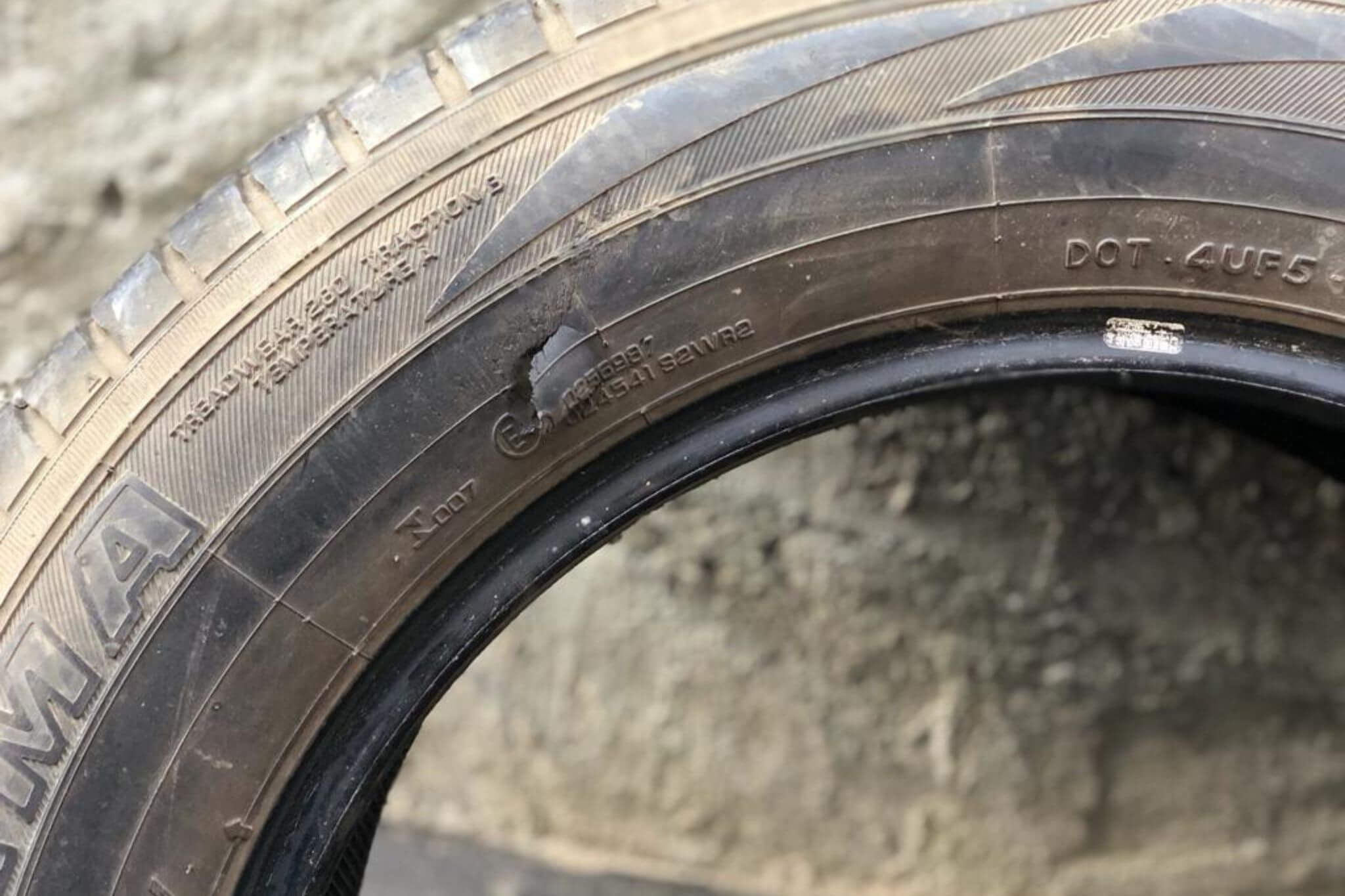
Embedded within the fabrics of most, if not all, regular tires, are steel wires. These wires on tires are meant to fortify the tires against possible assault or injury. Wires in tires also makes your tires durable and long-lasting. But, how long will tires last with cords showing? and for how long can you drive on tires with cords showing? Highlights: Many drivers allow tires to get so severely worn out that wires in the tires eventually show or become visible. Wires showing on tire (wire coming out of tire) can be a major nuisance and quite dangerous. Tires showing wires: Don’t get to such a point with your tires. But, how do tire thread showing really far in our roads and how safe are they to us drivers? Wires sticking out of tire: Whenever tire codes are showing, driving on those tires can definitely endanger your life and other car occupants – especially when driving at high speeds. The only safe distance in such situations is the distance that you will drive to get to the nearest tire shop for a tire replacement. Any tire whose wires are on the show should not last for longer than about 87 to 94 miles at most, though it is very difficult to really determine the exact distance. Wires Showing on Tire / Tire Cords Showing / Tire Threads Showing If you notice a wire showing on your tire, it’s important to take action immediately. This is because the wire is likely a result of the tire cords showing through the tread. When this happens, it means the tire is wearing down and could eventually fail. If you see tire threads showing, it’s important to have the tire inspected by a professional. They can determine if the tire can be repaired or if it needs to be replaced. Tire cord showing is normally a case of worn-out tires that need replacement. In either case, it’s important to take care of the issue as soon as possible to avoid further damage to the tire. If the wire is left unchecked, it could cause a blowout. Here’s what you need to do if you see a wire showing on your tire. First, take a close look at the tire to see how extensive the damage is. If the wire is just poking through the tread, this could be easily repaired by your mechanic. However, if the wire is sticking out more than a few millimeters, or if it’s located in the sidewall of the tire, you’ll need to replace the tire. Tire wires showing from the sidewall should be replaced as soon as possible. Repairing the tires will entail removing the wire with a pair of pliers or use of a tire repair kit. Once removed your mechanic will use a patch kit or plug to repair the hole. If the damage is severe, your mechanic will advise you to replace the affected tire. You’ll probably be required to buy some new tires to replace all affected tires. Here are our recommendations of some of the best tires you could go for (Amazon). Don’t ignore a tire showing wires. Take action right away to avoid a blowout. Wires coming out of tire is very dangerous and should be replaced as soon as possible. But, what causes wires to show on tires? Are there any specific causes that could be leading to this? What about white thread showing on tires? The below table shows the a breakdown of causes of of wires sticking out of tire. Is it safe to drive on tires with the cords showing? No, it’s not safe to drive on tires with cords showing on tires. Tire cords showing is very dangerous and you shouldn’t drive with such tires. If anything, the only drive you should be making with such tires is your trip to your nearest tire repair shop and get a replacement tire. Such tires can easily lose air pressure at any moment without notice. Any tires with it’s cords showing or rather with thread showing on tire should not be used especially in rainy conditions. It’s not safe at all to drive on any tire whose cords are showing. Get a tire replacement as soon as possible by visiting your local mechanic. You should also consider some of our recommended and most affordable tires that you could easily purchase on amazon. How Long Can You Drive on Tires With Wire Showing It’s generally not safe at all to drive on tires with wire showing. This is mostly because the wire reinforcement in the tire is what helps hold the tire onto the rim of the wheel. It also helps keep the tire properly inflated. White thread showing on tires: When the tire thread are showing, it means the sidewall and tire treads have worn down and is no longer safe to use. This could be risky not only for you but for other car occupants as well. Driving for long distance with wire showing on tires could easily lead to your car losing control due to the tires failing and could lead to some serious accident. So, how long exactly can you drive on tires with wire showing? The shortest distance to your repair shop. You shouldn’t drive for more than 15 to 30 mins before making the relevant replacements. Always check on your vehicle tires to protect yourself and your loved ones before starting any journey with your car. If metal wires are showing on tires (metal showing on tires), you should proceed to replace the affected tire as soon as possible. What Happens if You Drive on Tires Without Tread? It is simply dangerous to drive on such tires. Most experts agree  4/32 of an inch is the minimum tire tread depth that is really safe for driving. When roads are wet, worn tires reduce the ability or efficiency of your braking power, the car is likely to hydroplane, reduce traction, develop easy and quick … Read more