
How Much Tire Sidewall Damage Is Too Much?
How Much Tire Sidewall Damage Is Too Much

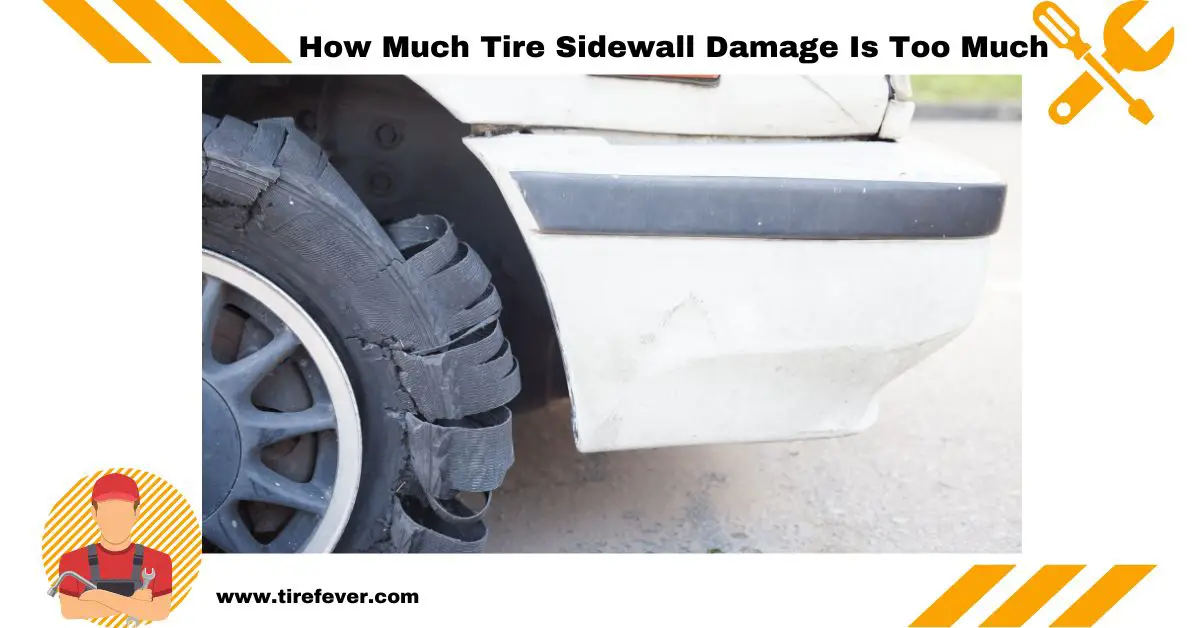
Tires are made of different kinds of hardened rubber to ensure strength and resilience, and the tire sidewall is just one of the components of tires on either side of the tire, on which are written the specifications of the tire. It is one part of any tire that is very difficult or even impossible to repair, and where one manages to repair a tire sidewall after it is torn, using such a tire is associated with enormous risks. You could say, repairing a tire sidewall damage, is not recommended. (Read Also:Will Tire Chains Damage Driveway?Find Out) There is no such thing as how much tire sidewall damage is too much if we must be sincere with ourselves. This is mainly because any sidewall tire damage is a potentially very dangerous situation that can metamorphose into something much bigger, if care is not taken, and hence the only care, in this case, is to replace the tire immediately. However, we shall look at some common serious sidewall damage to look out for and be wary of. When your tire sidewall has its cords hanging outside, you have a serious issue on your hands. Similarly, sidewall damage is very serious when you can see bubbles in or anywhere around your tire. As said earlier, any sidewall tire damage must be considered too much, since it can aggravate and lead to much bigger issues. (Read Also: Can I Use Tire Foam To Clean Engine?) How Much Sidewall Damage is Too Much So, how much sidewall damage is too much? Is sidewall tire damage dangerous? These are critical questions that we need to get to the bottom of promptly. When it comes to a damaged tire sidewall, there is no compromise, you need to get a better understanding of the severity of the damage to understand the exact action to be taken. So, how much sidewall damage is acceptable? The below table covers in detail the different types of sidewall damages, their description and severity of the situation. Now that we know the different types of sidewall tire damage, let’s now look at the repair options that we can leverage on. But before that, is tire sidewall damage dangerous? Tire sidewall chip or tire wall damage can be very dangerous. Especially if the tire is ripped on the side. It could easily blow up and cause the your tire to blow up. Tire sidewall damage is not safe to drive and should be looked at immediately. Below is a table covering sidewall tire damage repair options. It should be able to guide you on the sort of sidewall damage you are dealing with and the sort of repair options at your disposal. Depending on the severity of the sidewall damage, you may be wondering; is tire sidewall damage safe to drive? The quick and direct answer to this is , no. It’s not safe to drive on a damaged tire sidewall. You should aim to have it replaced as soon as you can. What Is Tire Sidewall Damage? Tire sidewall damage relates to damage on tires that covers issues and complaints involving the sidewall of your tire. This can manifest as huge chunks of rubber tissue lost from your sidewall, deep cuts and abrasions to your sidewall by hitting a strong obstacle such as a curb, and also the presence of a bulge or two, on the sidewall of a tire. For short, whatever compromises the integrity of your tire sidewall is sidewall damage, irrespective of its size or nature. Trending Searches What Causes Tire Sidewall Damage? Several factors are complicit in causing tire sidewall damage such as: 1. Under-Inflation This can be traceable to the driver’s negligence. This is because tires are known to self deflate at a steady rate naturally and hence we should ensure to keep the pressure at normal levels by gauging the tire regularly. Where this function is willfully neglected, we can’t but see that as negligence. 2. Age Of The Tires Under ideal circumstances, tires are adjudged as safe between the ages of eight to ten years. After this time, the strength, plasticity, and everything about the tire is much reduced, if not totally lost. At this stage, tire sidewall damage has a huge likelihood of occurring. 3. Damage Tire sidewall damage can occur due to various road hazards or even very poor maintenance and installation. Damaged tires are bound to lose air rapidly and progressively degrade which may cause sidewall damage too. Read Also: Can You Get A Flat Tire From Hitting A Curb? 4. Overloading When you carry so much load that is beyond the designated capacity of the vehicle, you are in essence risking possible tire sidewall damage in your tire. The theory is that an overloaded vehicle may veer out of control and wobble on the road from one side to another, which is a potentially very risky situation. As the vehicle wobbles on the road, tire sidewall damage may not be far behind. 5. Manufacturing Defects When a tire is mistakenly rated for speeds beyond its capacity by the manufacturers, sidewall damage is very likely to occur in this instance. Therefore, it is important to test tires adequately and ensure their proper speed rating before releasing them to the general public for consumption. Such poorly rated tires have the propensity to become overheated after installation. 6. Tire Wear Worn tires are more likely to overheat faster than normal ones. Their cords may fall apart and begin to show and should you hit something like a curb in this condition, tire sidewall damage may be unavoidable. Can Tire Sidewall Damage Be Repaired? Yes, for the sake of discussion, they can be, but such repairs are for all intents and purposes useless. This is because you are not advised, for your own sake and maybe others as well, to drive a car with tire sidewall damage. Concerning how to repair tire sidewall damage the most important thing to note is that this are … Read more
How Do You Use The Acura Flat Tire Repair Kit?

How Do You Use The Acura Flat Tire Repair Kit.

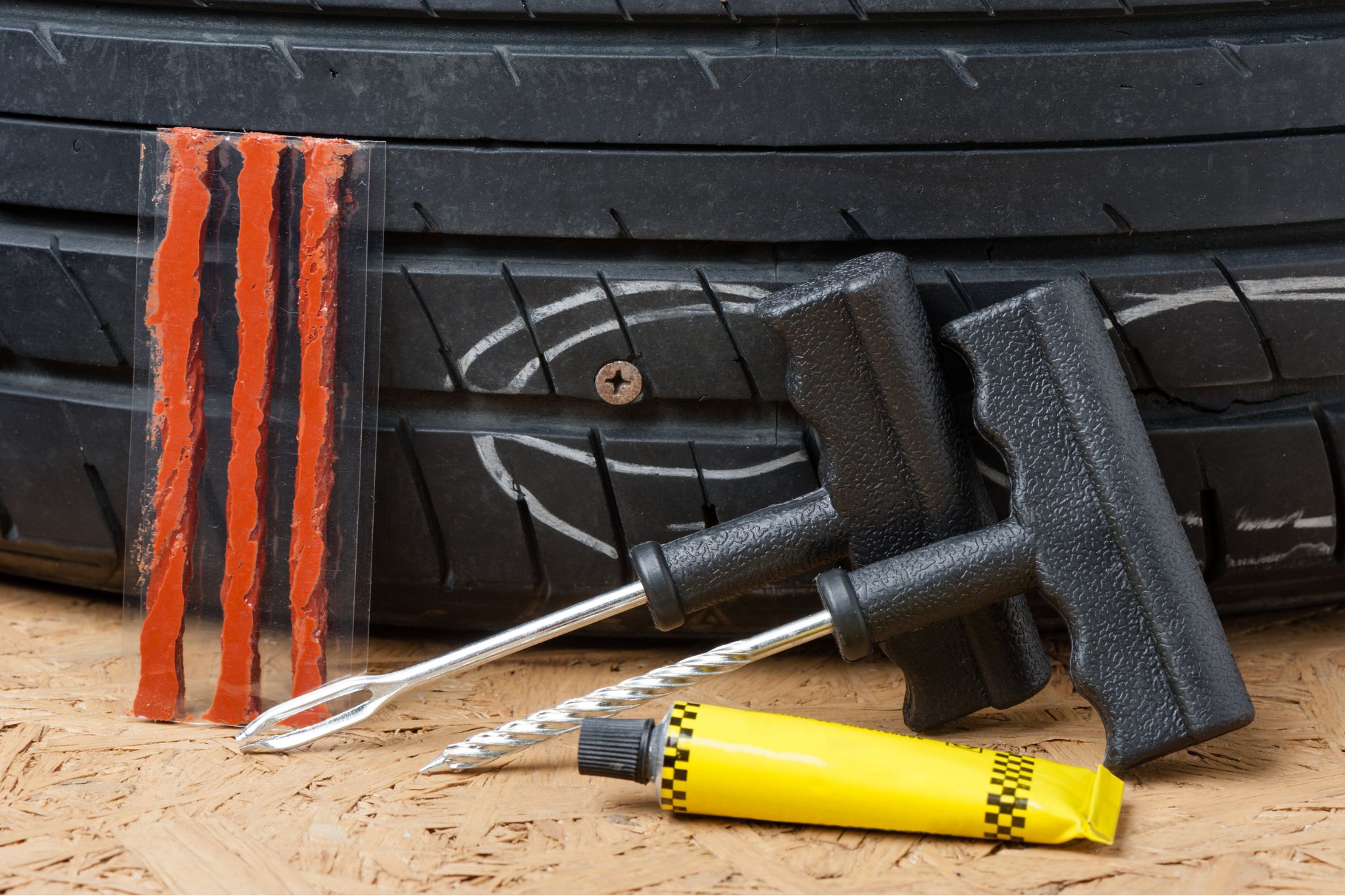
The Acura flat tire repair kit not only fixes the hole in the tire, but it also inflates the tire after sealing the puncture, and in just a matter of minutes. Come to think of it, this repair kit will essentially save you the arduous task of jacking up the vehicle, loosening the punctured tire, replacing it, and so on. As long as any tire puncture is within the puncture repair area and is not too large, you are assured of prompt repairs to the injured tire. How Do You Use The Acura Flat Tire Repair Kit? To answer this question adequately, we shall explain the procedure in steps: Step 1 Before you embark on any tire repair work with this kit, you are please advised to thoroughly read the enclosed user manual and make sure that you are conversant with the entire process,  from start to finish. Step 2 Since the sealant is introduced into the tire via the air inflation valve, attach the sealant hose to the valve stem of the tire and tighten up the connection provided, in order to prevent the sealant from disengaging midway in the repair process. The point where you couple the tube of sealant to the tire valve is so suitably designed and provided with a screw to ensure a very firm hold, while you push the repair chemical into the tire. (Read Also: Can You Drive Without Axle Nuts?) Step 3 The sealant is provided with a power cable and through this cable, connect the tube of sealant is to the power source of the car. Step 4 The moment you are sure that the two are connected securely together, turn on the engine of the car. The car battery will provide all the necessary energy required to ensure the successful delivery of the sealant into the tire. Step 5 On the tube of the sealant is a conspicuous dial, which you should turn to ‘Sealant’ at this stage before pushing the kit power button. Thereafter, inflation will start immediately. Step 6 Monitor the pressure gauge closely,  so that you will inflate the tire to the recommended pressure compatible with it, as is written on the driver’s side door jam label. That is all you need to do in order to inflate your tire with the Acura flat tire repair kit. Trending Searches What Is A Tire Repair Kit? Simply put, a tire repair kit is a device that can be used to repair punctures in tires as well as inflate them at the same time in mere minutes. This tire repair kit has the added advantage of making it possible to fix punctures in your tire without going through the stress and rigors associated with jacking the car up and removing punctured tires. You can simply mend your punctured tires on the spot and in no time too. This is certainly a relief indeed. How Do You Use A Flat Tire Repair Kit? Using a flat tire repair kit is actually a very easy procedure to accomplish. It does not involve more than just parking the car, after you got a flat at a safe place, to prevent any accidents on a busy road and thereafter, coupling the repair kit to the air valve of the tire, using a feature provided in the kit for this purpose. The power of the car is used to actually pump the sealant into the punctured tire which will repair the hole in it, as well as inflate the tire afterward. It’s as simple as that and you’re done. Why Should You Buy A Tire Repair Kit? There are many reasons why we all require a flat tire repair kit and some of these reasons are: It Creates A Temporary Fix To Flat Tires A tire repair kit is actually a temporary fix for punctured tires that are specifically meant to enable you to fix your tires and get out of harm’s way so that you can seek for tire specialist for more proper and permanent tire repairs. In other words, a flat tire repair kit is an alternative to a spare tire. Though, unlike a repair kit, changing to a spare tire takes a lot of effort in jacking the car up, and removing the injured tire before replacing it with the spare. The repair kit saves you from all these rigors. 2. Money Is Saved On Tire Replacements A tire puncture does not imply that we have to change the tire, though this may depend on how big the puncture is. When this temporary repair is executed correctly, it can save the tire for a proper repair, and by so doing enable you to continue using your tire afterward. This will keep the tire in use, which otherwise you might have been required to change. So, this kit saves the money that would have been used for any replacement. (Read Also:  Can Tire Rotation Throw Off Alignment?Find Out) 3. You Learn A New Skill This flat tire repair is not useful to only drivers, because all other gadgets with rubber tires such as bikes, wheelbarrows, and carts can all have flat tires. Since the repair procedure is basically the same, it means that what you learn here can be quite applicable to other types of vehicles or gadgets with tires too. Taking all these into account, it is easy to see why you require a flat tire replacement kit because you never know when the skill acquired will come in handy. What Is The Best Flat Tire Repair Kit In The Market? Tire repair kits should be durable, fast in sealing tire holes, and also rust-resistant. Additionally, they should be able to repair most vehicle tires without complications. (Read Also: Can A Cracked Rim Be Welded?) This is where we shall introduce to you products that are as good as advertised. They are reliable, durable, and sold at budget-friendly prices too. They are also very compact and light in weight, which … Read more

How To Lower a Floor Jack [Essential Tips & Techniques]

How To Lower a Floor Jack

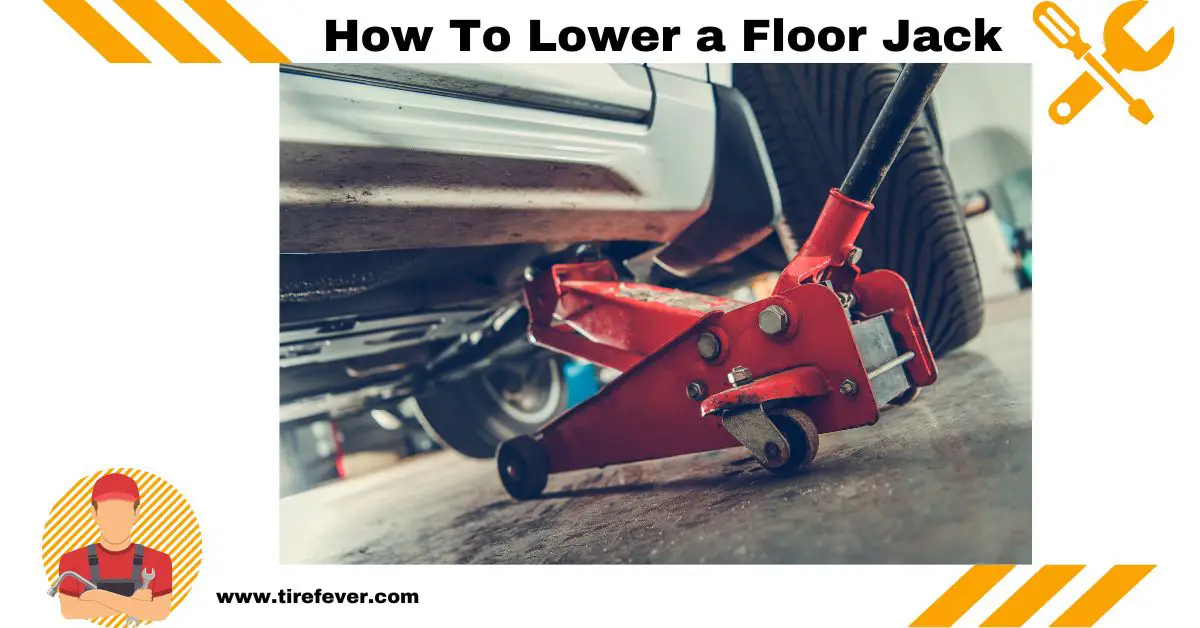
If you are planning on handling any car maintenance or repair, especially changing the tires, you will eventually need to use a car jack. This useful tool helps to lift, hold and lower your car allowing you to change the tire, check the brakes, and much more. To prevent any injuries or damage to your car, it’s important to learn how to properly operate your car jack. Want to know how to lower the jack safely? Keep reading! Preparing to Lower the Jack Gather Necessary Tools and Equipment There are three common types of car jack namely bottle, scissor, and floor/trolley. Each carjack can help you raise or lower your car before making a tire change. Besides the car jack, you’ll also need a jack stand, or wheel crib and rods. Clear and Secure the Area Start by removing any tools or the toolbox followed by the flat tire. Place the flat tire in the boot of your car for repairs later. Then inspect the ground area to ensure that there are no obstacles before you lower your vehicle. Position the Jack Correctly Before you lower the car jack, position it correctly. This provides extra protection against your vehicle falling and seriously injuring yourself. This is especially true when using a mechanical car jack as it can pop up and kick when the car is lifted. Remember, a car jack is a useful and extremely safe tool but you must use it correctly. Lowering the Jack Release the Jack Handle Slowly and Carefully If using the hydraulic floor or trolley car jack or bottle jack, locate the release valve or the screw key. Place the rod over the screw and slowly turn it counterclockwise. As you turn the rod, the valve will slowly open and the car jack will drop. If using the scissor car jack, place the rod onto the screw key then turn it in the opposite direction. Once you do so, the car jack will lower accordingly. Allow the Jack to Lower Gradually, Using the Handle to Control the Descent As you lower the car jack, use the handle to control the rate of descent of the car. If people were helping you raise or repair the car, it’s recommended to say “clear” loudly before you lower the jack. This is a safety measure that alerts others of what you’re about to do. Stop Lowering the Jack When It Reaches the Desired Height Once the car tire touches the ground, stop lowering the jack. Once you do so, get the jack out from under the car. If using the hydraulic car jack, push down on the saddle. This will manually lower the piston. If the threaded saddle is already raised, turn it clockwise. Do so until it reaches the base of the bottle head. Storing the Jack Clean the Jack and Handle Thoroughly Since the car jack is already exposed to grease, your jack will act like a magnet for dirt and dust. To keep it clean, take a clean cloth and wipe the surfaces down. Then, wipe down with a lightly oiled cloth. Once a year, give your car jack a thorough cleaning. This will help remove any buildup. Secure the Handle in the Proper Storage Position Once you wipe down and clean your car jack, release the pressure in the cylinder. This will alleviate stress on the jack. When storing your car jack, secure the handle in the proper storage position. Then store the car back in the upright position. This will prevent hydraulic oil from leaking. Store the Jack in a Dry, Secure Location If using the bottle or scissor car jack, you can store it in the trunk of your car or your SUV’s way back under the cargo floor cover. But, if using the hydraulic floor or trolley jack, store it in a dry and secure location in your garage. Tips for Safely Lifting Heavy Loads With a Floor Jack List of Common Mistakes to Avoid When Using a Floor Jack To ensure no accidents or injuries when lifting or lowering your car jack, follow the tips above and avoid mistakes. Conclusion – How To Lower a Floor Jack Safely lowering the jack is an important part of car maintenance and using a jack. To lower your car jack safely, release the jack handle carefully and slowly then allow it to lower gradually. Do not hurry the process. Use the handle to control the jack’s descent and once you reach the desired height, remove the jack, clean and store it in a dry secure location. To avoid any injuries or damage to your car, always follow the manufacturer’s instructions accompanying your car jack. This will ensure the safe use of your car jack.

Can a Wheel Speed Sensor Cause Limp Mode?

Can a Wheel Speed Sensor Cause Limp Mode?

It is challenging to find a non-computerized car today. Modern manufacturers equip vehicles with hi-tech systems that can mitigate a lot of car defects. These computerized systems signal car dashboards when problems occur and ease the troubleshooting process. The vital question, therefore, to ask ourselves is, can a wheel speed sensor cause limp mode? Can a Wheel Speed Sensor Cause Limp Mode? When a faulty wheel speed sensor sends wrongful signals to the car ABS, the car computer system will activate the limp mode to protect other essential components. This will disable certain car functions, such as shutting down the AC. Faulty wheel speed sensors send wrong signals to the ABS control unit. This generates a trouble code which will indicate a trouble light. In case you suspect a defective sensor make the following diagnosis; What is a Wheel Speed Sensor? A wheel speed sensor or a vehicle speed sensor is an electronic gadget used to monitor the rotational speed of a vehicle wheel. It sends the information to the vehicle’s anti-lock braking system (ABS). The wheel speed sensor is essential in controlling brakes and ensures the stability of a car. It is usually mounted on the wheel hub and sends the information it receives to the vehicle computer. The vehicle computer uses the wheel speed sensor data to adjust its brake system to ensure a smooth stop. A limp mode is a state in which the vehicle’s computer system detects a fault in the engine, reducing engine operation to provide safety and reduce further engine damage. A car in limp mode will minimize power mode to limit the output of power to safeguard the engine and other components from further damage. How Wheel Speed Sensors Work All the wheels of a car are usually attached to wheel speed sensors. The sensors are made of an electromagnetic induction sensor head and magnetic ring gear of ferromagnetic material. The wheel speed sensor’s function is to monitor and relay the wheel speed data to the ABS control unit of a car. The wheel sensor detects the wheel rotation frequency and calculates it to the vehicle speed, which converts the information into signals. Once received, it is interpreted by the ABS computer system to activate a different set of actions on the vehicle. Various Types of Wheel Speed Sensors There are two main types of wheel speed sensors passive and active sensors. These types of sensors send analog signals in alternating voltage form to the ABS control unit, where they are analyzed and utilized. Each wheel of the vehicle creates a unique AC signal. These signals can only be active when the wheel’s rotational speed is fast. They do not read at a low rotational speed. These sensors can detect the rotational direction of the wheel and record the signals using a magnetic pulse sensor. They function in various temperatures and provide output to the ABS in digital signal form. The ABS and other car systems use the information provided. Active wheel speed sensors are not as sensitive as passive sensors. How Limp Mode Works The limp mode shields important car components when the car computer system detects faults in the engine that could cause further damage. When the limp mode is active, the car’s engine will be limited to certain functions. Some common causes of limp mode are blocked air filters, faulty vehicle sensors such as wheel speed sensors, inadequate vehicle fluids or oils, and failed transmission. Consequences of Driving With a Faulty Wheel Speed Sensor A vehicle wheel speed sensor is essential to ensure users’ safety. It works with the ABS to provide a car that can have an emergency brake smoothly. A broken sensor can cause you to lose control of your vehicle and cause a crash. Broken wheel speed can make the entire ABS not function correctly, impacting other systems in the car, such as traction control and stability. Inaccurate reading of the vehicle speed is another effect of driving a car with a faulty wheel speed sensor leading to increased fuel usage. Common symptoms of a faulty wheel speed sensor The first warning signs that your wheel speed sensor may be faulty are; Conclusion The wheel speed sensor of a vehicle is an important safety feature. A glitch in the sensor can cause defects in other vehicle functions leading the car to limp mode. Constantly consult your mechanic to check your vehicle speed sensors to avoid further damage to your engine and protect you from losing control over your car and causing accidents. To ensure your wheel speed sensors are correctly functional, clean them regularly, and check for damage and wiring.

Are Scissor Jacks Safe?

Are Scissor Jacks Safe

The scissor jack is a popular handy tool for lifting vehicles in the automotive industry and is also common in commercial and personal garages. But are scissor jacks safe? Every mechanic or car tool buyer prioritizes safety concerns before deciding to purchase such a tool. Meanwhile, although the scissor jacks are a fundamental tool that at least any car owner should have, you should be able to use them securely and correctly. This article seeks to clarify some of the most frequently asked questions, such as: are scissor jacks safe? Are they safe for an oil change? How long can a scissor jack hold a car? How much load can a scissor jack lift? And more. Are Scissor Jacks Safe? The safety of scissor jacks depends on various things. It is important to read the instructions that come with the scissor jack before using it for any purpose. When using scissor jacks, ensure it is on a solid surface, and the user should set them under the car’s frame. Moreover, follow the manufacturer’s recommended weight limits – never exceed them. Some safety practices that guarantee optimal protection include; The Jack equipment handle can strike you and stand on one side: when using the jack, stand to one side so that the handle does not swing toward you when the car is lowered or raised. Getting hit by the handle can cause serious injuries. Therefore, you should always remove the handle when not in use and avoid straddling it. Use blocks for support: It is recommended to place blocks of wood or other solid materials to support the car when it is raised in case the jack fails. Doing this ensures that the car does not fall suddenly, which can lead to serious injury and damage. Proceed with caution: Always lift or lower the car slowly and be prepared to catch the vehicle if it starts to slip off. Besides, it is vital to lower the car evenly and never completely release the handle while lowering it. Are Scissor Jacks Safe for Oil Change? Changing the oil requires lifting your car off the ground to access the oil filter and drain plug, making it necessary to use a scissor jack. It is impossible to change the oil without lifting the vehicle, whether a saloon car or a heavy commercial vehicle. Fortunately, scissor jacks are safe for oil changes. But you must follow safety protocols and take the necessary precautions. Doing this ensures anyone working near the vehicle, as well as the safety of your car. Furthermore, safety is guaranteed as long as the weight limit is not exceeded. It is crucial to use the appropriate jack for a vehicle and not exceed its weight limit. Additionally, when using a scissor jack for an oil change, it is recommended to place blocks of wood or other solid materials to support the car in case the jack fails. How Long Can a Scissor Jack Hold a Car? The strength of scissor jacks depends on the size, quality, and weight it is designed to support. You cannot generalize them as if they support equal weights. However, scissor jacks are made of heavy metal, giving them proper stiffness and strength to withstand standard loads without breaking. Meanwhile, if you are interested in how long a scissor jack can hold a car, the answer is as long as you need it. However, the manufacturer specifies the weight capacity of a particular scissor jack, and it can hold the car as long as its weight does not exceed the specified limit. Holding a car lifted in the air for too long can be risky as in case jack slides can damage both the jack and the car. So, you should not leave your vehicle suspended for a very long time. How Much Load Can A Scissor Jack Lift? The weight limit of a scissor jack depends on its size and construction. Some jacks are constructed with a higher weight capacity than others. Therefore, when selecting a scissor jack, it is crucial to look for one that can handle the weight of your vehicle. Typically, most scissor jacks can lift up to 1 ton (1000 kg), which is why they are perfect for small and medium-sized cars. On the other hand, heavy-duty scissor jacks can lift up to 3 tons (3000 kg) and are intended for heavy commercial vehicles. Thus, it is essential to select a safe scissor jack that can handle the weight of your car. Finally, to know how much weight can a scissor jack lift, you can read the instructions manual or consult the manufacturer. Conclusion Scissor jacks are a reliable tool for car owners and professional mechanics alike. The description above makes a bold clarity whether scissor jacks are safe. Indeed they provide a convenient and secure way to lift automobiles for oil changes or other purposes as long as specific guidelines are followed. A scissor jack can hold a recommended weight for a prolonged period with no issue when it comes to strength. With these instructions in mind, it’s safe to say that the scissor jack is an invaluable item on hand at home and in a professional auto garage. Of course, there are many more when it comes to having the right tools around your workspace or garage and staying safe. However, ensure your mechanic has the right tools and get yourself a scissor jack if you haven’t already—you won’t regret it!