How Long Will Road Bike Tire Last? 

How Long Will Road Bike Tire Last

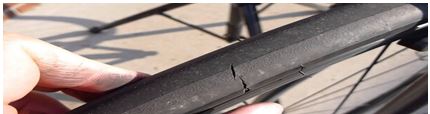
Everything there is, both living and none living has got a lifespan beyond which they lose functionality. At the point of purchase, the shiny attractive appearance of the bike tire with its alluring luster may cause you to become deceived about its life expectancy. You may also be proud of yourself as being a super careful person with a high level of maintenance practices and believe this to keep the tire forever. The reality however is that none of these can prevent the tires from needing replacing. So, how long will road bike tires last? What is well established is that road bike tires at some point will need replacing. It is however difficult to put a number to this, primarily because a host of factors will need to be considered before such a verdict is given.  Given the unending need to provide answers to the ever-inquisitive bike owners, this article will to a great extent, address this issue holistically and provide answers to other similar questions. While the exact lifespan of the road bike may be hard to tell, may keeping an eye out and hawking over the tire, you will be able to tell exactly when they need changing. Road tires are not exposed to the same condition as mountain tires and therefore will not be expected to have the same lifespan as mountain tires. This implies that the condition of The Road or say the type of terrain the tire is mostly driven on plays a role in how fast it will need replacement.  As for the road tires, there is a general statement on how long the tires last, however, even before this is stated, it must be stressed that this is only a general prediction and does not put into consideration external factors such as climate conditions, brands, and quality of the tire amongst other factors.  The duration for which the tires remain maximally function is stated in miles and not months or years. This is large because, how long the road bike tires last, is more of a factor in how frequent it is ridden. So let’s put a number to this duration.  Road bikes are said to last an average of about 1000 to 3000 miles. This is a much longer duration than racing tires which barely last for a thousand miles due to the priority given to maximizing their performance at the expense of durability.  Trending Searches Can You Reuse Bike Tires?Find Out Now Can Bike Tires Pop?Find Out Now Why do road bike tires last for that long?  For those who are aware of or drive racing bikes, how long a road bike tire last may come as a huge surprise. You have to understand that the condition of the road is nothing compared to the rough terrain of mountainous climbs. This is a contributing factor to the lifespan of road bike tires. However, if the tires are driven under bad road conditions, their lifespan gets shortened considerably. How long you should expect the tires to last is also connected to the tire’s exposure to certain conditions.  The sun can single-handedly cause cracks in the tires even when the tires are parked in the garage. Other conditions such as harsh chemical exposures could do the same. Once cracks are noticed in the tires, they must be replaced immediately as there are no repair methods that could fix this. Are road bike tires durable?  Compared to other types of bike tires, road bike tires are impressively durable. When well taken care of, the durability is further enhanced. The durability depends on the quality of the tire, which in most cases varies with the different brands out there. There are reputable brands with trustworthy road bike tires which are sure to last for a considerable period even with minimal maintenance practices. However, certain untrustworthy brands market ill-quality tires that are unworthy of any penny spent on them. The onus is on you to do proper research into the brand you intend to purchase. Your choice should be guided by the quality of the tire, the type of tire, its size, and other essential features that are a good fit. Tires which have special features such as puncture protection and flat protection are usually more expensive but are worth the buy. Although road bike tires are considerably durable, this can be improved by certain practices such as the use of Protestants against the sun’s UV rays, considering the type of road in your choice of tire type, not overlapping the tire, maintaining the recommended tear pressure at all times amongst other practices. Do road bike tires have an expiry date?  Tire expiration is not usually a common discussion because most tires will need repaving before the end of their natural life. Some companies indicate on tires when an expiration date, this is perhaps most important when the tires are bought from an untrustworthy online or offline auto shop that may attempt to sell expired tires to you. The tread wearing off and becoming smooth should be one of your primary worries. The rate at which this will happen will depend firstly on the quality of the tire, the rider’s weight, the condition of the road on which the bike is commonly road, and whether or not the tire is in the front position or rear. When can one replace a road bike tire? In humans and animals, aging is characterized by signs that imply that the human or animal is approaching the natural end of their life. Aging even in today’s world of advanced science and medicine remains inescapable. Road tires may not necessarily last up to the 3000 miles mentioned earlier in this article.  Are there any signs or indicators to look out for in your road bike tires that could give you a good idea of the state of the tire and whether or not replacement is imminent? Bike owners who engage in routine inspection of the tires, especially after every … Read more

Will A Bottle Jack Work Upside Down?

Will A Bottle Jack Work Upside Down

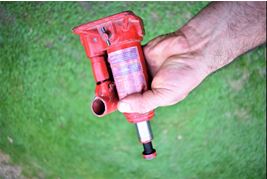
There are many mechanical problems out there that require you to use a jack upside down. In case you have encountered or are encountering one right now and you are asking “will a bottle jack work upside down?†here’s your answer. Yes, a bottle jack can and will work upside down as long as you do this: slide the bottom (which should now be the top) into a pair of steel channels that are welded to a top frame. This helps the jack to be removed easily at any point in time you might like, and if there happens to be any sort of danger during the movement, slightly extend the channels and add a locating pin. You can also use two jacks at the same time; one will be in an inverted position while the other will be in an upright position – the upright pump helps to limit the ram movement. When this is done, drill the bottoms of the jacks and use a high-pressure hose to connect them. It definitely works. Trending Searches How do you fix a bottle jack that won’t lift? A bottle jack that won’t lift has lost its value which can be caused by poor maintenance, bulky use, and environmental factors that can compromise its value. Before any damage to a bottle jack occurs, there must have been early signs which you ignored especially when these jacks have been available to you for many years. Below are some of the signs you should quickly notice and fix in your bottle jack before it escalates or gets you injured in the cause of use. Your jack is slow in release or doesn’t extend fully All bottle jacks are designed to depend on pressure caused by fluids to create any sort of movement. When the fluid flow is hampered or compromised in any way, it can cause a huge problem when lifting machines. What you should do You may want to consider replacing the hydraulic oil if possible or better still, let go and get a new one. Your bottle jack makes lots of noise during usage When you get too much noise from the wheels of your bottle jack, it’s simply the bottle jack’s way of telling you those parts need to be replaced. What you should do You may try working around it by greasing these parts to reduce the noise and increase its efficiency, but replacing these parts as a whole is considered the best option. Your bottle jack has a damaged frame Anything dent or hit that compromises the structural frame of your bottle jack could spell disaster and cause it to collapse under heavy load which could lead to injury or even death. Such damages are not redeemable and would require you to get a new bottle jack altogether. What you should do Simply buy a new jack to avoid stories that are better left untold. Your bottle jack handle gives you kickbacks If you notice your bottle jack is giving you kickbacks after a downward stroke, you are advised to stop using your bottle jack immediately. Using your bottle jack under such conditions is very risky and could cause you serious injury if you persist. However, such faults can be fixed with the help of a professional. What you should do Seek the service of a repair professional for rectification, or better still, get a new bottle jack. Your rams won’t lift The inability of rams to lift is usually caused by the little hydraulic fluid in your bottle jack. This can always be remedied by adding more hydraulic fluid, then trying to put the bottle jack in its release position; making a few pumps to release any air that might have been trapped inside, then filling up the reservoir. As long as the seal is replaced adequately, the rams of your bottle jack should have no problem lifting at all. What you should do Replace the hydraulic oil and follow the steps above, your bottle jack will work after everything is concluded. Your bottle jack emits milky or foamy oil You should sense danger the moment the oil in your bottle jack changes color. This could simply mean that water has gotten in contact with the hydraulic oil in your bottle jack which is usually caused by poor storage on your part. The presence of water in this area can lessen the viscosity of the hydraulic which is necessary for effective use. It could also cause internal corrosion in your jack which could weaken the structural integrity of your bottle jack with time if not attended to. What you should do You should try replacing the hydraulic fluid in your bottle jack with a new one, and try to ensure you maintain your bottle jack properly. Fluids are leaking out of your bottle jack Since the only fluid found in bottle jacks is hydraulic, then it’s most likely that the leaking substance is hydraulic however, this is not always the case. You have to be sure of the type of liquid leaking out, then, make a thorough inspection of where the leak point is located, and if it’s something you can’t handle on your own, you might need the help of a professional. What you should do Seek the help of a repair professional. Your overload jack is tripping your safety valve This is a common problem with almost all bottle jacks that occur when the intending load to be lifted is too heavy. If the load is more than the design capacity of the bottle jack, the safety valve of your bottle jack will automatically engage. When this occurs, you will have to refer to the user manual of your bottle jack on how to reset it. How to maintain a bottle jack You should have most of the issues discussed above if you have good maintenance culture. Your bottle jack can last for years if only you will be willing and careful enough to maintain … Read more

Will Tire Pressure Light Fail Emissions?

Will Tire Pressure Light Fail Emissions

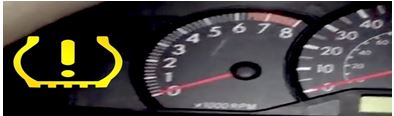
A good amount of studies, research, and technological advancement are being made to get a man to inhabit other planets such as Mar. A notable example of such are the incredible strides of the world’s current richest man, Elon Musk. Irrespective of all of these, the earth is currently all we have got and the only place to call home as of today. Therefore, all efforts including emission tests must be made to keep the planet free from air pollutants. Tire pressure light may mean more than simply low tire pressure, it may have a bearing on emission. So, will tire pressure light fail emissions? Regarding the criteria for passing or failing the emission of the smog test, there are no generally accepted universal conditions for this. The central or federal government is relatively silent on what and what constitutes acceptable criteria to screen out a vehicle or designated it environmentally unfriendly. Whether the pressure light is part of what could affect your success or failure during an emission test is dependent on the state where the test is being carried out and the state’s criteria for a smog test. Over the years, experts and environmental scientists have given several warnings about the increasing air pollution either due to domestic or industrial activities. As part of the measures to help reduce this pollution, several states have made it legally binding for drivers and var owners to go through the emission test to ensure the car is not a threat to the environment and does play a significant role in the already deteriorating ecosystem. The essence of the test is to reduce the number of air pollutants such as hydrocarbons, oxides of nitrogen, carbon monoxide, and oxygen, all of which are present in exhaust from the tailpipe of vehicles. You and I are earth dwellers and must take an active role in securing the planet and making it habitable for man. Therefore, the emission test is a moral duty as well as a legally required activity in some states. A good number of states are already on board with this program and a lot more are considering it. Therefore, every car owner must learn about what could coat you with this tear and have it fixed before the time for the test. Depending on the state’s peculiar criteria, the test could take from about 15 minutes up to 30 minutes. It is however not a time-consuming exercise and therefore will not take up your whole day. Following a successful emission test report, you may proceed to complete the car’s registration. Why can’t tire pressure light fail emissions?  While the tire pressure may indirectly affect the number of emissions that are out of the car’s exhaust, there are states where the tire pressure light does not form a component of the criteria used in screening cars for emission. In such a state,  your car would not fail its emission test simply because the tire pressure light is on.  The hydrocarbons and other air pollution that could be coming out of the exhaust is not the first thing that comes up seeing the tire pressure light on the dashboard. Rather, the light generally signifies the exact condition of the tires at that moment.  Although tire pressure is directly related to the air pressure in the tires, its insect relationship with the emission of fumes from the car exhaust makes some states include this as a criterion for emission screening. Trending Searches How do I turn off the tire pressure light? A tire pressure light that can tell the exact condition of the tire at any given time but rather remind on irrespective of the tire pressure is a perfect candidate for a reset which will end the ambiguity Some of the methods applied in this regard include driving the car for about 10nkiles at 50 mph or more. Whenever ever the car is turned on again after driving at such a speed, the light would no longer stay on. You can also turn off the light by locating the reset button underneath the steering wheel. Long press on this button and do not remove your finger until you notice 3 times blinking. The result would be the light on th dashboard going off. Other methods include deflation of all tires with the spare inclusive and re-inflating them to the manufactures recommended pressure. Excluding tire pressure light, what can cause emissions failure?  It may be difficult to find out on your own some of the criteria considered at the point of testing for emission in cars except perhaps for those who have gone through the process before or who know someone who has. Of course, an officer who works at the inspection point or those who are acquittances of such an officer could daily learn about the various criteria required and conditions that could cause one to fail the test. If you do not fall within any of the above-mentioned categories, this information can easily be accessed from places such as the state’s environmental agency. Note that the criteria are subject to change. For example, the tire pressure light may not be at the moment considered as a factory or determinant of success or failure in emission test for your state, the narrative may, however, change by next year or in 2 to 3 years. Therefore, always seak the updated list of these conditions. In this article, at this point, the aim is to acquaint you with some of the issues your car could be experiencing that may cost you the emission test. Here, you will be able to learn about these conditions and take the necessary steps to avoid having been told about them at the checkpoint following the failure of the test. Before thinking of the tire pressure, the following factors should be first be considered Any of these are common reasons why you are likely to fail this test Can you pass mass inspection with tire pressure light on? In … Read more

Will TPMS Fail Inspection? 

will TPMS fail inspection

Historically, the use of TPMS dates back to around 2007 when regulatory bodies made its installation mandatory. Today, many states have enacted laws that make having TPMS in your car compulsory and have checkpoints manned by personnel of these regularity bodies, to take out inspection of your car and the TPMS. Every car passing through these checkpoints must pass the inspection or risk facing disciplinary action. So, will TPMS fail inspection? The degree of enforcement of the law mandating vehicles to have a functioning TPMS, particularly those vehicles made originally with the monitoring system varies with different states. The essence of passing a legal ruling on this is to encourage drivers to pay attention to the TPMS to improve driver safety and lessen the number of blowouts and collisions that follow. If at the point of inspection the TPMS light is found to be on, representing a low tire pressure, all though this translates to an increased risk of blowouts and road collisions, the authorities are unlikely to fail your car at the inspection point, rather, failure is mostly seen in the case where the car tires are in bad condition such as having a bulge on the sidewall, or when your brake pads are considerably worn out. Any of these conditions pose a greater danger than the warning TPMS indicator light on the dashboard. If you have had your TPMS light on for quite a while and are none responsive to the tire pressures, there is a good chance the sensors are no longer present in your wheel. Most times, when the wheels are changed such as wheel customization which is done commonly to improve the looks of the car, the sensor could be forgotten in the old factory wheel. The TPMS light in this case is not a result of low tire pressure and will not go away with further inflation of the tire. On your dashboard, the most likely light which may cause any form of legal action to be taken against you at the checkpoint by the inspecting officer is your check engine light. This points to something more sinister than a simple low tire pressure which could easily be connected with a portable pressure pump, after which the light is turned off. However, with a check engine light, there is a good chance that an important aspect of the engine is defective and calls for urgent attention. It is unheard of and extremely rare for a driver to be faced with disciplinary actions at checkpoints on account of a TPMS light. Individuals who take extra precautionary measures and avoid taking any chances may wish to make use of their portable pressure pump to improve the tire pressure a couple of kilometers away from the checkpoint to put off the TPMS signal light on the dashboard.  Ideally, irrespective of whether you have to pass through an inspection checkpoint or not, do not ignore the TPMS light, once noticed, the tire pressure should be gauged and improved upon using a portable air pressure pump or by visiting the tire mechanic or vulcanizer. Read Also: Can Broken Glass Cause A Flat Tire? What is a TPMS?  Let’s start by stating what appreciation stands for. TPMS simply means tire pressure monitoring system. So, now that this is out of the way, what does the system mean and what are its functions in the car? From the name, it is a system to keep an eye on the air pressure in all the tires in a car and alerts the driver via a light on the dashboard of tire conditions such as under inflation as well as over inflation.  Before the invention of TPMS and the adaption of its compulsory inclusion in the rim through the TREAD act, knowing your current tire pressure would demand stepping out of the car and gauging the tire. (Read Also:Does The BMW Warranty Cover Nails In Tires? Now, with a yellow indicator light shaped like a horseshoe on the dashboard, you can tell at every point what the tire pressure is. It is a qualitative measure, that is, does not tell exactly how much air is in the tire, but can indicate when this level is not optimal. What causes TPMS to fail inspection?  At the point of inspection, it is not necessary to be worried about the TPMS light showing up on the dashboard. The inspector understands that this could be corrected right there at the checkpoint and therefore does not need any reprimanding. Your concern however l, depends on the state and should include the condition of your wipers for the windshield, your brake lights, and other aspects of the car which will be queried such as the gas filler cap. The flexibility of rules surrounding the TPMS light is because it is a fairly new installation in cars, particularly those made after 2007 when the law was first made. If the state is such that it does not make it obligatory for all drivers to have a TPMS sensor in their cars, you should strive to have a functional sensor in your car for your safety. Of, however, you’d car originally came with these sensors, and any attempt to remove them or when they are none functional may cause you some hiccups at the inspection point. If upon inspection, the inspectors discover issues such as the check engine light, worn-out engine plugs, a cracked windshield, damaged engine components, and broken front or rear lights, amongst others. All of these have had a direct bearing on road accidents in the past. The broken or cracked windshield, for example, depending on the part of the windshield may blur the driver’s vision and cause him to run into other cars. Tire and rim manufacturers as well as repairers are required by law to install sensors in the tire. This law is dated back to the regulation passed some time in 2007. The state is at liberty of taking disciplinary action against defaulters of … Read more

Can A Cracked Tire Rim Be Repaired? Find Out Here!

Can A Cracked Tire Rim Be Repaired?

A cracked tire rim can compromise both the safety and performance of your vehicle. If left unattended, a cracked rim may lead to uneven tire wear, compromised handling, and even accidents. This guide explains how to assess a cracked rim, whether it’s repairable, and when replacement is the safer choice. Understanding these factors can help you make an informed decision and keep your vehicle safe on the road. Can A Cracked Tire Rim Be Repaired? So, can a cracked tire rim be repaired? Yes, a cracked tire rim can sometimes be repaired, but it depends on the severity and location of the crack. Minor cracks may be welded by a professional, but extensive damage often requires rim replacement to ensure safety and stability. Depending on the severity of the width of the crack on your rim, a professional can repair your cracked rim. It’s recommended that you get the affected rim checked by a professional and let them guide you on this. In cases of severe damage to your rim, it’s recommended to go ahead and get a new one. Read Also: Can I Leave A Flat Tire Overnight? What Causes a Tire Rim to Crack? There are a number of reasons why your car rim can crack. It’s recommend you always check your car rims and tires before getting into your car and driving off. Below are some of the reasons that may lead to your car rim cracking. Impact Damage: Rims are highly susceptible to sudden damage from potholes, curbs, and road debris, as each of these obstacles can put intense stress on the metal. The sharp forces from hitting these objects may lead to cracks, dents, or fractures, weakening the rim’s structure and compromising vehicle safety. Corrosion and Wear: Constant exposure to environmental elements like moisture, salt, and temperature changes gradually corrodes and weakens rims over time. Both steel and alloy rims can suffer from rust or oxidation, leading to pitting, thinning, and a greater likelihood of cracks. Overloading: Exceeding a vehicle’s weight limit places extra stress on rims, increasing the risk of cracking or deformation. This added pressure forces the rims to bear more weight than designed, accelerating wear and making structural damage more likely over time. Risks of Driving on a Cracked Rim Driving on a cracked rim comes with it’s own risks. It’s recommended you get your tires checked regularly by a professional. Below are some of the potential risks were you to drive on a cracked rim. Reduced handling and control: A cracked rim compromises the stability of the wheel, making it harder to steer and control the vehicle safely. This reduced handling can lead to a dangerous driving experience, especially in emergency or high-speed situations. Potential for a flat tire or blowout: Cracked rims can allow air to slowly leak from the tire, increasing the chance of a flat or a sudden blowout. This can be especially dangerous on the road, as a blowout can cause a sudden loss of control. Increased wear on the tire itself: A damaged rim doesn’t support the tire evenly, leading to uneven tire wear and reduced lifespan. This can result in the need for frequent replacements and higher maintenance costs for the driver. Read Also:Will Nissan Wheels Fit Ford?) Is it safe to repair the tire rim? Given the current economic challenges, people often seek more affordable solutions, though these may not always provide lasting results. When it comes to rim repair, this option is usually cheaper than buying a new rim, but its safety depends on the specific type and extent of the crack. If the crack’s depth, direction, and length are within repairable limits, a skilled expert may be able to fix it effectively. However, rim replacement is often recommended due to the risk of recurrence and the potential dangers if the repair fails.  Read Also: Can Broken Glass Cause A Flat Tire? Can you drive with a cracked rim?  Driving on a cracked rim should not be up for debate; as soon as a crack is diagnosed, whether visible or not, the vehicle should be taken to a professional for immediate inspection and repair. While many people view rim cracks as minor issues, dismissing them as harmless, a cracked rim poses serious risks and should be treated as a potential disaster waiting to happen. The biggest concern with driving on a cracked rim is the high likelihood of a tire blowout, which can lead to a sudden loss of control, especially at high speeds, often resulting in accidents. Besides the immediate risk of collision, driving with a cracked rim can lead to further damage in other areas of the vehicle, such as uneven tire wear, poor alignment, and damage to the suspension. When symptoms like vibrations are felt even though the tires appear fine, it’s essential to inspect the rims carefully, as some cracks may not be immediately visible. Additional warning signs of rim damage include unusual noises from the wheels, poor handling, or abnormal vibrations felt through the steering wheel, which should prompt an immediate check. Read Also: Can you put 17 rims on your car Conclusion Following the assessment of the crack, the decision could either be in favor of repair or a suggestion for a replacement. Rather than attempting conservative management which could put your life at risk, the rim should be changed when the verdict indicates this.