Can I Leave A Flat Tire Overnight?

Can I Leave A Flat Tire Overnight

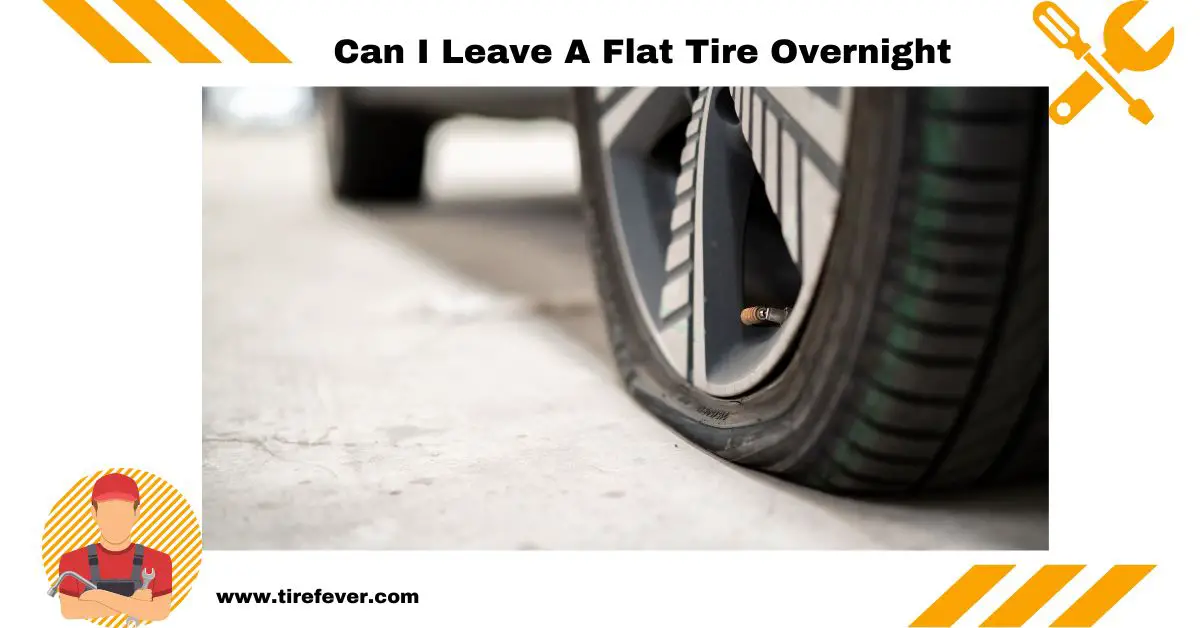
Flat tires can develop at any time when sharp objects like nails or broken bottles pierce your vehicle tires. Other causes of flat tires are collision with other vehicles, hitting potholes or ditches in the road, the activities of vandals, and so on. The most advisable thing immediately you get a flat tire is to jerk up the car and remove the punctured tire for repairs by tire specialists. However, for different reasons, this may not be possible. Sometimes, this is either due to the non-availability of required tools, lack of a spare tire or not having the necessary skills. Whatever the reasons may be, is it advisable for anyone to leave a flat tire overnight? So, can I leave a flat tire overnight? As much as possible, you should try to mend all punctured tires without delay. This you must do to prevent the disappointment that is associated with flat tires whether on the eve of journeys, on your way to work, and so on. Therefore, in order to guard against this, always have a spare tire handy. Where mending of the tire is not possible immediately, for whatever reason, you can alternatively jerk up the car on its chassis to make sure that the weight of the vehicle does not rest on the deflated tires throughout the night. When the weight rests on the tires for a long time, they are likely to develop weakened areas that may eventually cause the tires to wear prematurely. In conclusion, it is not advisable to allow flat tires to bear the weight of the vehicle overnight, unless where that is completely unavoidable. When this happens, be sure to make hurried efforts to mend the punctured tire without delay as soon as you get the chance. In addition, if you must leave the flat tire overnight, the vehicle must be parked in an enclosure or a garage to reduce the effect of the cold weather and the weight of the vehicle on the tires. (Read Also: Can I Use Tire Compressor For AirBrushing?Find Out) Pro Tips: If you must leave your flat tire overnight then it’s best that you jack up the side with the flat tire and put it on a jack stand/block. Here’s a detailed article on some of the Best Car Jacks/Stands currently selling hot on Amazon you might want to check out. Why Would A Tire Go Flat Overnight? A tire is liable to go flat overnight if it has been previously punctured during the day by any sharp object such as nails or broken bottles and the tire pressure is gradually lost during the night. When such happens, the reduction of air pressure is faster after it is parked at night. Read Also: How Do You Use The Acura Flat Tire Repair Kit? Another reason for this to happen is when the rims have been bent out of shape during the day which creates an avenue for pressure loss especially at night when the car is parked. Gradually, the entire tire pressure may be lost at night. Tires may also deflate at night after the car is parked when the air valve is damaged and the steady loss of air pressure at night may ultimately lead to complete tire deflation. Tires can also be deflated at night if the vehicle is parked on an uneven terrain that creates a gap between the rim and the tire for air to escape leading to the eventual flattening of the tire. Reduction in tire pressure is faster when the vehicle is parked at night much more than during the day when the vehicle is being driven. This steady pressure reduction manifests overnight through tire pressure reduction in parked vehicles. Trending Searches What Do You Do If You Have A Flat Tire At Night? Like at all other times, the first thing to do when you have a flat tire at night is to park the car at a safe location and if you can, proceed to remove the punctured tire after jerking the car up. Gradually, if you have a spare tire and all the tools necessary, you can change the punctured tire with the spare in no time and off you go. This is your first option if you have the skills and the tools for it. However, if you lack the skills or tools or maybe both, you are advised to reach out to tire repair workshops for attention to your tire, if it is not too late at night. If this is still not possible, get a towing truck to tow your vehicle to the closest tire repair workshop. Where all these are not possible, instead of leaving the car to rest throughout the night on deflated tires, you may jerk it up by the chassis to relieve the tires and proceed to repair the punctured tires the following day. As much as possible, always relieve punctured tires of bearing too much weight for a long period such as throughout the night. Excessive pressure on punctured tires for long periods damage them by making their fabric weak and encouraging flat-spotting as well. (Read Also: Can I Use Track Tires On The Street?Find Out Now) Will Leaving a Flat tire Overnight Damage The Rim? No, leaving a flat tire overnight for just one day does not constitute any danger to the rim except where the vehicle is driven on the said night, but if nothing of the sort happens, then there is really no risk to the rim. Some measures of risk from water may be suspected, in the event it rains during the night which may initiate metal corrosion. But even this condition, requires much longer than a day for it to take place. In a nutshell, leaving a flat tire overnight will not damage the rim, provided the car is not driven that night. How Can You Avoid Having A Flat Tire? There are several ways by which you can avoid having a flat tire, … Read more
Can I Leave My Car Parked With A Flat Tire?

Can I Leave My Car Parked With A Flat Tire

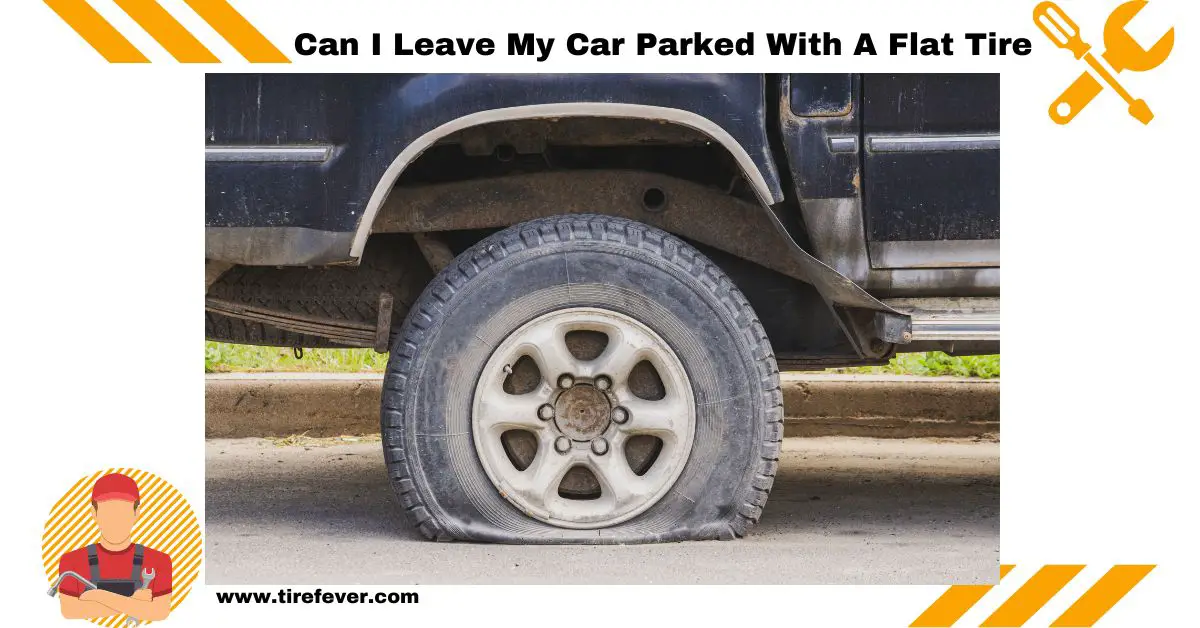
Tire mishaps have been implicated as the cause of more road traffic accidents and the resultant loss of lives and properties than accidents through all other means of transportation, whether on the land, sea or in the air! This is the singular and most important reason why tire maintenance and care should not at all be taken lightly. In addition, deflated or defective tires constitute a disturbance while driving by both being noisy and uncomfortable. We shall treat this issue of tire maintenance and care with the seriousness it deserves. (Read Also: Can I Use Tire Compressor For AirBrushing?Find Out) On whether you can leave your car packed with a flat tire or not, it requires that we look at all the possible consequences of doing so. To start with, as much as possible, guard against parking your cars or trucks with flat tires for long periods. (except when you jack up and let them rest on a jack stand. Check out this article on some of the Best Car Jacks/Stands currently selling hot on Amazon) When a vehicle with a flat tire is packed for too long, especially in the rains or cold weather, the tires are liable to develop weakened points, particularly where they are in contact with the ground. Firstly, when the vehicle cools and secondly, the weight of the vehicle rests squarely on the tires at those contact points. Eventually, these weakened points of contact with the ground will cause a bumpy sensation during driving and also become points from where the tires will later begin to get damaged. The weakness at these contact points become more severe where the temperature is very cold or the vehicle is left in the rains. So, Can i leave my car parked with a flat tire? No, you shouldn’t leave your car parked with a flat tire. Doing this will cause further damages to the affected tire(s). If you must do this, ensure that you jack up your car for the shortest period possible (24 hours at most) and get the tires fixed by your local mechanic as soon as possible. Make sure to make good use of jack stands when jacking up the car overnight. Additionally, ensure the car is parked in a secure environment – free from rain and other harsh conditions. Trending Searches Are There Any Negative Impacts Of Parking A car With A Flat Tire? Yes, there are certainly. First, the tires will become susceptible to tearing easily, particularly at certain weakened areas of the tires that bear the weight of the vehicle, and secondly, the rims of the tires may rust and become weakened too, especially where the vehicle is left in the rains or the scorching heat of the sun. Tires that are weak at some points are causative to bumpy rides and are also likely to burst open leading to serious accidents and loss of lives. In essence, fix all damaged or punctured tires, as soon as you get the chance, in order to prevent any hard luck stories when it might be too late. How Long Can A Car Sit Before Tires Get Flat Spots? Before we answer the question, it is good for us to know what a flat spot is. A flat spot is defined as the most badly damaged or worn-out section of a tire. There isn’t any definitive answer to the topic question as such, but generally speaking, most tires do not develop any flat spots just because they have been packed for a couple of days and more so when the weather conditions are favorable. Having said that, it is therefore obvious that tires commonly develop flat spots where vehicles are packed for several days or months, and it is for this same reason that flat spots are classified as either temporary or semi-permanent. The temporary kind of flat stop reverses itself after driving the vehicle for only a few minutes while the semi-permanent one requires more attention to reverse, where possible. (Read Also: Can I Use Track Tires On The Street?Find Out Now) Do Modern Tires Get Flat Spots? In fact, modern tires are the most prone to developing flat spots than other tires! This is much because high-performance or more expensive tires are designed for extra flexibility and consequently, they flatten more easily when the vehicles are parked they also have wider footprints, which make them pick up temperature variations on the road faster than other tires. Additionally, they are stiffer and also have shorter sidewalls that do not bulge much under heavyweights, which implies that their treads on the bottom of the tires flatten out more on the road. Through all these qualities, they essentially become tires that hang onto the roads and are more responsive at corners, even at high speeds. These properties render them more vulnerable to flat spots than other less expensive tires. Essentially, therefore, modern tires get more flat spots than all others. Why Do Tires Get Flat Spots? Tires get flat spots when they are parked for prolonged periods, particularly in the cold, due to the weight of the vehicle pressing on them the entire time. This makes the tires to spread out a little and flatten a bit at the points where they touch the road. The rubber of the tires thus stiffens as a result and hence flat spots develop in them. In addition to all the above causes of flat-spotting, tires can equally get flat spots in cases where they settle into a flattened shape when parked for long periods, as well as when they skid frequently during harsh braking. Flat spots are also easy to develop in tires when a minor flat spot from a previous incident gets worsened over time. The good thing is that temporary spotting can be sorted out by just driving on the tires for a short time. (Read Also: Will Snow Chains Damage Rims?Find Out NOw) How Do You Prevent Flat Spots On Tires? There are several ways … Read more

Can Broken Glass Cause A Flat Tire?

Can Broken Glass Cause A Flat Tire

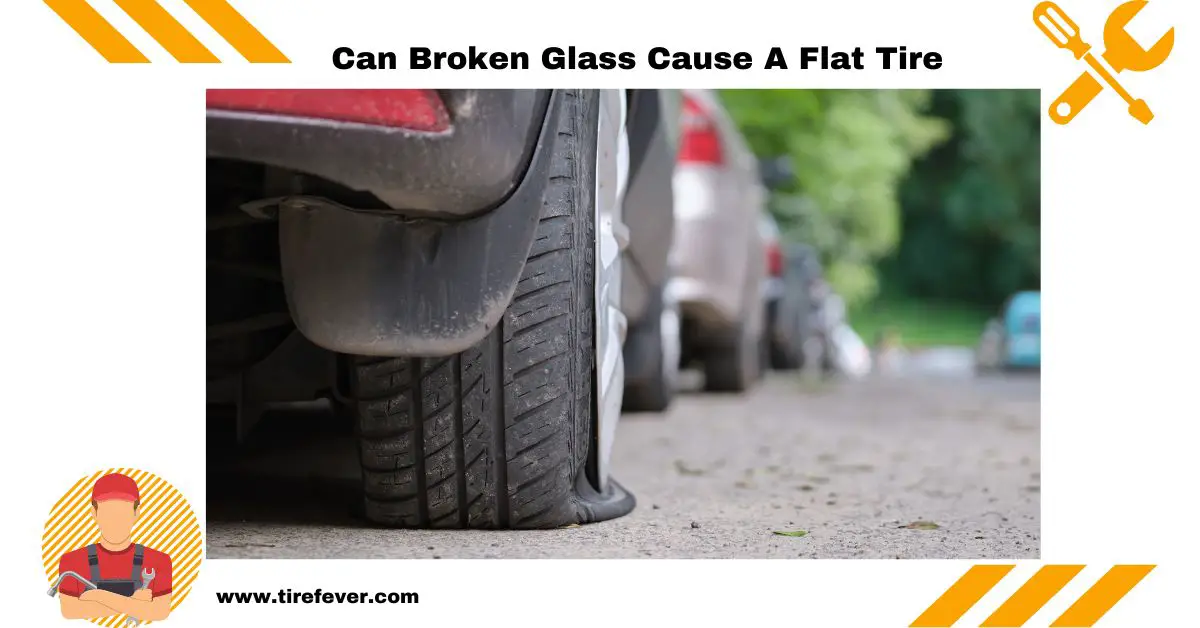
For all categories of road users, a tire puncture is a dreaded occurrence, particularly when it occurs in unfavorable locations or at inconvenient times. In such cases, the puncture just becomes a part of a larger problem. But, will driving over glass cause a flat tire? Running over glass is not recommended due to how dangerous it can be to your car tires. This next section covers the impact of broken glass on your car tires. We, therefore, need to give this issue all the attention it deserves. So, can broken glass cause a flat tire? Yes and no. It might seem surprising, but let me expound on this. No, because the broken glass may not puncture the tire in the case of steel-belted tires. They may only tear the rubber fabric but not cause significant damage to the steel belts inside the tire. This though depends on the strength and type of glass. Pieces of glass from windshields and rear lights or headlights, at scenes of accidents, may not puncture tires as such, but broken bottles on debris heaps with very sharp edges can. The tires so injured by broken bottles may continue to function quite well, but there is a downside to the story. With time, this tire previously injured by broken glass may accumulate dirt and moisture at the affected site. This moisture and dirt will predispose the steel wires in the tire to corrosion. Eventually, the wires may be forced to separate from the rubber thereby leading to tire damage. Now, I hope you understand why the answer to this query is a bit complex (both a yes and a no). To sum it up, certain types of broken glass may not puncture the tire right away but do so eventually. This is because the weakened tire (tire driven over broken glass) may fail due to gradual degradation caused by other factors such as dirt and moisture that might have accumulated inside the tire. Read Also: Can You Get A Flat Tire From Running Over A Porcupine? Can Glass Puncture A Tire? So, can glass puncture a tire? Yes, glass can puncture a tire, especially if it’s drive over broken glass. The sort of damage your tire will experience will depend on the position at which you drive over the shattered glass as well as how hard and solid the glass is. The below table shows the different types of glass and their likelihood of causing a flat tire as per our research. But, you could be wondering, can glass cut tires? Yes, glass can cut tires and could also lead to you experiencing a tire puncture. We’ve all experienced some chunks of tires on the road – some of this are due to driving over pieces of shattered glass. How about broken glass? Can broken glass puncture a tire? Shattered glass can definitely puncture cars and if not could damage your tires significantly – this could later lead to a flat tire. It’s due to this that, you should always avoid to drive over broken glass as much as possible. You should also not park your car over broken glass, as this can mess up your tire quite significantly. Can Glass Pop a Tire? Can glass pop a car tire? Yes, running over glass can pop a tire, especially if driving over broken glass. Driving over glass will lead to a puncture. The impact on your tires will depend on the angle at which you drive over the broken glass. This can lead to glass in tires – shattered glass getting stuck in your tires. This will lead to a flat tire. So, to the question, can broken glass pop a tire? Yes, it can. Broken glass can definitely pop a tire. It’s advised to never run over glass or broken glass as this can pop your tire and lead to a puncture. Below is a table that covers other ways of avoiding getting a flat tire from broken glass. In summary, if you still wondering; can glass pop a tire? The short answer is definitely yes. Take the above precautions to prevent getting a flat tire from broken glass. What Can Puncture Tire? There are many things that can puncture a tire such as sharp objects like nails or broken glass, collisions with other vehicles or tough objects, and various road hazards. By road hazards, we are talking about potholes on the roads, uneven road surfaces, and other hard objects that may find themselves on the roads, however inadvertently. We must not fail to mention one other thing that is implicated in causing tire punctures, much like all the others, and that is careless reckless driving. Drive carefully, within speed limits, and avoid arbitrary application of the brakes. All these factors are very complicit in causing tire punctures, so, avoid them as much as possible always. Trending Searches What Do You Do If You Run Over Glass? If you happen to run over broken glasses and you suspect that your tires may be affected, park at a safe place and inspect them carefully. Chances are you might not see anything on casual inspection, particularly if you are not a specialist. However, to be doubly sure and also to prevent further aggravation of the problem and likely resultant headache, drive to the nearest tire specialists and get them to give the car a careful inspection. In the event of damage or injury to any of the tires, get them to patch up the place or places right away. With tires, you can never be too careful, and rightly so too. Can Driving over a Glass Bottle Pop Your Tire Driving over a glass bottle will definitely shatter the glass bottle into a number of small pieces. But will it pop your tire? Will doing this damage your tire? No, driving over a glass bottle is unlikely to cause a blowout in a steel-belted radial tire, but it can definitely damage the tire. This can … Read more

Do New Wheel Bearings Need To Break In?

Do New Wheel Bearings Need To Break In?

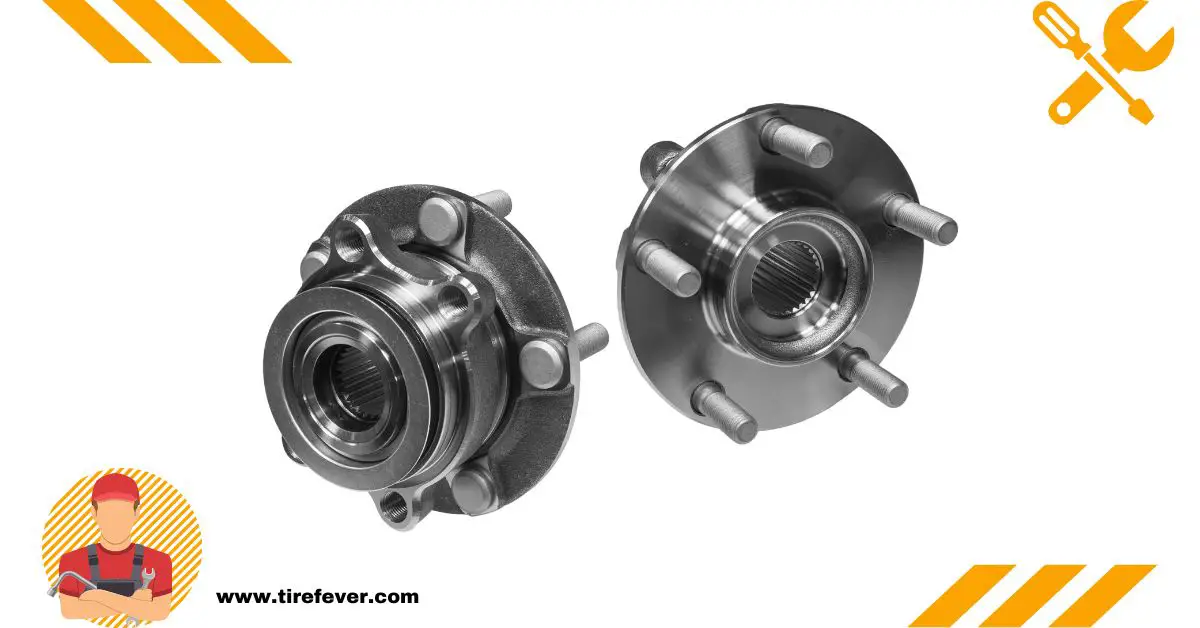
Are you planning to install new wheel bearings on your car and you are wondering whether they need to be broken in? If yes, then you have come to the right place. A wheel bearing is a set of balls or tapers held together by a metal ring. They are a crucial part of the wheel assembly that connects that wheel and the axle. Wheel bearings enable the wheel to rotate smoothly with minimum friction. When damaged, they may cause the wheel to stop while driving thus putting your safety and that of other motorists at risk. More so, a damaged wheel bearing usually puts a lot of stress on the CV joint, the hub, and the transmission. That is why it is important to replace a bad wheel bearing on time. Some mechanics usually recommended that you should break in a new wheel bearing to polish the raceways and extend the bearing maintenance cycle. But, do new wheel bearings need to be broken in? Continue reading to find out. Do New Wheel Bearings Need to Break In? YES, a new wheel bearing needs to break in. Wheel bearing break-in refers to the period of adjustment between the bearings and the surface that they rub. This procedure helps to give the bearings time to adjust and operate evenly after installation. It ensures that the bearings are not put under excess stress early on during operation.  Breaking in a new wheel bearing helps to ensure that they are well-conditioned. The break-in period gives the wheel bearing crucial time to adjust for optimal performance and longevity. It allows the bearings to be well lubricated to minimize friction during operation. It also allows the bearing to sit correctly thus preventing uneven wear. A proper wheel bearing break-in will: How Long Does it Take to Break in Bearings? There is no set amount of time that wheel bearings take to break in. This is because many factors determine how long it takes for bearings to break in. Some of these factors include; driving conditions, type of bearing, lube application, car model, how much time you spend behind the wheels, and much more. Some wheel bearings may take a shorter period to break in (a few hours) while others take long (more than a week) before they break in.  But on average, it takes about 3 days for wheel bearings to break in. If you want your wheel bearings to break in within a short period of time, ensure that you lubricate them well. Proper placement of lubrication will reduce excessive friction and resistance. It will also ensure that the bearings sit in the right place and spin them fast and for a longer period thus reducing the break-in time. What Happens if You Don’t Break in New Wheel Bearings? Proper break-in of wheel bearings helps to prevent premature wear. So, if you don’t break in the new wheel bearings, they will wear out fast, meaning they will not last for long. And, because new wheel bearings are not well conditioned, they will put a lot of stress on the CV joint, the hub, and the transmission. Other issues that can occur when you don’t break in new wheel bearings include ABS and braking issues, seal leakage, and wheel wobbling. Do You Need to Lube New Bearings? YES, you need to lube new bearings. Lube not only helps the wheels to spin easily but also protects the bearings from water and other road contaminants. As pointed out earlier, wheel bearings are a very important safety feature in your car. If they are not well lubricated, they will wear out quickly and over time fail to perform their job properly. Wheel bearing lubrication is vital in preserving their lifespan and performance. A suitable lube should be applied on the wheel bearings, the housing, and the wheel end inside the surface where the bearings sit. This will help to prevent wear and tear, friction, and corrosion.  Most wheel bearings are usually lubricated from the factory. However, you should inspect them again before installing them and lube them again if you spot any sign of contamination like water or dust. Proper lubrication will also help the bearings to sit properly on the raceway for smooth operation. Conclusion Do new wheel bearings need to be broken in? YES, they need to be broken in. This crucial process will not only help to enhance their performance and longevity but will also promote your safety. Wheel bearing break-in is a crucial procedure that should be done to give the bearing much-needed time to adjust and perform efficiently thereafter.

How To Lower a Floor Jack [Essential Tips & Techniques]

How To Lower a Floor Jack

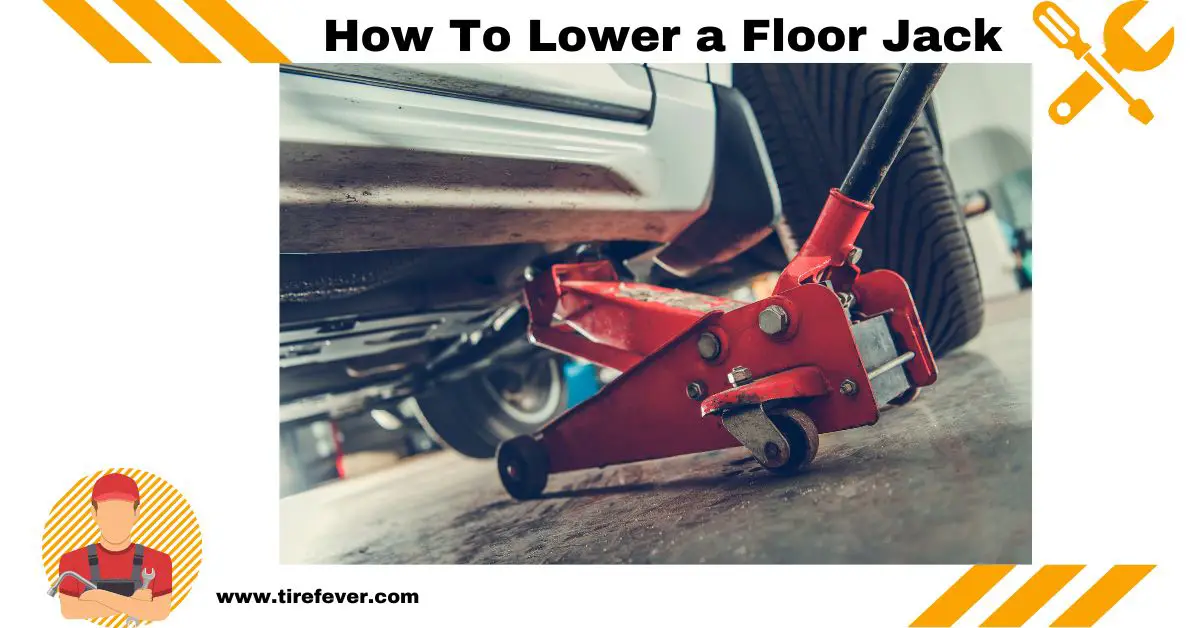
If you are planning on handling any car maintenance or repair, especially changing the tires, you will eventually need to use a car jack. This useful tool helps to lift, hold and lower your car allowing you to change the tire, check the brakes, and much more. To prevent any injuries or damage to your car, it’s important to learn how to properly operate your car jack. Want to know how to lower the jack safely? Keep reading! Preparing to Lower the Jack Gather Necessary Tools and Equipment There are three common types of car jack namely bottle, scissor, and floor/trolley. Each carjack can help you raise or lower your car before making a tire change. Besides the car jack, you’ll also need a jack stand, or wheel crib and rods. Clear and Secure the Area Start by removing any tools or the toolbox followed by the flat tire. Place the flat tire in the boot of your car for repairs later. Then inspect the ground area to ensure that there are no obstacles before you lower your vehicle. Position the Jack Correctly Before you lower the car jack, position it correctly. This provides extra protection against your vehicle falling and seriously injuring yourself. This is especially true when using a mechanical car jack as it can pop up and kick when the car is lifted. Remember, a car jack is a useful and extremely safe tool but you must use it correctly. Lowering the Jack Release the Jack Handle Slowly and Carefully If using the hydraulic floor or trolley car jack or bottle jack, locate the release valve or the screw key. Place the rod over the screw and slowly turn it counterclockwise. As you turn the rod, the valve will slowly open and the car jack will drop. If using the scissor car jack, place the rod onto the screw key then turn it in the opposite direction. Once you do so, the car jack will lower accordingly. Allow the Jack to Lower Gradually, Using the Handle to Control the Descent As you lower the car jack, use the handle to control the rate of descent of the car. If people were helping you raise or repair the car, it’s recommended to say “clear” loudly before you lower the jack. This is a safety measure that alerts others of what you’re about to do. Stop Lowering the Jack When It Reaches the Desired Height Once the car tire touches the ground, stop lowering the jack. Once you do so, get the jack out from under the car. If using the hydraulic car jack, push down on the saddle. This will manually lower the piston. If the threaded saddle is already raised, turn it clockwise. Do so until it reaches the base of the bottle head. Storing the Jack Clean the Jack and Handle Thoroughly Since the car jack is already exposed to grease, your jack will act like a magnet for dirt and dust. To keep it clean, take a clean cloth and wipe the surfaces down. Then, wipe down with a lightly oiled cloth. Once a year, give your car jack a thorough cleaning. This will help remove any buildup. Secure the Handle in the Proper Storage Position Once you wipe down and clean your car jack, release the pressure in the cylinder. This will alleviate stress on the jack. When storing your car jack, secure the handle in the proper storage position. Then store the car back in the upright position. This will prevent hydraulic oil from leaking. Store the Jack in a Dry, Secure Location If using the bottle or scissor car jack, you can store it in the trunk of your car or your SUV’s way back under the cargo floor cover. But, if using the hydraulic floor or trolley jack, store it in a dry and secure location in your garage. Tips for Safely Lifting Heavy Loads With a Floor Jack List of Common Mistakes to Avoid When Using a Floor Jack To ensure no accidents or injuries when lifting or lowering your car jack, follow the tips above and avoid mistakes. Conclusion – How To Lower a Floor Jack Safely lowering the jack is an important part of car maintenance and using a jack. To lower your car jack safely, release the jack handle carefully and slowly then allow it to lower gradually. Do not hurry the process. Use the handle to control the jack’s descent and once you reach the desired height, remove the jack, clean and store it in a dry secure location. To avoid any injuries or damage to your car, always follow the manufacturer’s instructions accompanying your car jack. This will ensure the safe use of your car jack.